PHOTO
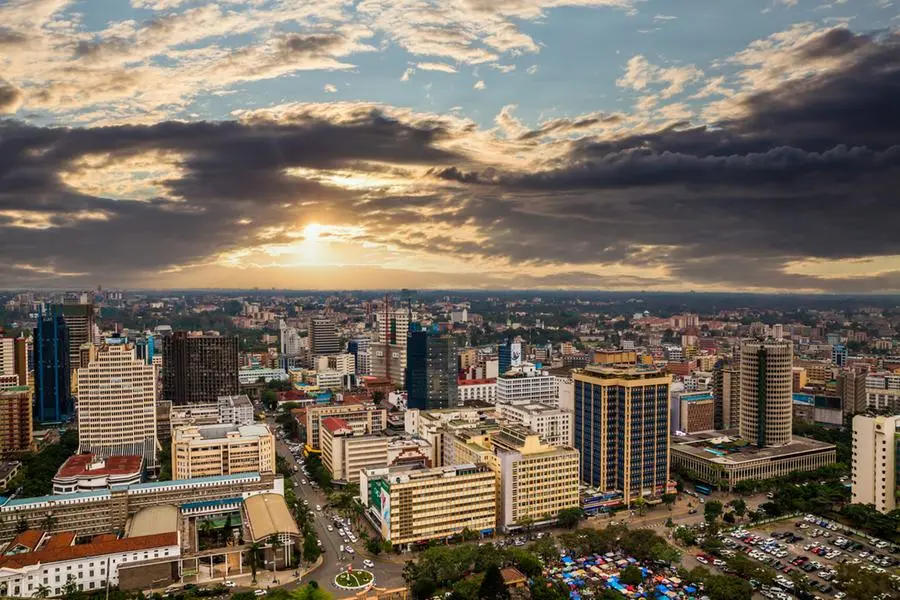
Kenya’s once-vibrant healthtech sector is showing signs of distress as venture and aid funding dries up, forcing startups in the industry to scale down, shut down or pivot to survival mode.
Once-promising firms like Antara Health and Ilara Health, both of which have been running novel tech-enabled healthcare solutions in the country, have recently announced restructuring plans, highlighting a broader funding squeeze that has left may digital health start-ups struggling to sustain their pulse.
Healthtech start-ups have traditionally attracted very little of international and local venture capital (VC) funding, leaving them heavily reliant on aid and development finance investments to thrive.
In the first half of the year, such companies only netted five percent of the $1.2 billion in VC funding attracted by African startups, a decline from last year’s six percent and lower than the eight percent average between 2020 and 2023.
Aid funding, which has often offered a lifeline to such startups across Africa, has also been declining, and is expected to drop by up to 17 percent by the end of the year, according to a recent report by the Organisation for Economic Co‑operation and Development (OECD).
The impact has been stark and harsh for digital health startups in Kenya.
In September, Antara Health, which had built a reputation for telemedicine services and virtual primary healthcare in Kenya, quietly laid off all of its staff, bringing to an end what was projected to be a revolutionary era for primary healthcare and insurance in the country.
The firm – owned by American technology company Antara Inc – was working with insurers to help manage the healthcare of policy-holders through virtual consulting services and health risk management.
A spokesperson for Antara Health told The EastAfrican that the firm decided to close down its Kenya operations because the growth was very slow and investors chose not to pump more money into it.“The company was making money but it had not yet broken even. Its biggest clients also felt that the costs of the services were getting too high and wanted to scale back, which it couldn’t afford,” they told The EastAfrican in a phone interview.
Antara had raised $2 million in 2021 in a seed funding round led by American VC firm MaC Venture Capital to scale its operations across Kenya. Its model involved working with insurance companies’ policyholders to manage their health at a fee of Ksh500 ($3.87) per client per month, in turn helping improve health outcomes for users and cutting claims costs for insurers.“No one in the Kenyan market has been able to do what we were trying to do. But the clients really loved our services and I just wish the Americans had more money to invest in the services,” the spokesperson said.
Ilara Health, a venture-backed company which has been digitising primary health facilities’ operations in Kenya, has also announced that it is “reviewing and restructuring” its operations due to an unprecedented funding drought.
Read: Kenya is Africa’s start-up funding top destination“Due to current market conditions and financing dynamics, including a reversal of funding commitments and delays in disbursements, the company expects that its current headcount will be reduced significantly, ensuring service continuity for clinics and patients,” a spokesperson said in a statement.
Ilara has so far raised a total of $10.8 million from several investors and donors, including the latest one from the United States Development Finance Corporation (DFC), signed in January. It is, however, unclear if this funding commitment was fulfilled or reversed with the recent changes in the US.
It had previously attracted investments and funding from the Bill and Melinda Gates Foundation, Dutch private equity firm DOB Equity, TLcom Capital Partners, Untapped Global and Shaka Ventures.“Without reliable cash trajectories, even promising ventures struggle to survive their interim years,” wrote technology commentator Jesutofunmi Adedoyin in pan-African tech publication Condia in a commentary published this week.“In 2024, healthtech investments in Africa saw a decline; many startups failed to secure follow-on funding, often surviving on grants, impact capital or one-off deals.”But Adedoyin argues that the woes bedevilling Africa’s healthtechs stretch beyond financing challenges. Their very model of business which hinge on parternships and goodwill from the government makes it hard for them to scale, he argues.“Unlike fintech, with its rapid transactions and network effects, healthtech depends heavily on partnerships with hospitals, pharmacies, or government institutions; a slower, more complex process,” argues Adedoyin.
© Copyright 2022 Nation Media Group. All Rights Reserved. Provided by SyndiGate Media Inc. (Syndigate.info).