PHOTO
The wave of recent interest rate hikes in advanced economies to reduce high inflation have curbed investor risk appetite in Africa, Moody’s said.
This has reduced flows of foreign currency into the continent, with a knock-on impact for banks on the continent, it said in a new research report on Friday.
At the same time, weakening local currencies and the lingering effects of the COVID-19 pandemic on supply chains are making things worse, Moody's said.
Flows of foreign currency into the continent are therefore down to a trickle as a result of the rate increases.
"The eurobond market has largely dried up as aggressive rate hikes have made previously affordable debt more costly and many African economies are effectively priced out of the eurobond market," Ighosime Oyofo, AVP-Analyst at Moody’s said in the report.
"Aggressive rate hikes in developed economies, as well as the spillover effects of the Russia-Ukraine war on emerging economies, have meant investors are shunning riskier assets and seeking attractive yields in more mature markets."
Very few African sovereigns, including Angola, Egypt, Nigeria, Morocco and South Africa have issued eurobonds in the last 18 months, though some have been able to conduct successful loan syndications, Moody's said.
The Bank of England on Thursday hiked its key interest rate to a 15-year high of 5.25%, its 14th consecutive increase, which follows decisions by the Federal Reserve of the United States and the European Central Bank.
Separately, the International Monetary Fund has said the higher-for-longer US interest rates has put pressure on African currencies, making the fight to curb inflation harder given the region’s dependence on imports.
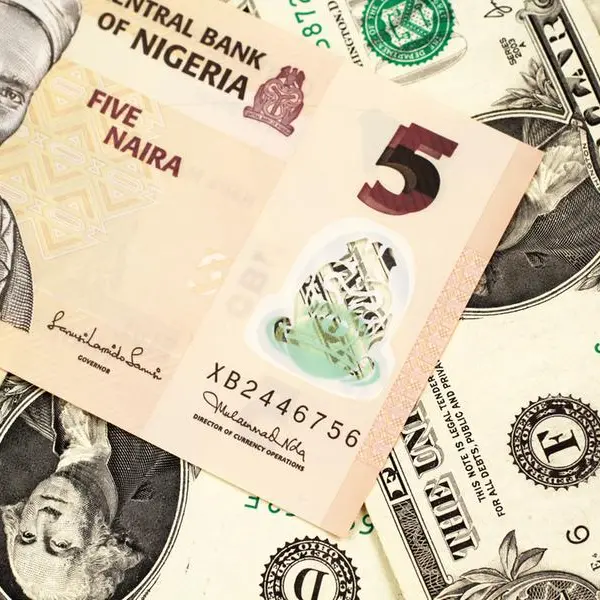
Moody's said dollar shortages in import-dependent economies - such as Nigeria, where many importers and manufacturers are unable to access all their foreign exchange needs - are making difficult operating conditions worse.
Some central banks are rationing foreign currency.
"However this creates significant disparities between official and parallel market exchange rates, as has been the case in Nigeria," Oyofo said.
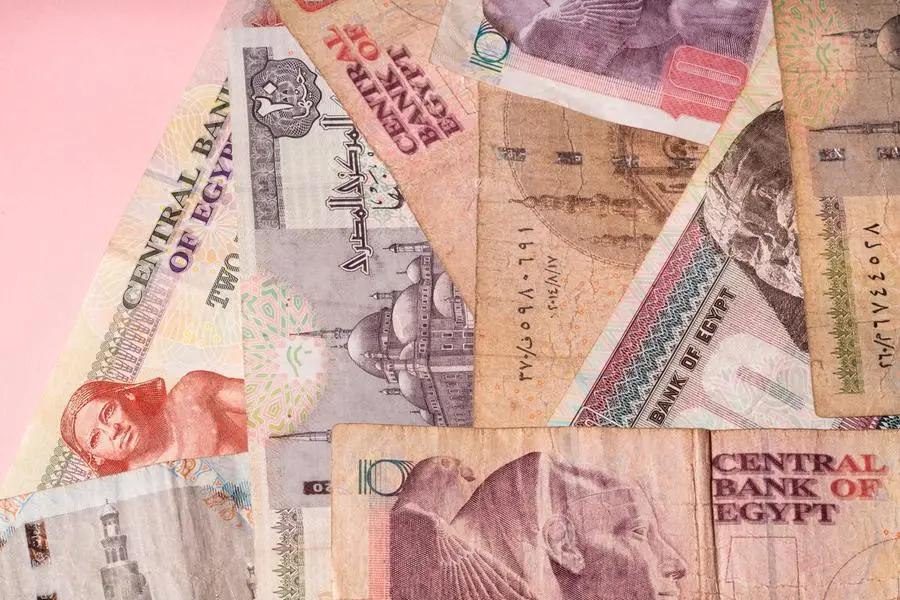
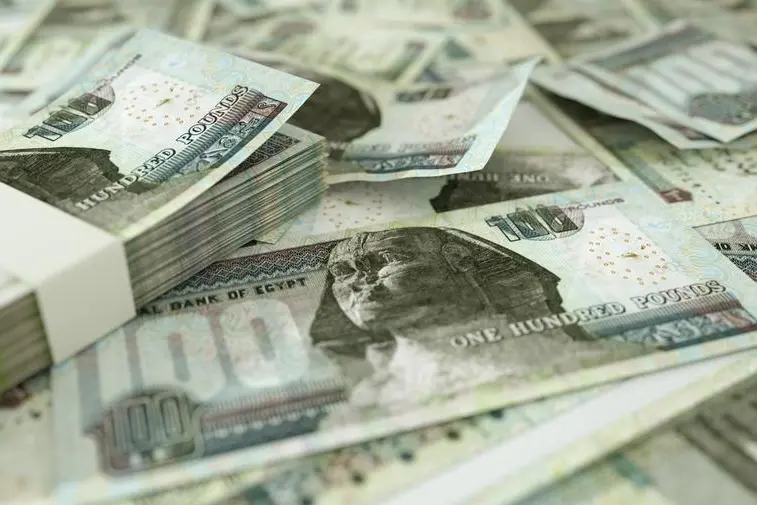
The sharp local currency depreciation in Egypt, Nigeria and Kenya so far this year, has raised debt repayment and also pressures banks by eroding their capital buffers, Moody's said.
Nigeria, Ghana, Angola, and Democratic Republic of the Congo rely on foreign exchange revenue from export commodities and price declines in the international markets have weakened government revenues.
"Risks are particularly pronounced in Egypt (B3 review for downgrade), where some banks have substantial FX (foreign exchange) liabilities," Moody's analyst Oyofo said. "Banks in Kenya (B3 negative) are also vulnerable."
(Editing by Seban Scaria seban.scaria@lseg.com)