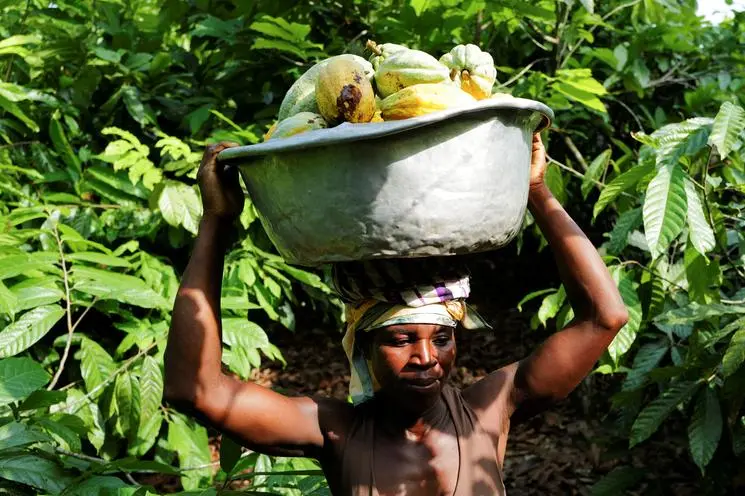
PHOTO
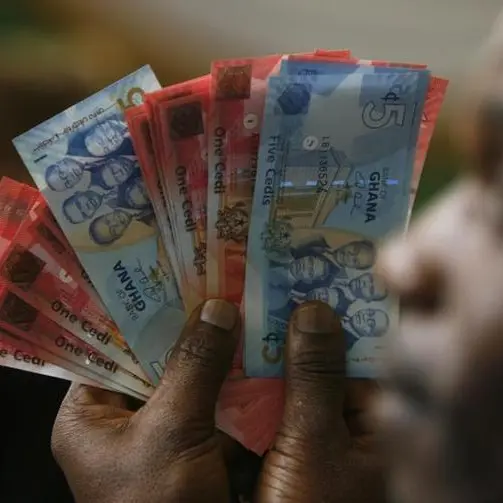
Ghana's cocoa regulator COCOBOD is open to other financing options including a return to international syndicated loans after a self-financing experiment left farmers unpaid and exposed weaknesses in the world’s second-largest cocoa producer.
The regulator used loans from international banks to finance bean purchases from farmers and shore up its reserves before opting for a new funding model in 2024 that required global traders to pay upfront for part of the cocoa bean shipments.
Weak global demand and a drop in prices to two-year lows have, however, meant that this season, global traders have been reluctant to make large upfront payments, leading to a build-up in unsold cocoa in the country.
The failure of some farmers to be paid for their cocoa also puts investment in next year's harvest at risk.
Jerome Sam, director of communications at COCOBOD, told Reuters the decision to abandon the over three-decade-old syndicated loan model created problems for the regulator, particularly around maintaining liquidity for licensed companies that purchase cocoa from farmers.
ROCKY TRANSITION TO NEW FINANCING MODEL
COCOBOD stopped raising its annual pre-export syndicated loan for the 2024/25 crop season for the first time since 1992, and the transition to the new model has been rocky.
"If we had the syndicated money, we would have money that we could have used as seed funding," he said, adding that without upfront capital, the market has become increasingly dependent on major offtakers who effectively dictate terms.
Sam defended debt financing through the loan as a viable solution if proceeds generate sufficient returns to cover principal, interest and profit.
"It is only when you are unable to pay back, that is where you would have to check your activities," he added.
The move away from syndicated loans came after COCOBOD faced mounting borrowing costs, with the regulator paying more than $150 million as interest on the facility for the 2023/24 crop season.
Addressing the payment delays to farmers, the COCOBOD official acknowledged the severity of the situation while emphasizing efforts to resolve it.
"This is not something that is new but it’s also not something that we are normalizing."
"We need to find solutions to deal with this because the farmers are the most important stakeholders in the value chain so anything that concerns them is our priority."
COCOBOD is in talks with Ghana’s finance ministry to address the payment crisis, Sam said.
(Reporting by Emmanuel Bruce; Editing by Anait Miridzhanian and Bernadette Baum)