PHOTO
NAIROBI - Senegal, Mozambique and Malawi could default on their debts in the next two years, Citi's Chief Africa Economist David Cowan said on Thursday, as governments reel from the impact of the Iran oil price shock on their finances and economies. Since 2020, the 54-nation continent has experienced four sovereign defaults that were restructuring debt under the G20 initiative - Ghana, Zambia, Ethiopia and Chad - with countries buckling under a mix of heavy debt burdens and economic mismanagement exacerbated by external shocks from the COVID-19 pandemic to Russia's full-scale invasion of Ukraine.
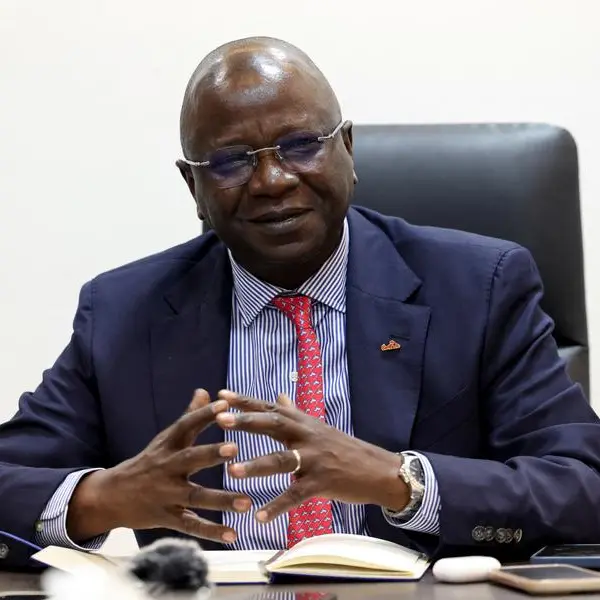
"Africa is still not entirely out of the woods yet in terms of the debt defaults," David Cowan told a news briefing.
Senegal, which has been seeking to steer its way out of a hidden debt crisis uncovered in late 2024, was still in "a pretty big mess," he said, meaning they could head into a default in 2027 after scraping through this year.
Malawi and Mozambique could default this year, Cowan said, citing a steep weakening of their respective currencies, which could push their debt stocks and payments due on hard-currency lending into unsustainable territory.
Defaults by the two Southern African nations could however be resolved quickly since Malawi does not have international bonds, while Mozambique has only one outstanding hard-currency bond.
"Malawi's debt is largely owed to the World Bank, multilateral and bilateral donors," he said. Overall, Africa is faring better in terms of international borrowing costs in the Iran war-linked crisis compared with previous ones, Cowan said, citing the Democratic Republic of the Congo's debut Eurobond issuance.
Kenya could let its currency weaken to absorb some of the depreciation pressure stemming from elevated prices of crude oil, Cowan said.