PHOTO
Plans are under way by East African countries to pool pension resources together to finance infrastructure projects whose international funding is now waning.
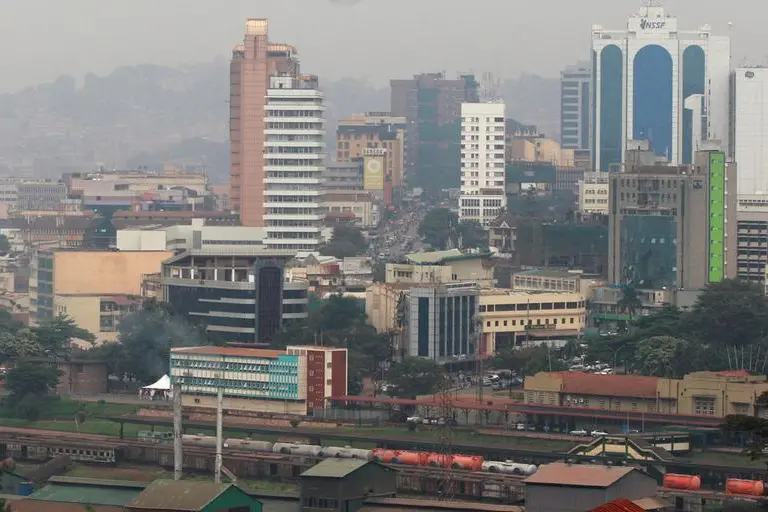
The three-day All Africa Pension Summit (AAPS) 2025, which kicked off last week at the Speke Resort Munyonyo Conference Centre in Kampala, Uganda, served as a crucial platform to address Africa’s soaring infrastructure needs and the staggering $1.3 trillion annual financing gap, according to the African Development Bank (AFDB).
The conference with the theme; ‘Africa must quickly mobilise the capital that is already within its reach; its pension funds” is being held at a time when global development finance is waning and debt burdens are rising,The plans include the eight East African partner states of Kenya, Uganda, Tanzania, Rwanda, Burundi, South Sudan and the Democratic Republic of Congo pooling their pension assets estimated at $400 billion together to create funding options for infrastructure and other development needs.“The pensions you manage represent the hard-earned security of our parents, our workers and our future generations. But what legacy are we truly building if these funds are merely held in reserve, or worse, empower economies far from our own?” Betty Amongi Ongom, the Ugandan Minister of Gender, Labour and Social Development asked.
The Minister highlighted tangible examples of African pension funds already leading this transformation, showcasing that sovereign investment is financially viable and socially impactful.
She revealed that in South Africa, the Government Employees Pension Fund (GEPF) is managing approximately $1 billion towards renewable energy projects that not only enhance public services but also create jobs.
In Nigeria, the National Pension Commission (PenCom) is harnessing the strength of pension funds, approving $2.5 billion for investment in infrastructure projects critical to the nation’s development.
The Kenya Pension Fund Investment Consortium (KEPIC) has channeled $1 billion into agricultural development, energy, and affordable housing, offering hope and support in sectors that feed and shelter the people.
In Uganda, the National Social Security Fund (NSSF) is leading by example, managing approximately $1.4 billion in local infrastructure projects.“These investments are not just numbers on a balance sheet; they are bricks in a wall that shelters families, schools that educate our children, and roads that connect communities,” the Minister asserted.
She observed that the world is changing. The old models of development, reliant on external capital and often dictated by external interests, are proving insufficient, saying that the greatest risk is not in investing in Africa’s own potential, but in failing to do so.
The central theme of her address was the urgent need to redirect this massive domestic capital to finance essential socio-economic infrastructure, thereby breaking the continent’s crippling cycle of debt and dependency on foreign financial institutions.
The process to use pension funds for development includes enactment of legal structures, financing vehicles and addressing risk measures to ensure the funds are used for the purposes they were intended for.“Africa’s heavy reliance on internal and external borrowing to bridge the financing gap is creating a debilitating debt burden, which limits resources for essential social services and economic development,” said Patrick Ayota, the Managing Director of the National Social Security Fund (NSSF) Uganda.
This must be done without impacting negatively on the immediate beneficiaries of the funds, the contributors.”He observed that Africa requires funds for infrastructure development but unfortunately Africa’s credit worth is waning.“Despite Africa having one of the lowest global default rates (around 1.4 percent), the cost of capital across Sub-Saharan Africa remains disproportionately high, averaging between 8 and 9 percent. This is in contrast with regions like Asia, which enjoy rates as low as 4 to 5 percent, accelerating their development and investment,” said Ayota.“This difference highlights a deep market imbalance. Despite Africa’s growing creditworthiness, our economies still pay a significant premium to access financing. It’s time we address this structural challenge and build a fairer, more enabling financial landscape for Africa’s development.”
© Copyright 2022 Nation Media Group. All Rights Reserved. Provided by SyndiGate Media Inc. (Syndigate.info).