PHOTO
East Africa’s leaders are promising sweeping economic, political and security measures this year, marking a break from the problems that beset the region last year.
In their New Year addresses, presidents presented ambitious plans aimed at calming a restless youth population grappling with unemployment and, for leaders such as Yoweri Museveni, who is heading into a general election in two weeks, offering a scorecard of their performance over the past year.
“2026 marks the moment when our journey to transform Kenya into a first-world economy begins in earnest,” he said from his home city of Eldoret in the North Rift region.
“We are committing to a measurable mission to cut the number of Kenyans living below the poverty line by half… to cut unemployment by half, ensuring that millions of citizens are productive.”The President noted that four in every 10 people live below the poverty line. “That is more than 20 million people – families working hard, yet struggling to meet basic needs.”The two planned funds, expected to hold Ksh5 trillion ($38 billion), are intended to finance development projects while reducing reliance on borrowing and further taxation of an already strained population.
Tee Ngugi: We’re heading to Singapore indeed!In Uganda, President Yoweri Museveni struck a triumphant tone with what he described as a “spectacular” economic scorecard as he continued to campaign for the January 15 elections under the National Resistance Movement banner.
Speaking at the Nakasero State Lodge, President Museveni said: “The economy is robust, the majority of the population are happy, the country is peaceful, and our armed forces are at their strongest. By June 2026, the size of the economy will be $68.4 billion, GDP per capita will be $1,399, meaning that Uganda is firmly in the lower-middle income status.”He cited coffee exports, tourism and the knowledge economy—including the manufacture of electric vehicles and computers—as key growth sectors. He said export earnings had exceeded the import bill of $11.03 billion, with exports bringing in $13.4 billion.
The veteran leader, however, acknowledged persistent socioeconomic challenges.“We still have poor people, unemployed graduates, we still have some bad roads because of underbudgeting for them and earned corruption. However, all these will be resolved – we have already moved 70 percent of homesteads into the money economy,” he said.
Acknowledging the role of young people in national development, he said: “It is your task, as young Rwandans, to sustain what we have built and take it further. I hope you have prepared for that duty, including when it may require sacrifices from us individually and collectively.”He also addressed security challenges in Rwanda and the wider region, thanking the United States for facilitating the Washington Accords aimed at restoring peace in eastern Congo.“I thank the United States and Qatar, alongside African institutions, for supporting this peace process. It is a critical step toward addressing the root causes of conflict in eastern DR Congo and restoring regional stability. Rwanda is fully committed to implementing this agreement… Any threat to the peace and security of our people is unacceptable. The threat of state-supported violent extremism is unfortunately still very real,” he said.
She pledged to pursue national reconciliation, address chronic water shortages and press ahead with stalled development projects.
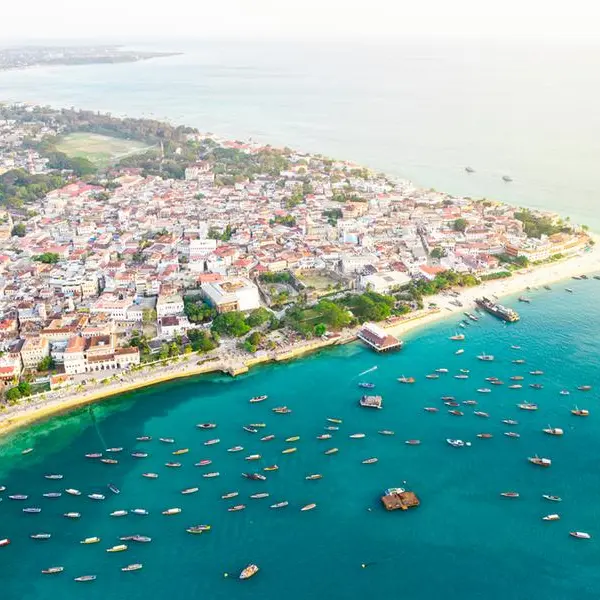
Speaking from Zanzibar, President Samia said the economy had grown by 5.8 percent, inflation had been contained and public debt remained sustainable.
She said implementation of Vision 2050—an ambitious development blueprint that places youth at its centre—would begin in earnest this year.“As we enter 2026, and start implementation of Vision 2050, our aim is a Tanzania with a strong economy and good life for all,” she said.
© Copyright 2022 Nation Media Group. All Rights Reserved. Provided by SyndiGate Media Inc. (Syndigate.info).