PHOTO
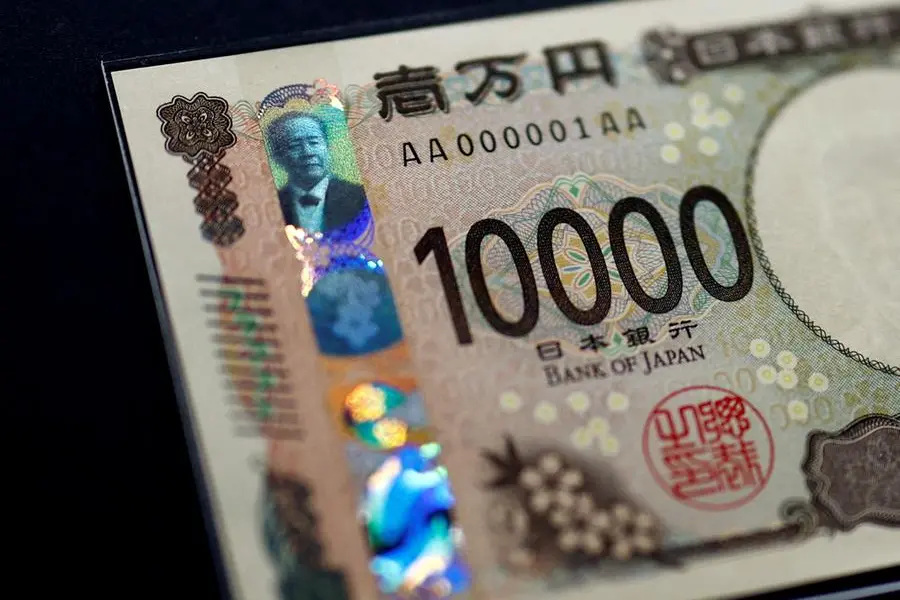
TOKYO - Benchmark Japanese government bonds (JGBs) gained on Tuesday in the final trading day of a year that has seen the sharpest jump in yields in three decades on concerns about the nation's finances.
The 10-year JGB yield eased by half a basis point (bp) to 2.050%, edging lower from the 2.1% level on Dec. 22 that was the highest since February 1999. The yield has surged nearly one full percentage point in 2025, the most since 1994.
JGBs have had a volatile year as the central bank scaled back its bond buying, inflation became entrenched and the government embraced a growth strategy based on massive fiscal stimulus.
Long-term yields have climbed sharply since early November, hitting successive record highs, on concerns over the size of Prime Minister Sanae Takaichi's spending plan. Short-term yields have faced upward pressure as the Bank of Japan raised policy rates and signalled more hikes were on the way.
The two-year JGB yield, which is the most sensitive to central bank policy rates, rose half a basis point to 1.16%.
The BOJ earlier this month raised its key rate to a 30-year high of 0.75% from 0.5%. A summary of opinions from the meeting released on Monday showed many board members saw the need for further increases to the rate to contend with inflation.
The July meeting looks like the most likely opportunity for the next rate hike, but the timing could be altered if the yen continues to weaken against the dollar, according to Mizuho Securities senior market economist Yusuke Matsuo.
"Currency defence could become a de facto priority," Matsuo wrote in a note. "This could lead to consideration of accelerating the aforementioned pace of rate hikes, warranting vigilance."
The 20-year JGB yield fell 1.5 bps to 2.985%, while the 30-year yield fell 2 bps to 3.405%.
(Reporting by Rocky Swift in Tokyo; Editing by Ronojoy Mazumdar)