16 July 2009
Adam Schreck
Associated Press
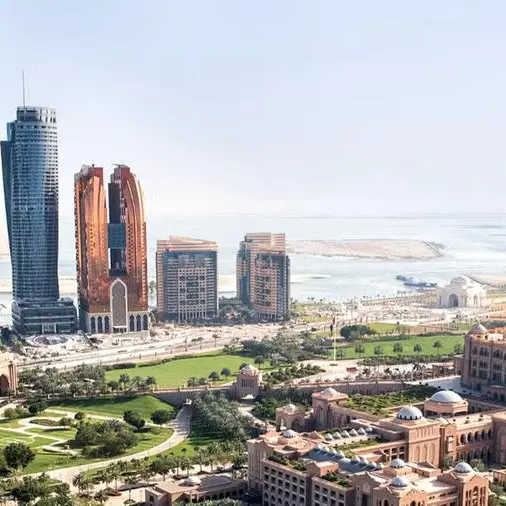
ABU DHABI: US Treasury Secretary Timothy Geithner pressed ahead with his sales pitch to Gulf Arab nations Wednesday, telling oil-rich Mideast allies Washington is committed to keeping the dollar strong and promoting sustainable growth as the world pulls out of a recession. Geithner's comments in the United Arab Emirates (UAE) capital Abu Dhabi came on the second leg of a two-day trip to the Middle East, where he is seeking to convince Arab leaders on the Obama administration's efforts to fix the US economy.
"We want to rebuild a stronger foundation for more balanced growth globally," Geithner said after a closed-door meeting about education and economic development with UAE Foreign Trade Minister Sheikha Lubna al-Qasimi and other officials.
"We need to make sure as we emerge from this crisis we're not sowing the seeds of imbalances that will lead to future crises." Geithner's visit to the UAE, the second largest Arab economy after Saudi Arabia, came a day after he met with Saudi King Abdullah and businessmen in the kingdom. The UAE, which is the end of the Mideast tour, is also home to the Persian Gulf commercial and financial hub Dubai.
A key aim of the trip, which follows a series of overtures to the Middle East by President Barack Obama, is to reassure major oil producers in the six-nation Gulf Cooperation Council that America still welcomes their business and will safeguard the value of the dollar and their vast US investments by forging a way out of the financial crisis.
"The UAE and the GCC countries have played an important stabilizing role [n the global economy]. You've seen them intervene in support of US banking institutions," said Nasser Saidi, chief economist of the Dubai International Financial Center. "What we need to see is a recognition of the important role of the GCC on the international level." The Gulf states' wealth skyrocketed during oil's earlier boom years, adding to their political clout in the process.
But leaders in the region have grown increasingly concerned as crude prices and the value of their investments soured in recent months.
Five of the Gulf Cooperation Council nations Saudi Arabia, the UAE, Oman, Bahrain and Qatar peg their currency to the dollar. Kuwait uses currencies that includes the greenback.
In an interview with Arabic-language news network Al-Arabiya, Geithner said the US would work to ensure the strength of the dollar.
"It is the policy of the United States and it will remain the policy of the United States to remain committed to a strong dollar," he said in a transcript of the exchange provided to reporters.
"My view, and this is the view I heard expressed here, is the dollar will remain the principal reserve currency," he added.
As a group, Gulf governments hold more than $400 billion worth of US investments, making them second only to China as America's biggest creditor, Saidi said.
"Income from foreign assets in terms of investment positions is becoming as important as income from oil. People tend to forget that," Saidi said.
Geithner's schedule in the UAE included meetings with the crown prince, the head of the central bank and the country's deputy finance minister.
The treasury secretary also held talks with top officials from some of the sheikdom's sovereign wealth funds, which have invested billions of dollars in US companies such as Citigroup Inc. From the UAE, he heads to Paris.
"Gulf countries are very important as investors, even though they don't have that much money to spend this year" because of lower oil prices, said Eckart Woertz, program manager for economics at the Gulf Research Center in Dubai.
"That's a large part of why he's coming," Woertz added.
Copyright The Daily Star 2009.