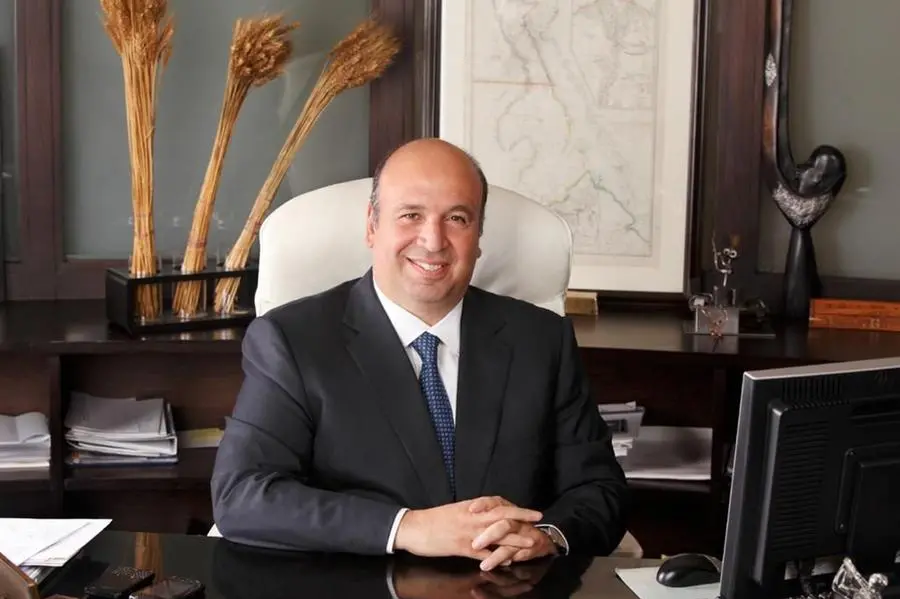
The Algerian industrial group Cevital is the headlines again. The company, which grew revenue by more than 50% in just five years is managed by millionaire Issad Rebrab who sees the Algerian economy's strong appetite for all products as an opportunity to expand at a fast pace. This new breed of entrepreneurs is what will help Algeria move to a market economy.
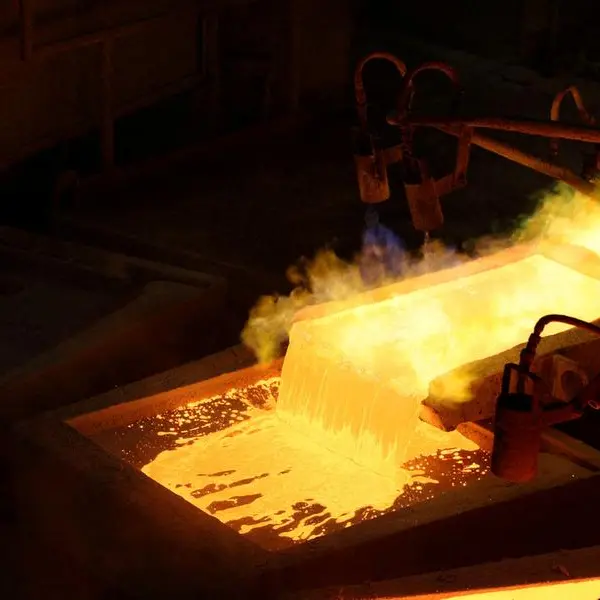
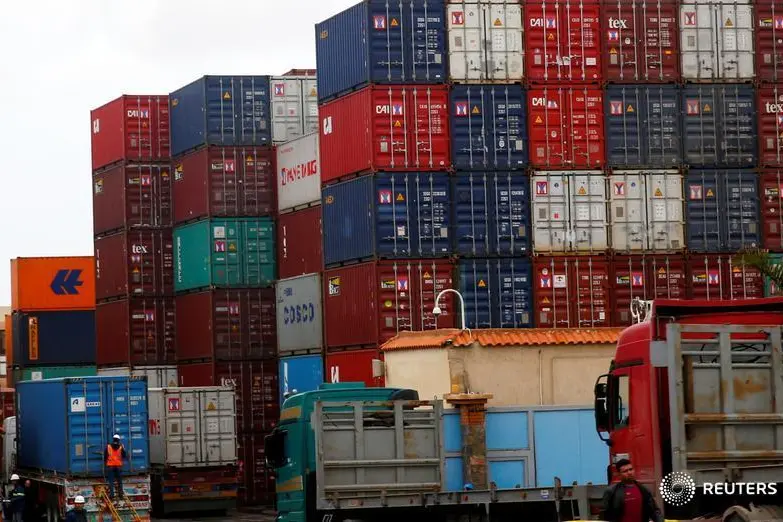
Rebrab's Cevital is a large size industrial complex situated in the eastern-most point of the port of Bejaia, eastern Algeria. The site was built on a swampland, which required important work before it began hosting the company's production facilities. The site is now home of a cooking oil treat plant, which produces 570,000 tons per year, accounting for 140% of Algeria's need for oil, a sugar refinery that produces 600,000 tons per year or about 60% of domestic consumption, and a margarine production unit with output of 180,000 tons per year. The company also owns 182,000-ton storage facilities in the port of Bejaia and a loading terminal capable of moving 2,000 tons of cargo per hour. The cooking oil refinery is equipped with a waste treatment plant and a purification system.
Cevital, whose core competencies are in the food business for now, employs 2,356 workers and is indirectly responsible for thousands of other jobs outside of its sites. The company's payroll grew from DZD 106 million in 1999 to DZD 799 million in 2004.
Behind the growth of Cevital is the personality of Rebrab who managed to avoid credit and used his personal wealth to grow his company. The company has had a strong track record in terms of reinvesting its profits. In 1999, Cevital started with an initial investment of DZD 3.8 billion. In 2004, the company invested a massive DZD 20.2 billion, while its revenue that year was DZD 38.2 billion. The company is also an important contributor to the country's tax base, with its annual payment of about DZD 7 billion excluding customs duty.
And That Was Just a Warm Up:
For Rebrab that's just the beginning. In the next three years Cevital ambitions to launch 15 industrial projects, five of which are already well underway. With these projects, Cevital expands beyond its core food business and outside of its natural region of Bejaia. This new round of projects will cost the company some DZD 18 billion.
Among the five ongoing projects is the establishment of a flat glass manufacturing plant in the town of Larbaa near the capital Algiers. The plant will be in form of a joint venture with the Chinese industrial firm CLFG, one of the world's largest producers of flat glass.
And since there is a first time for everything, Cevital will finance part of its investment through bank loans. The flat glass production unit will feature three production lines that will require an estimated investment of $181 million. Some 75% of that sum will come from Cevital's own money, while the remaining 25% will have to be raised in the financial market.
The plan calls for the creation of 2,500 on-site jobs with thousands of others outside of the plant. Once completed, the new entity will represent an important opportunity for the troubled region of Larbaa, which has suffered from the presence of terrorist groups for a long time.
Based on the global production of flat glass, Rebrab estimates that with this plant, Cevital will become the world's 12th largest producer with an output of 760,000 tons per year. The first production line will be operational in June 2006.
The new Cevital glass production complex will feature a dozen processing facilities such as a unit to process sodium carbonate for the making of soda glass, a sand treatment plant, and other similar units. Cevital's glass manufacturing complex will also tap into suppliers and contractors across the Maghreb region.
Later, Cevital plans to expand its core glass business into new products such as bottles, glass fiber for industrial applications, glass sheets for use in construction and thermal isolation and other derivatives.
About Rebrab:In 1968 Issad Rebrab was an expert accountant. He moved up the business ladder and now owns some 23 companies and employs about 3,000 workers. Rebrab faced tough times. He escaped an assassination attempt against him, presumably by a disgruntled former associate. Although he survived the attempt, he lost his most important industrial unit, Metalside, which was destroyed in a single night by an attack that involved ten explosive devices.
In his sixties today, Rebrab is a man that many global corporations seek to do business with. His survival skills and ability to prosper in difficult environments give him an edge. Not only he is involved in many industrial sectors such as steel and agribusiness, he also managed to turn Algeria into an exporter of refined cooking oil. Furthermore, he is the exclusive representative in Algeria of the Korean carmaker Hyundai, IBM and Xerox. He also controls a newspaper.
© The North Africa Journal 2005