Wednesday, Apr 24, 2013
Abu Dhabi: A member of the Federal National Council demanded the Ministry of Environment and Water protect consumers from unsafe food additives and harmful chemicals.
“The Ministry of Environment and Water should ensure dangerous and hidden ingredients and chemicals in seemingly healthy foods do not make it into the markets,” Ahmad Mohammad Al Jarwan, a member from Sharjah, told Gulf News yesterday (Wednesday).
Al Jarwan, also Speaker of the Arab Parliament, put a question to Dr Rashid Ahmad Bin Fahd, Minister of Environment and Water, on why the UAE’s markets were exposed to many locally produced and imported foods which contain potentially harmful ingredients including poisonous preservatives and dyes.
Advances in the food industry are hindering consumers’ efforts to stay healthy because thousands of chemicals have entered the food supply.
“Our supermarket shelves are stocked with packaged and processed foods containing harmful ingredients,” Al Jarwan said.
The minister did not show up at Tuesday’s meeting and instead sent a letter in which he spelled out control systems of locally produced and imported foods.
Al Jarwan insisted that the minister attend the next session to present his testimony and answer his queries.
“The answer was not accurate. I wanted to hear from the minister what are the measures taken to stop products with potentially harmful ingredients from entering the market,” Al Jarwan said.
Al Jarwan stressed members of the public expect — and deserve — greater protection from the ministry by keeping harmful substances out of their foods.
In his letter addressed to FNC Speaker Mohammad Al Murr, the Minister of Environment and Water said the safety and quality of food is at the centre of the ministry and the Emirates Standardisation and Metrology Authority’s mandate, with a view to ensuring best international standards are met.
“As many as 1,050 food standards completely prevent products short of them from entering the markets. Additionally, food control systems are enforced in the countries of origin through mutual agreements,” the letter said.
The letter added foods traded in the UAE markets undergo intensive checks, samples are tested and visits are paid to food processors, restaurants, wholesale and retail shops to ensure standards are met.
The minister added in his letter hazard analysis and critical control points, or HACCP has been adopted as a mandatory and effective approach to food safety and protecting public health since 2007.
HACCP is a systematic preventive approach to food safety and allergenic, chemical, and biological hazards in production processes that can cause the finished product to be unsafe, and designs measurements to reduce these risks to a safe level. It is referred to as the prevention of hazards rather than finished product inspection. The HACCP system can be used at all stages of a food chain, from food production and preparation processes including packaging, distribution, etc.
According to the minister, ISO 22000 — a food safety management system where an organisation in the food chain needs to demonstrate its ability to control food safety hazards to ensure that food is safe at the time of human consumption — is applied by most of the food factories.
Concerning imported foods, Dr Fahd said the ministry ensures safety of these products through communication with the World Organisation for Animal Health and the World Health Organisation (WHO).
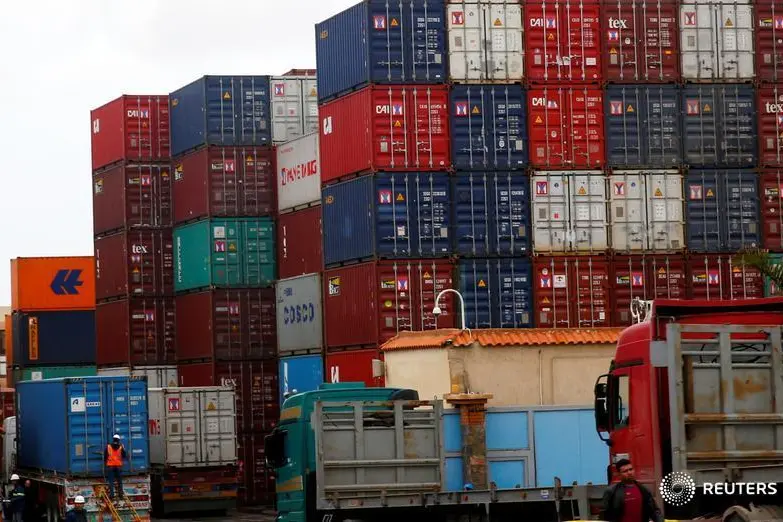
“The ministry is also a member of the International Food Safety Authorities Network (INFOSAN), the Rapid Alert System for FOOD and Feed (RASFF) and the Gulf Food Alert System. In addition, the ministry accredits slaughterhouses and Islamic societies overseeing halal slaughtering. Imported foods are also inspected at the UAE’s ports,” the letter said.
By Samir Salama ?Associate Editor
Gulf News 2013. All rights reserved.