The growing ties between the UAE and the United Kingdom will be on full display today as UAE President HH Sheikh Khalifa bin Zayed Al Nahyan begins a high-profile State visit to the UK.
Over the course of the three-day trip, HH Sheikh Khalifa will meet with Queen Elizabeth II at historic Windsor Castle, travel to 10 Downing Street for talks with British Prime Minister David Cameron and engage with a host of British ministers and prominent business leaders.
The honour of this week's State visit further cements a bilateral relationship between the two sides which is older than the UAE itself. Prior to the formation of the country in 1971, the Emirates were part of a collective known as the Trucial States - able to rely on British protection for the best part of 150 years.
Following the formation of the UAE, many Brits played a key role in helping to create the institutions of the new nation, sharing expertise in everything from banking to medicine and aviation to education.
Today the UAE is home to more than 100,000 British nationals - but in recent years it has been the contribution of the UAE to the economy of its former protector making the headlines.
UAE investment is behind some of the United Kingdon's most ambitious developments - from the success of Abu Dhabi energy firm TAQA in reinvigorating oil production at North Sea oilfields, to the huge new London Gateway port being developed by Dubai's DP World.
The latest to tread the well-worn path between London and the UAE was the UK capital's mayor Boris Johnson. Speaking in Dubai earlier this month, he was keen to hammer home the importance of the UAE to his city - and his country.
"There is massive economic inter-penetration between London and the UAE," he said, adding that he considered himself mayor of the "eighth emirate" due to the number of Emiratis who visit his city.
"People in London don't realise that during the Olympic Games that went so well last year, 30 per cent of the medals were won in a venue owned by Abu Dhabi," he added, referring to the ExCel London, a venue owned and operated by the Abu Dhabi National Exhibitions Company (ADNEC).
"Or that Abu Dhabi part owns a clean energy facility - the London Array - which generates power for 20 per cent of London households."
Johnson said he had been "totally blown away" by a presentation made by Dubai ports giant DP World on the London Gateway port set to serve the capital's cargo needs for generations to come.
"It will restore the deep-water facility that our city lost over the course of the 20th century and give back competitiveness to London in shipping and maritime transport in a way that we haven't had in many, many years," he said.
"This is an outstanding piece of transport infrastructure investment that will make a long-term difference to Britain's economic competitiveness - and create 36,000 jobs."
Little wonder the UAE is never far from the lips of those in London's business community. Although that's not always been the case, according to 7DAYS Deputy Editor in Chief Mahmood Al Awadi, who frequently shuttles between the UAE and UK.
Arriving in Britain in 1989 on a scholarship, he says few had heard of his young nation. "People would ask: 'The UAE, where is that?' and we would say 'near Saudi Arabia'," he laughs. "Now, if you were asked where Saudi Arabia was you'd say 'near the UAE'."
Today as the UK offers the UAE's leader the highest form of diplomatic welcome, it is clear both sides know just what the other can offer.
KINGDOM HOLDINGS: THREE UK PROJECTS BACKED BY THE UAE
London Array:
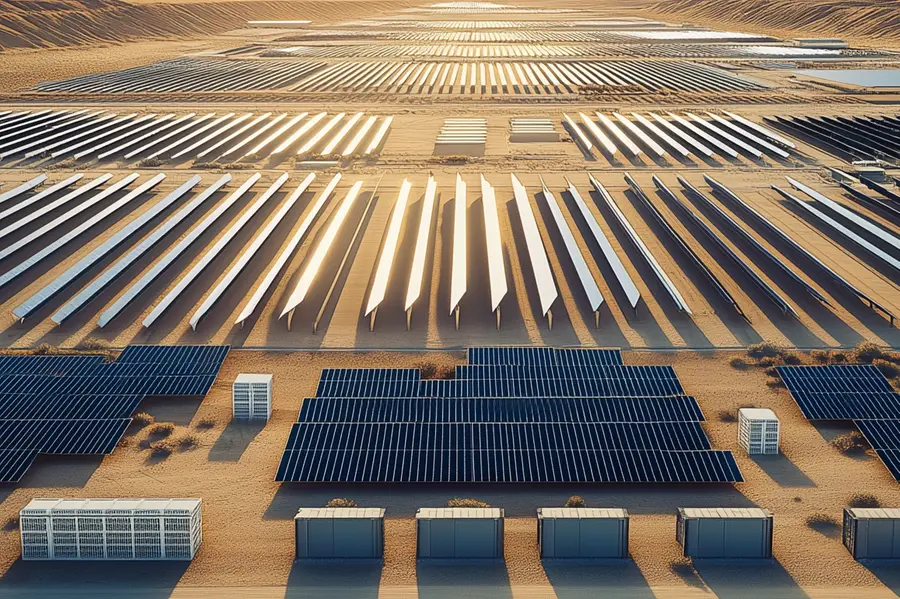
Abu Dhabi's renewable energy giant Masdar has a 20 per cent stake in this project - critical to UK efforts to develop clean sources of energy. The 175 turbines of this offshore windfarm - the largest such facility in the world - currently produce over 500MW of power. That's enough to serve more than half a million homes - with further phases set to increase the project's scale in the coming years.
North sea oil:
Well known as one of the world's largest oil producers, the UAE is increasingly doing its bit to help other nations boost their own production. Just last week the UK government approved the latest project in the North Sea by Abu Dhabi energy firm TAQA. And last year the firm bought North Sea assets worth $1.1 billion from oil major BP - a critical deal in efforts to sustaining UK oil production.
London Gateway:
The vast London Gateway project - which combines a massive deep-sea port with Europe's largest logistics park on a 2.7km stretch of the north bank of the River Thames - will mean that the British capital is once again served by a major port befitting its global status. The project is being developed by Dubai's DP World and the completed port will be able to handle 3.5 million containers a year.
© 7Days 2013