Abu Dhabi - Though, the rise in salaries is a good news for living standards and private consumption but it would have mixed implications on the UAE economy while other macro implications are less clear and the net impact on inflation is uncertain, said an economist.
The President His Highness Shaikh Khalifa bin Zayed Al-Nahayan ordered a 25 per cent salary hike for UAE nationals and 15 per cent for expatriates working in the Federal and Abu Dhabi governments, a third statutory salary rise since 1971.
Dubai and Sharjah, the other two large emirates in the UAE, have also followed the suit announcing that they will match the proposed pay rises for their staff.
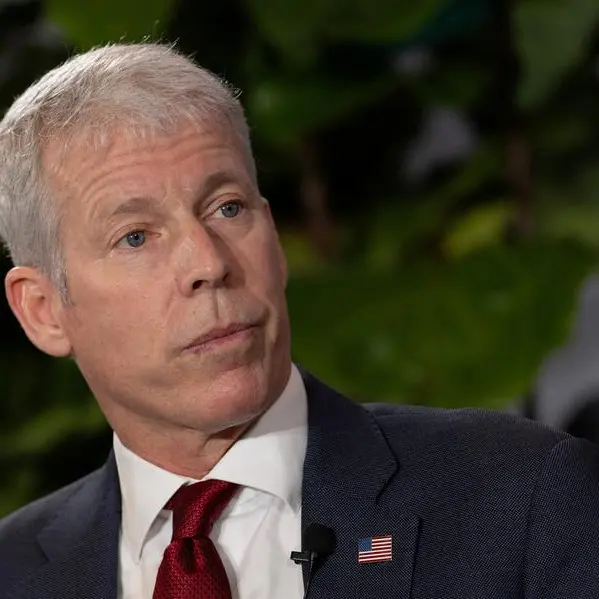
"The total cost could run as large as Dh3.4 billion, equivalent to $900 million, or 1.1 per cent of GDP," said Daniel Hanna, economist for Standard Chartered Bank, in a latest newsletter.
He said that this is a significant sum but is affordable in the current environment of high oil prices. The UAE has traditionally run a consolidated budget surplus of 10 per cent of GDP and last year, it ran a surplus of 16 per cent of GDP, or $13 billion. "So, the wage hike removes a large amount of budget flexibility if oil prices were to fall," he said.
It is worth noting that the UAE ran a deficit in 1999. Moreover, looking solely at the consolidated number overstates the financial strength of some of the emirates.
Abu Dhabi dominates the UAE's accounts, representing about 75 per cent of all government revenues in the UAE. It will be much harder for the less oil endowed emirates, such as Dubai and Sharjah to match Abu Dhabi's example. Wages account for less than 10 per cent of Abu Dhabi's revenues compared to 30 per cent of Dubai's.
Hanna said that the rising cost of living in the Emirates, the prime reason given for the hike in salaries, could be compounded by the move. If the wage increases are spent rather than saved, or invested, this will translate into a substantial increase in consumer spending, the extra demand alone could push prices higher.
Key will be to what extent private companies, who account for 90 per cent of civilian employment, respond to the move.
The wage pressures are already evident and many companies are complaining about the difficulty, and increasing cost of recruiting and retaining skilled staff. This is particularly true of Emirati staff.
An economy-wide set of salary hikes would increase costs, lead to further price rises and entrench inflationary pressures.
Daniel Hanna said that the wage demands are likely to be partially contained by the country's relatively liberal employment laws and access to competitive imported labour. Tackling inflation has become one of the UAE's chief macro challenges.
By Haseeb Haider
© Khaleej Times 2005