PHOTO
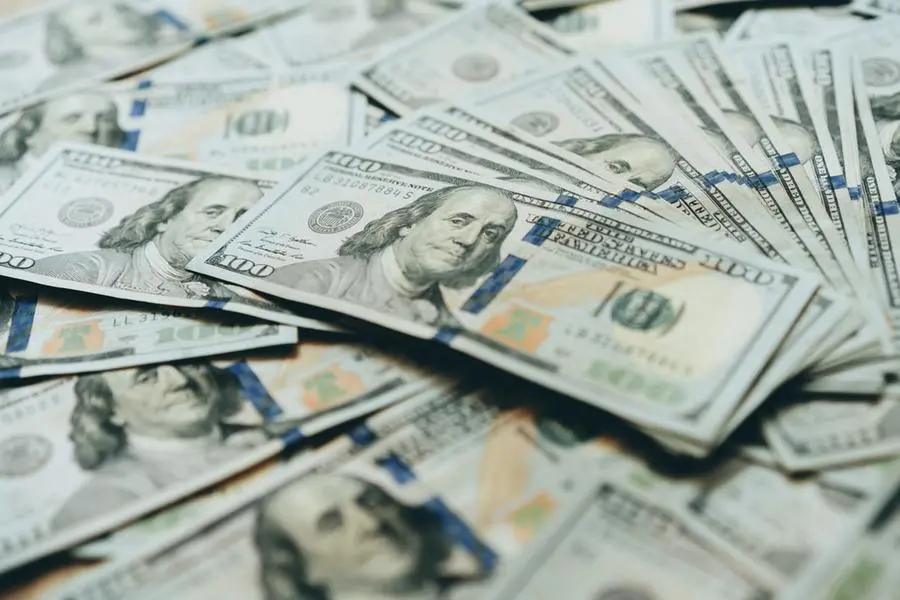
The dollar briefly plunged on Monday after U.S. President Donald Trump said he had asked the Department of Defense to postpone "any and all" military strikes against Iranian power plants and energy infrastructure for five days.
Trump made the announcement on Truth Social just hours before a deadline he had set for Tehran to "fully open" the Strait of Hormuz, threatening to destroy Iranian power plants in a further escalation in a conflict now in its fourth week.
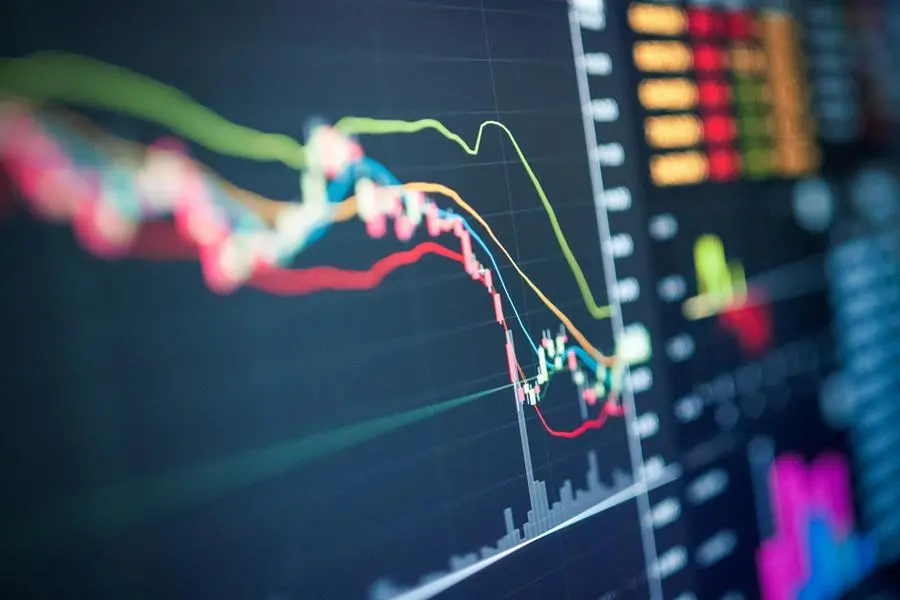
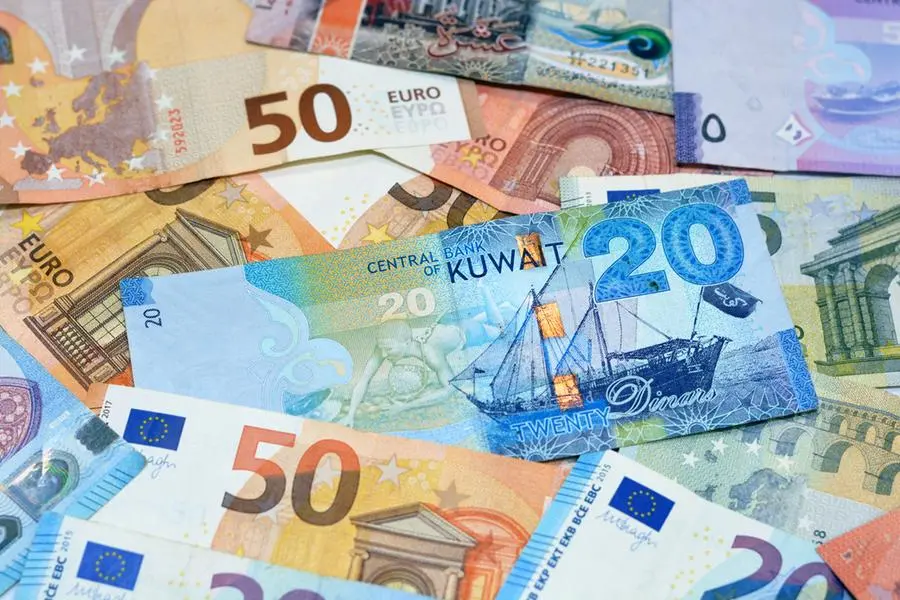
The dollar dropped by 0.7% against the euro and 0.6% against the yen immediately after Trump posted early on Monday morning U.S. time, before recovering some lost ground to trade lower on the day against both.
U.S. stock futures jumped over 2%, while the STOXX 600 erased daily losses to turn positive. It was last up 0.7%, having been down over 2.2% in early trade.
"This is clearly a positive development. The two sides are in discussions, and this is the first material sign of de-escalation that we have seen since conflict broke out at the end of February," Pepperstone strategist Michael Brown said.
"The war is not yet over. While positive, it is only strikes on energy infrastructure that have been ruled out at this stage, presumably meaning that kinetic action will continue elsewhere, at least for the time being," he said.
The Iranian embassy in Kabul said Trump was backing down from attacking Iranian energy infrastructure "after Iran's firm warning."
Crude oil prices fell as much as 14% to a low of $96 a barrel, before clawing back to around $100 to show a loss of about 5.4% on the day.
Iran's FARS news agency cited a source saying there were neither direct nor indirect communications with the United States.
Strategists said the initial market reaction could fade, given the extreme uncertainty that is prevailing right now.
"This says 'strikes on energy infrastructure'. What about the rest - do the Iranians twiddle their thumbs for five days, and what about Israel? There are so many questions here that are unresolved," said IG strategist Chris Beauchamp.
"Yes, markets have reacted positively. But it doesn't change the fact that the Straits are still closed," he said. (Additional reporting by Rocky Swift in Tokyo and Harry Robertson in London; Editing by Andrei Khalip, Aidan Lewis)