While large corporations may always think of improving their innovation portfolio, it is necessary to also become battle-ready for an almost inevitable scenario of disruption.
This is particularly true for companies playing in the ever-dynamic space of technology. The term "low-end disruption" was first coined by Clayton Christensen in his book "The Innovator's Dilemma."
Disruptive innovations are known to change the landscape of an industry by providing products, services or business models that are not as good as the currently available ones - but are far more affordable or otherwise appealing to the masses. For example, U.S.-based Southwest Airlines disrupted traditional airlines in the 1970s and 80s by providing an easy and affordable alternative to driving by providing "no frills" service and operating from non-mainstream airports. Another example is the Tata Nano, which offers simple car essentials at a very low price.
Also, the Internet-based telecommunications service, Skype is disrupting more traditional services by allowing long-distance and global calls at a much lower price and with more convenience.
While disruptive innovation may be easier said than done, the catch here - which every established or incumbent company must focus on - is whether or not there is a market for disruptive innovation in their industries.
The challenge is that managers are always under pressure to make necessary improvements that will satisfy the needs of customers. The question is which customers? As Christensen rightly noted, technology no doubt increases at a faster rate than its general adoption by the consuming class. This means that with every product improvement, there is an increase in the number of customers who would not utilize such an improvement. This, thereby, gives more room for a potential disruptor to penetrate these low-end consumers.
While companies should act in response to emerging trends, most times, these trends and future scenarios are dictated by the high-end customers (people who are constantly requesting product improvements and who are willing to pay for it). However, you must not forget about low-end consumers who these trends analyses and future scenarios may not address.
Thus your innovation readiness may have to go beyond meeting future scenarios that are dictated by emerging trends in the landscape. It may also have to include your ability and flexibility to create business models that will be profitable at lower gross profit margins and price per units sold to cater to the needs of low-end consumers. These consumers may or may not care about the improvements you are making to the current products because you have simply given them more than what they currently can utilize. This is particularly important to think about for a disruption that occurs suddenly or too fast for adequate planning.
Hence, big companies can reduce their vulnerability to disruption by constantly evaluating their innovation readiness, not only in terms of what can be done to improve the current innovation portfolio, but also what must be done to shield themselves from disruption. Future scenarios should not only be built for what they think the demand would be in the coming years, but also what the demand would not be in the coming years, so as to cater for the low-end consumers who are generally over satisfied with what is currently available.
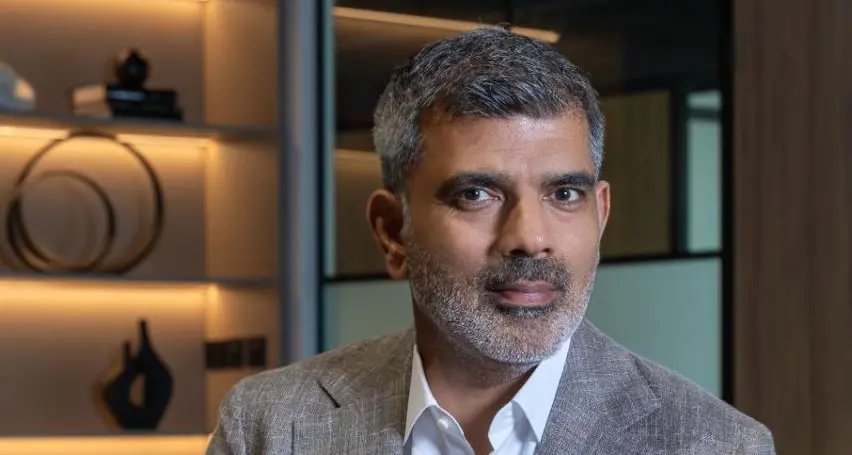
Gbemisola Akande (Gbemi) is a Hult Business School MBA holder and certified innovation management professional. His experience includes market research and analysis and business innovation consulting.
Innovation 360 2013