The Middle East Investment Company (MEIC) is a boutique investment house based in the Kingdom of Saudi Arabia. MEIC manages investment portfolios including real estate investment trusts and hedge funds. It has private equity investments throughout EMEA, across 13 companies and in seven verticals operating in these companies.
Its real estate portfolio includes commercial and residential assets, as well as real estate development. Investments managed by third-parties include local security platforms, real estate investment trusts and private equity. Companies include Communication Innovation (CI), SmartPay, Storage Technology Company (STCOM) and United Computer Applications (UCApps).
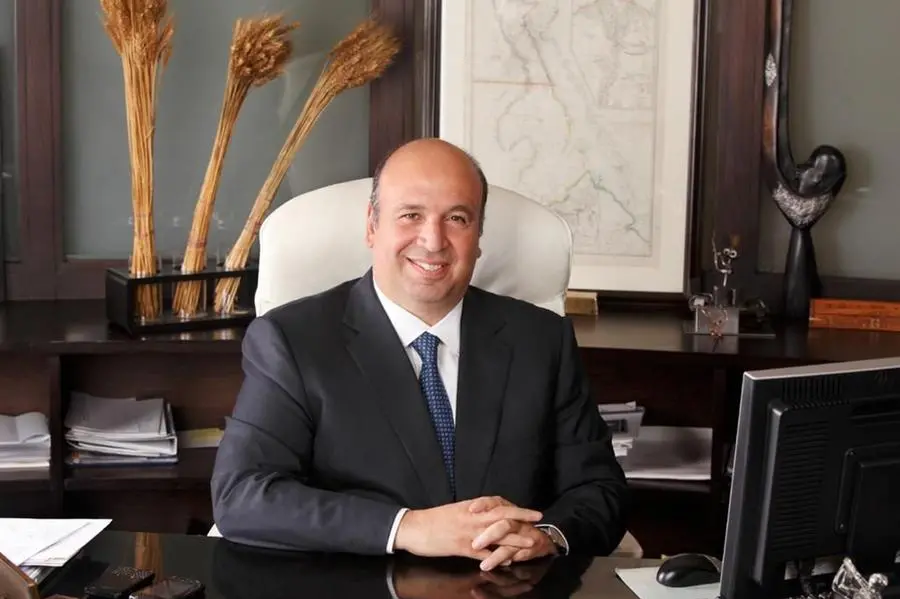
Sulaiman Al Assaf has been the Chief Executive of MIC since 2005. He spoke to Zawya about the factors affecting investment around the Middle East.
What is the expected performance of the MEIC going into 2012?
We have three things... firstly we are reforming some companies because we are a holding company we have 12 subsidiary companies, so we are restructuring some of them. We are thinking of acquiring other companies and to expand in our business.
What percentage will this expansion be?
We are expecting about 30% expansion in our business.
What are some of the macroeconomic factors affecting your business?
The Arab Spring. We have [investments] in Tunisia, Egypt and also Yemen. Practically, we can say we're stuck in two of those countries, because of the conflict. Now, there is conflict in Egypt - recently 22 people were killed. So this is one of the things affecting us.
The situation with Iran - we don't know what Iran's next step is, this is something that puts great fear in us, in general.
What steps are you taking to protect your interests in countries experiencing change in the Arab Spring?
Usually we try to have agreements with private companies, not with governments. This at least will protect us - we can expand the agreements for one or two years and if things happen we can cover our expenses in these countries. But if you ask me about next year and the year after, I'm sure I'm very optimistic.
What challenges do you face in the coming year?
The first challenge is what's happening in Europe now. It will affect us. America, the dollar, all these things we see as potential war in our region - [the situation between] America and Iran. These are the things we are afraid of.
© Zawya 2011