With as the threat of a full-scale conflict in the region looming, and the possibility of biological and chemical weapons being used, gas masks are again becoming a sought-after commodity. And that too from across the Gulf.
The handful of international brands that are represented in the local market have seen a lot of "enquiries, but nothing that has translated into actual sales, so far," according to a senior market source.
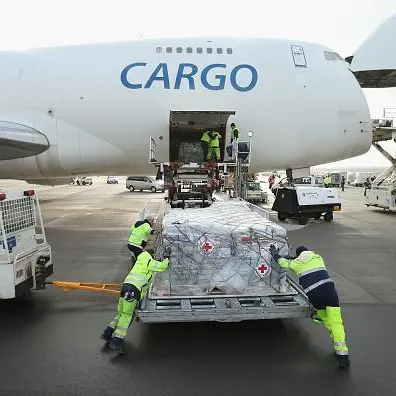
Shipping lines and allied businesses are at the forefront of these enquiries, and it is only natural given the nature of their operations. Their demand is mostly for gas masks and not clothes, said local gas masks suppliers.
Demand, however, is building up from different markets - mostly from Kuwait and Saudi Arabia, they added. No demand has come from the UAE because, like the 1991 Gulf war, it feels the conflict zone is far away, they explained.
A trickle of enquiries have also streamed in from some of the other vertical industries, sources added.
"We at the Dubai Ports Authority care about safety measures. However, the option of wearing the clothes and the masks is left to individual ships and their masters, except in cases where repairs are undertaken when they are requested to wear helmets, boots, special clothes, glasses and gloves," explained DPA officials.
"The NBC (for nuclear, biological and chemical) masks carry a price tag of about $100, while chemical protection clothing goes for upwards of Dh4,000," said a senior manager with one of the leading distributors of gas masks in the UAE.
"While we still have the regular demand from our industrial clients, it may take a further few days to see whether any orders are coming in purely because of the situation in Iraq.
"During the last Gulf War, we were the only company to supply reliable gas masks in the local market. The marine companies were even willing to pay a premium at that time, and we sold thousands of units."
With the experience of the last Gulf War, there are many who take the stand that any new conflict will be a localised one and will not spill over to other countries. However, there are not many willing to adopt such a stance in Kuwait.
The situation on the ground is vastly different in Kuwait, given the country's frontline status in any U.S.-led attack on Iraq.
According to market sources there, the Ministry of Civil Defence in Kuwait has already started procurement of gas masks, which would be distributed in case of a break out of war.
"The oil and gas companies have already started their own procurement programmes. Obviously, because of the demand, there has been an increase in prices in the short term," the official added.
While it is not clear how the modalities of the procurement is being worked out, a senior official associated with the Kuwaiti government hinted it would be through private tenders. As far as specialist clothing go, suppliers are shying away from taking on any stocks, preferring a "wait-and-watch" policy, the sources added.
Gulf News 2003