Project to enhance farming activities, Muscat's green appeal
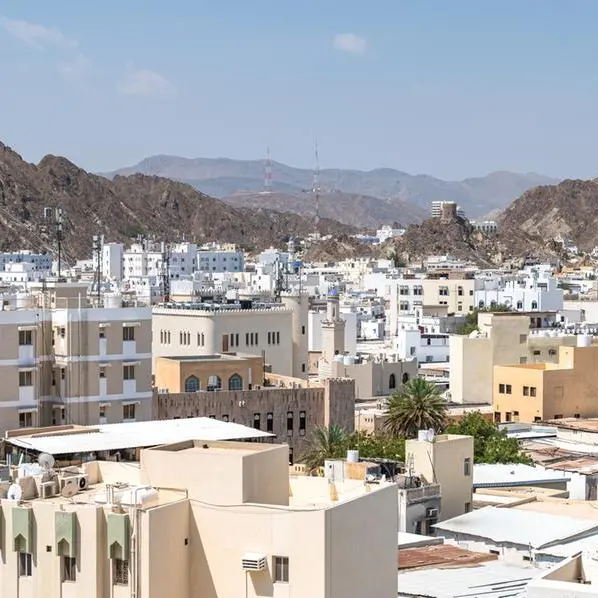
MUSCAT -- Construction is scheduled to commence next month of Oman's first large-scale composting project -- a government-backed initiative with the potential to fuel an upsurge in farming, landscaping and gardening activities in the Sultanate. Haya Water, which is investing in the development of a world-class wastewater system in Muscat Governorate, is building the facility at Al Multaqa in Al Amerat. When operational by around September, the plant will begin producing an affordable, environment-friendly and homegrown brand of compost that promises to have far-reaching benefits for the capital city's verdant appeal, as well as Oman's farm sector in general.
"This project is a reflection of Haya Water's commitment to the environment," Haya Water's Composting Unit Manager said. "By converting bio-solids -- a waste byproduct of the sewage treatment process -- into commercially valuable compost, we are creating an environment-friendly product that can contribute greatly to farming and landscaping." Bio-solids are the residues that remain when sewage is filtered and treated. Muscat's network of sewage treatment plants generates large quantities of bio-solids, which are presently disposed of in landfills -- a less than ideal option given the health risk they pose as magnets for insects, rodents and other disease vectors. Seepage from landfills can potentially contaminate groundwater.
"After studying all available options with regard to the safe disposal of bio-solids, Haya Water decided on a composting plant that will transform waste into an essentially beneficial product. A contract for the construction of the plant at Al Multaqa was awarded only last week. Part of the plant machinery is on its way, while the rest is on order. Operations are scheduled to commence in September," the Composting Manager told the Observer. With an installed capacity of 40,000 tonnes of compost per annum, the Haya Water project will go a long way in meeting the capital region's, and indeed the wider farming sector's, compost requirements.
According to the Composting Manager, the local brand will serve as a high-quality, yet economical, alternative to pricier imports. Importantly, only bio-solids derived from domestic wastewater -- and not industrial effluents -- will be used in the manufacture of compost. Furthermore, in an effort to enhance the organic and nutrient value of the product, Haya Water will mix the bio-solids with tree cuttings and grass trimmings collected from around Muscat Governorate. The resultant compost is a product rich in nutrients and high in organic matter, thus creating a better plant root environment by improving soil structure and porosity, the official explains.
While the project has been designed to handle projected growth in bio-solids in Muscat Governorate over the next 20 years, plant capacity can be doubled if necessary in the future simply by the installation of new machinery, says the Composting Manager. Plant output, while initially earmarked for distribution in the domestic market, will be eventually marketed regionally as well, he adds. Significantly, compost will be the first of a number of commercial products envisaged from Haya Water's treatment of bio-solids. "We propose to develop other commercially viable products from bio-solids for use in agriculture and farming. This is in line with our goal of commercializing products derived from bio-solids and treated water."
Furthermore, by promoting the widespread use of compost in farming, Haya Water hopes to bring about a drastic reduction in the amount of potentially harmful chemical fertilizers used in agriculture. "The use of compost improves the structure of the soil and helps trap nutrients for use within the root zone of the plant. Without compost however, fertilizers simply settle far below the root zone, particularly in the sandy soil of the Gulf region. Consequently, farmers have to add twice as much fertilizer as necessary for such soil -- which needn't be the case if the soil is mixed with compost."
Haya Water, a registered trademark of Oman Wastewater Services Company SAOC, was established in December 2002 as a joint stock company owned by the Government of the Sultanate of Oman. The company has the sole mandate to provide wastewater services in Muscat Governorate under a 30-year concession due to expire in 2036. Haya Water is putting in place a new wastewater collection and treatment system, complete with state-of-the-art treatment plants and other facilities across the capital region.
By Conrad Prabhu
© Oman Daily Observer 2010