2006 was not the best of years for Brand Dubai's international image. Here's why says, Jeremy Tamanini.
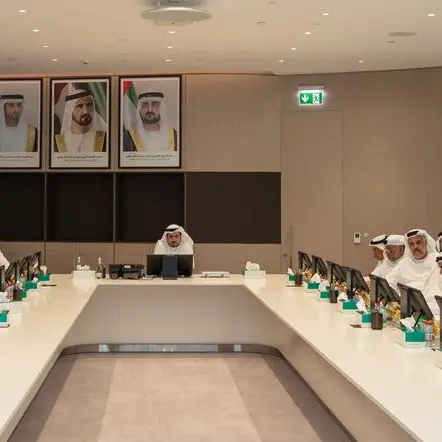
To call Dubai a brand would be an understatement. A city virtually unknown on the global stage several years ago, is now one of the fastest growing and most dynamic places in the world. Unlike most cities with longer histories to define their identities, Dubai enjoys the luxury of defining itself in modern terms according to the development strategies set forth by its visionary leaders.
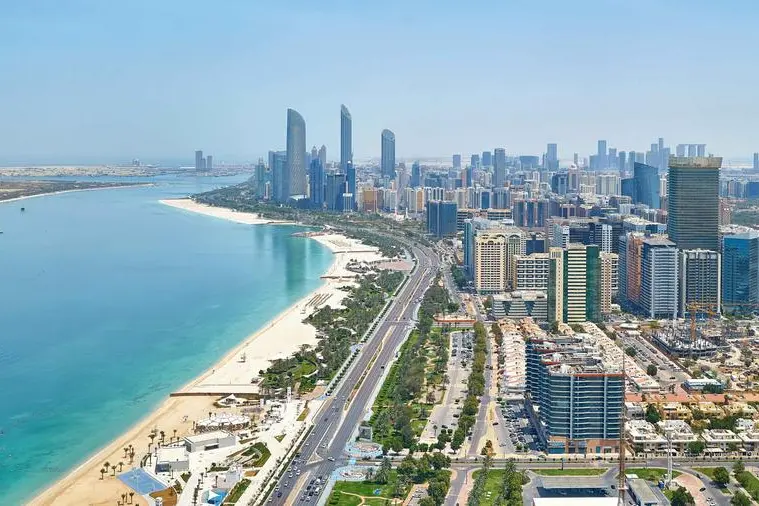
Three main pillars support the branding of Dubai. First is governmental, whereby an efficiently organised ruling class has executed various public private partnerships to attract investment and further development. Second is a strategic management of the image of Dubai communicated to the outside world. While those who live here know about the construction sites, images placed in the international media create the impression of an urban oasis, filled with soaring skyscrapers, seven star hotels and extravagant housing.
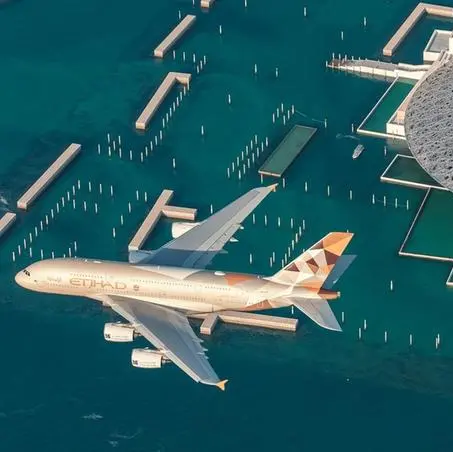
The third is the success of indigenous brands to indirectly represent Dubai to the outside world. Emirates Airlines, Jumeirah, particularly the Burj Al Arab each conjure up positive notions of the city to most foreigners.
As Dubai continues to develop, however, the communication of the brand Dubai must evolve, responding to a demanding media with new value propositions from within. The media today is cyclical and all brands, city or commercial, must stay one step ahead of the story.
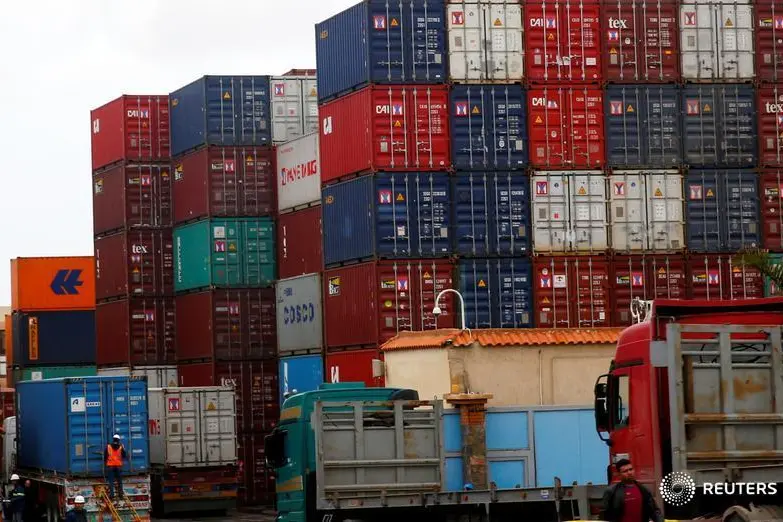
In the past year, stories that ultimately reflected poorly on Dubai could have been softened had a more pro-active PR effort to stay ahead of them been a success. Unfortunately, one of the biggest news stories about Dubai in America in 2006 was the Dubai Ports controversy. While the DP World deal was a victim of US politics beyond its control, there could have been more aggressive PR in advance of the announcement. Saturating the US media with stories of Dubai's expertise in port management would have softened the opposition. Similarly, a clarification of the role of US Homeland Security, rather than a company like DP World, in managing port security was necessary.
The second is the case of unskilled labour. There have been several stories in the past few months about a negative Human Rights Watch report about worker's rights. Recently, the mainstream news programme 20/20 in America produced a segment examining the plight of workers. Again, there are strategies to stay ahead of this story. A more pro-active communication of the economic opportunity for workers here, the large sums of money transferred home to poorer nations and UAE government measures to address the rights of labourers were needed. Lastly, how to confront media fatigue around telling the Dubai "boomtown" story? While there has been overwhelming interest in telling the story of Dubai's luxury hotels, modern skyscrapers, and unparalleled growth, the frequency of these stories has waned of late as journalists crave new and different examples of Dubai's development. Thankfully, Dubai's development is about more than luxury tourism; there exist many examples of development projects with a more humanitarian streak. Dubai Aid, a proposed zone for non-governmental organisations to organise and facilitate the distribution of aid to nearby third world countries is one such example of an initiative that could counter this media fatigue. Dubai's commitment to health-related enterprises like Dubai Healthcare City and Dubiotech is impressive and another angle on development that could be communicated more actively to the press.
Ten years ago, considering Dubai's youth and relative obscurity, this issue was not as relevant as it is today. If the Dubai brand represents opportunity, openness and globalisation, investing in tourism was the right first tactic to establish these brand values. But now second phase of the brand Dubai must begin. Like all successful brands, this second phase must remain true to the original core brand values, but communicate them in new and different ways to respond to a changing media climate and attitude towards the city. Success in this area will keep the foreign press positively engaged with this city and continue to reinforce the international curiosity to discover what the brand Dubai is all about.
Jeremy Tamanini is a US-government funded Fulbright scholar studying the relationship between place branding and economic development in Dubai.
© Gulf Marketing Review 2007