08 October 2009
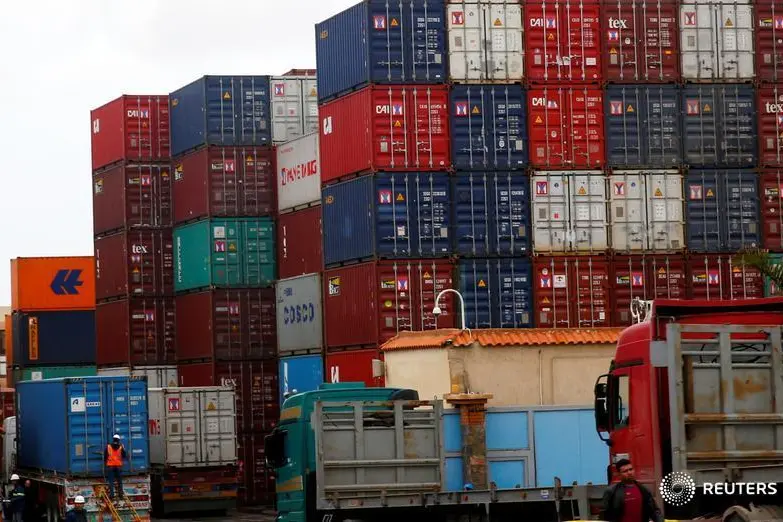
Dubai-based Gulf Energy Maritime (GEM) is set to acquire 17 more vessels by the end of this year, a top official from the company said.
Ahmed Al Falahi, GEM's Chief Executive Officer, told Emirates Business the company was not delaying any of its orders thanks to its ability to secure long-term (10-year) financing deals with Emirates NBD, ADCB, First Gulf Bank and First Gulf Bank.
"Believe it or not, we will be beating out net profit forecasts for 2009 because of earlier position in early 2008. We had secured high chart rate, something that is benefiting us right now," Falahi said on the sidelines of Middle East Money and Ships conference yesterday.
He said two more vessels would be joining the company's fleet in 2011. 'Currently we have 16 operational vessels. We received eight between the end of 2008 and October 2009 and we'll receive another one in November, which will make it a total of 17,'' he said.
'There are no delays. What we've done is request for minor delays not because of market but because we have to put enough gap to man the vessels.''
GEM - a joint venture between Dubai's Emirates National Oil Company, Abu Dhabi's International Petroleum Investment Company, Oman Oil and Thales of France - is confident its financial performance will remain positive despite record low rates and a swamp of excess capacity.
Falahi said the company remained cautious, fearing the shipping sector may be the last to get out of the crisis. He said IMF has predicted an average economic growth rate of 1.3 per cent this year for a group of 10 Middle East exporters. "This is an extremely low estimate if we have to come out of this slump by next year.''
He said the shipping industry which had low yields at high investment values was directly impacted by this growth with bank lending policies being tightened.
Falahi said global financial institutions had indicated $400bn-$500bn (Dh1.46 trillion) was needed in ship financing between 2101 and 2012, with estimated cancellations of 10-20 per cent.
"Banks will definitely think twice before they lend that amount as freely as they did until 2008," he said. "Even if there were any investment opportunities in the market, liquidity is generally scarce and many banks that have provided shipping finance are exposed."
"Overall, the shipping industry is among the hardest hit and may even be the last to come out of this slump,'' said Falahi.
Dubai-based Gulf Energy Maritime (GEM) is set to acquire 17 more vessels by the end of this year, a top official from the company said.
Ahmed Al Falahi, GEM's Chief Executive Officer, told Emirates Business the company was not delaying any of its orders thanks to its ability to secure long-term (10-year) financing deals with Emirates NBD, ADCB, First Gulf Bank and First Gulf Bank.
"Believe it or not, we will be beating out net profit forecasts for 2009 because of earlier position in early 2008. We had secured high chart rate, something that is benefiting us right now," Falahi said on the sidelines of Middle East Money and Ships conference yesterday.
He said two more vessels would be joining the company's fleet in 2011. 'Currently we have 16 operational vessels. We received eight between the end of 2008 and October 2009 and we'll receive another one in November, which will make it a total of 17,'' he said.
'There are no delays. What we've done is request for minor delays not because of market but because we have to put enough gap to man the vessels.''
GEM - a joint venture between Dubai's Emirates National Oil Company, Abu Dhabi's International Petroleum Investment Company, Oman Oil and Thales of France - is confident its financial performance will remain positive despite record low rates and a swamp of excess capacity.
Falahi said the company remained cautious, fearing the shipping sector may be the last to get out of the crisis. He said IMF has predicted an average economic growth rate of 1.3 per cent this year for a group of 10 Middle East exporters. "This is an extremely low estimate if we have to come out of this slump by next year.''
He said the shipping industry which had low yields at high investment values was directly impacted by this growth with bank lending policies being tightened.
Falahi said global financial institutions had indicated $400bn-$500bn (Dh1.46 trillion) was needed in ship financing between 2101 and 2012, with estimated cancellations of 10-20 per cent.
"Banks will definitely think twice before they lend that amount as freely as they did until 2008," he said. "Even if there were any investment opportunities in the market, liquidity is generally scarce and many banks that have provided shipping finance are exposed."
"Overall, the shipping industry is among the hardest hit and may even be the last to come out of this slump,'' said Falahi.
By Karen Remo-Listana
© Emirates Business 24/7 2009