Polyserve was established in 1990 with headquarters in Cairo, Egypt. Its main trade is in fertiliser and it also operates in trading support services such as bulk handling and storage, local distribution, bulk blending, handling and storage and stevedoring. Its current export markets for nitrogen, phosphates and rock phosphate include Europe (France, UK, Greece for example), South America (including Brazil, Argentina), the Middle East (Syria) and Africa (Sudan, Nigeria). Imports consist of nitrogen and sulphates.
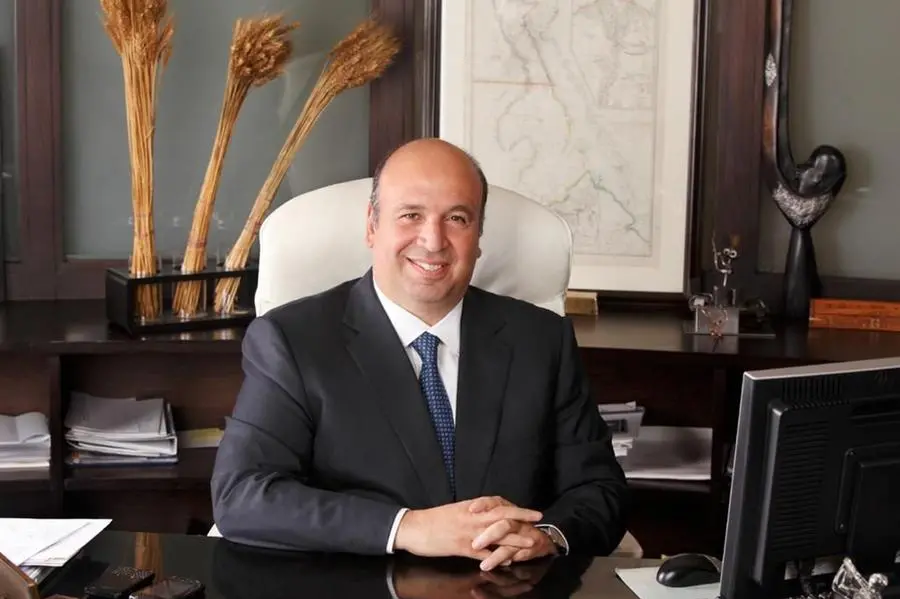
Polyserve Chairman Sherif El Gabaly spoke to Zawya about the company's future and how the country's revolution has affected its performance.
What is your expected performance going into 2012?
We are in the fertiliser business, so we're less hurt by the economic crisis and any economic problems. So for 2012 on a local level, production will increase with what's needed, so we don't expect problems in the local market. On the international scene we're not sure, because we export. Here we don't know yet because the economic situation globally is not very clear. I mean, yes people need food so they will need fertiliser and so on, but at the same time their consumption can be reduced, people could use less as what happened in the second half of 2008. So we don't know the situation, it's very difficult to predict 2012 on a global level.
What macroeconomic factors affect the company's performance?
We are an Egypt-based company, so of course whatever happens in Egypt affects us one way or the other. The social unrest, workers' requirements, everybody is asking for a raise in their salaries every day, security is a problem. These are the main challenges actually, security and social unrest because of people's demands that are coming up since this revolution started. Then of course we have to wait for the elections and the new Parliament; this is also another thing that we have to wait and see how it will develop - what kind of Parliament we're going to have and how the elections will work. All these affect us.
Give us an overview of the sector at the moment.
The fertiliser business is starting to become one of the main production centres globally. Over the last 10 years a lot of fertiliser production has become established in Egypt, which has given Egypt a position globally supplying the global market with different kinds of fertiliser - nitrates or phosphates or of course both. Natural resources, whether nitrates or phosphates, are of course available in Egypt. So the industry is one of the strongest and healthiest in the Egyptian sector. It's also one of the main exporters for the Egyptian industry in terms of volume and revenue and so on, so it's a very important sector for Egypt actually. It's important also for the Egyptian economy being one of the largest producers of fertiliser per capita in the world today, so it's very important for Egypt. At the same time it's one of the main exports we have, so again it's very important for our economy.
What other challenges do you see for your industry?
For the industry I think stability in the country is important, but certainly the industry is very strong. Compared also with global competitors it's also quite strong. The important things are stability and security in the country.
Do you have any investment or expansion plans for 2012?
We have expansion plans in terms of the trading side, not on the industrial side. We are opening more in Africa, our focus very much is on the eastern part of Africa, we will increase our exports there in that part of the world. We have opened an office in Nairobi and we've also opened an office in the UAE to supply the Indian sub-continent, so we are developing more the export side of our business, the trading side.
© Zawya 2011