When it comes to cutting the telco consumer pie, there's really only one slice that counts, reports Ryan Harrison.
The nature of the Mena telecom sector means that operators often face competition from just one or two rivals. It makes differentiating a brand or offering quite difficult.
Telco firms, therefore, slice up the market for their products and service into a number of different segments.
But which consumer slices of the substantial pie are currently proving popular? And how best can a provider make the connection?
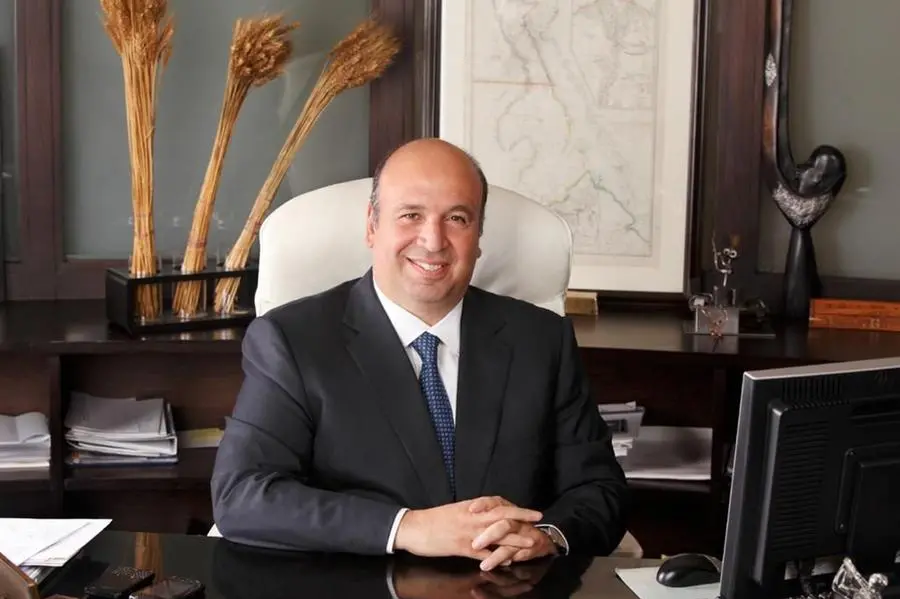
According to Andrew Hanna, chief commercial officer at STC Bahrain, or Viva, the youth segment is increasingly where the action - and most potential - lies. And within segment social media continues to reign supreme.
"The consumer base in the Gulf is very youthful and tech-savvy and want the latest in terms of technology and gadgets. The majority of the population is under 25 years, which drives a lot of social marketing.
"Consumers have become more sophisticated and have more choices than ever before. Plus, they have more ways to make those choices."
Viva's older and bigger rival, Batelco is planting the marketing seed at an even earlier age.
A spokesperson says: "This year we have initiated new affinity programmes with universities and schools to be closer to our youth segment."
But what Bahrain is experiencing can be witnessed more widely in the Mena telecoms industry.
Samsung, for example, has chosen to combine its marketing efforts in schools with another burgeoning customer slice: women.
Ashraf Fawakherji, GM of the Telecommunication Group at Samsung Gulf Electronics, says: "We are present at Ajman Women's college. Because Emiratis are mainly the ones attending the college, it's a segment that we couldn't overlook. Our new pink phone will be at the forefront of this particular drive.
"In general, we get a random selection of people and test six to eight consumers, two of which should be women. The pink phone came out of this strategy."
Meanwhile, HTC recently adjusted its overall strategy to target new segments, at the forefront of which was youngsters. The firm said to tap into the youth market it launched the "first fully integrated social media compatible smartphone" called HTC ChaCha. UAE incumbents du and Etisalat have both reached out to students in a big way recently.
As part of its initiative to enhance the career prospects of UAE nationals, du announced that 120 students had graduated from the first season of its Life Skills program.
Life Skills is part of du's CSR, where academic organisations are asked to nominate students to enrol on the course, which helps them become more productive and well-rounded in the workforce.
Etisalat also unveiled a new rewards system for students. As part of the plan, new student wasel customers will receive AED25 ($6.8) free credit when they subscribe, and for the first five times they recharge their account, they will receive AED10 ($2.7) free credit.
As demand for smartphones and social media continues to skyrocket, young people will naturally become targets of marketing campaigns.
Etisalat, du and others have found innovative ways to do this in schools. Still, whether the future generations are getting the message about the differences between telco operators' services is yet to be seen.
© Gulf Marketing Review 2012