PHOTO
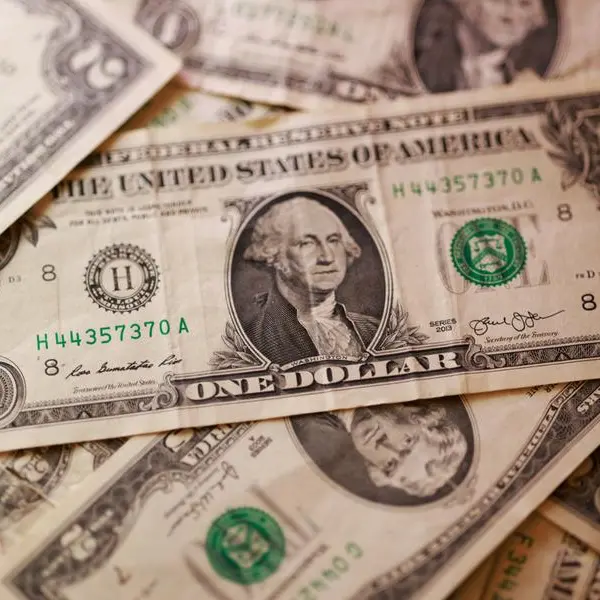
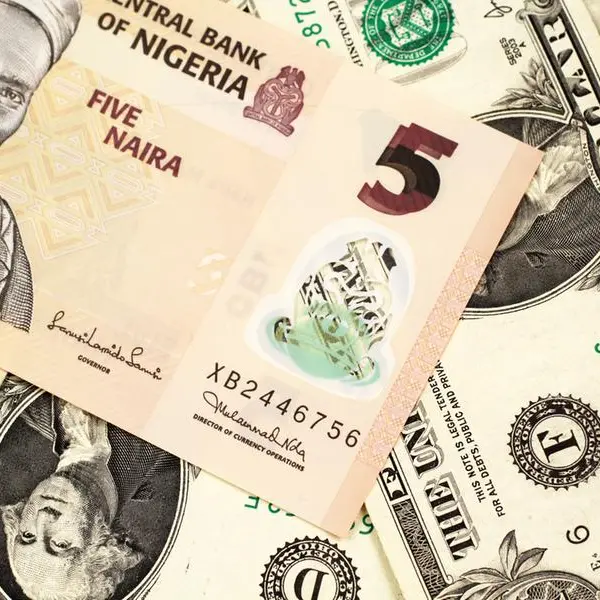
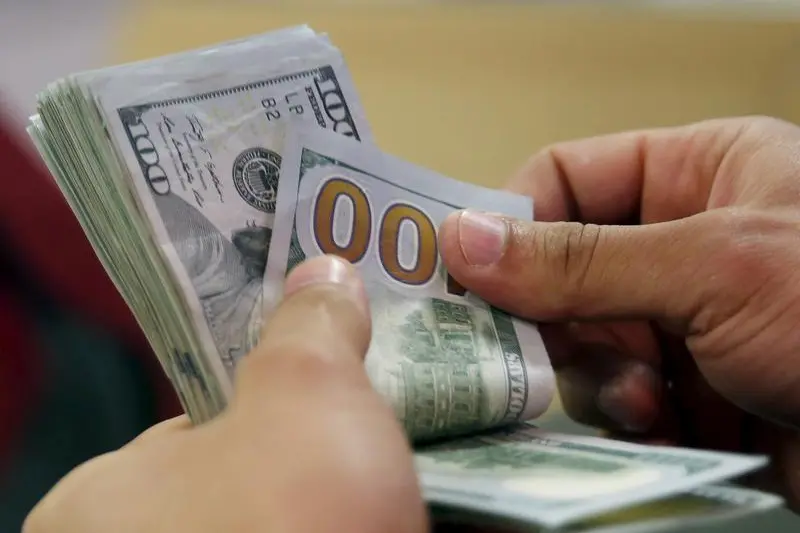
TOKYO: The U.S. dollar held on to overnight gains against major peers on Thursday after President Donald Trump withdrew a threat to impose tariffs on a number of European NATO nations, trumpeting the framework of a deal with NATO over control of Greenland.
That put the safe-harbour Swiss franc on the back foot, retreating sharply from a three-week high, while gold sank from an all-time peak.
The Australian dollar was buoyed to a 15-month high both by improvement in risk sentiment and by data showing an unexpected decline in the jobless rate.
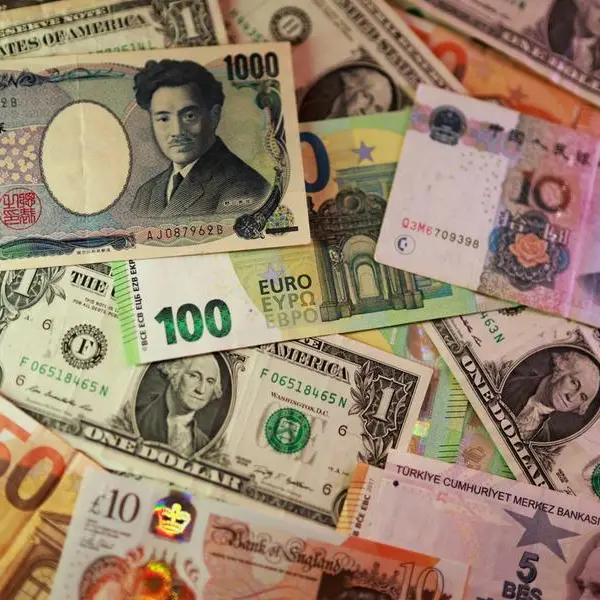
The yen remained under pressure, hovering close to a record low versus the euro, after Japanese Prime Minister this week called a snap election and pledged measures to loosen fiscal policy.
The Bank of Japan kicks off a two-day policy meeting on Thursday, but market participants expect no change as the central bank raised its policy interest rate at its previous meeting last month.
The U.S. dollar held steady at $1.1685 per euro on Thursday, following a 0.3% rebound in the prior session. It was flat at 0.7953 Swiss franc after leaping 0.7% overnight.
Trump's threat to levy tariffs on allied nations opposed to his ambition to control Greenland spooked markets and triggered a broad selloff of U.S. assets, but his comment in Davos on Wednesday that he had ruled out military action offered relief.
Trump vowed on Saturday to impose tariffs from February 1 on European Union members Denmark, Sweden, France, Germany, the Netherlands and Finland, along with Britain and Norway, until they abandoned their opposition to the U.S. gaining control of Greenland - a comment that major EU states decried as blackmail.
The U.S. president said he has reached a framework for a deal with NATO over Greenland but did not offer any details in a post to his Truth Social platform about what that would entail. As a result, though, he said he would not impose tariffs.
"Traders have been quick to react to some punchy reversals in markets, cutting back on recently entered bearish risk positioning and long volatility hedges, part covering USD shorts, and running a more balanced exposure in gold and silver," Chris Weston, head of research at Pepperstone, wrote in a client note.
"Between Trump's speech in Davos and his posts on social media, the market has largely removed the tail risk of a U.S. confrontation with its NATO partners."
The risk-sensitive Aussie rose 0.4% to $0.6791, a level not seen since October 2024. It also hit the highest since July 2024 at 107.52 yen.
Australian data for December showed a drop in the jobless rate to a seven-month low amid a surge in employment that was more than double what economists predicted.
That could prove crucial in determining the Reserve Bank of Australia's course of action when it decides policy on February 3, analysts said.
"Today's red-hot jobs report has dramatically increased the chances of an RBA rate hike," IG analyst Tony Sycamore said in a note.
"While monthly labour force data can be volatile and subject to noise, the December report aligns with the RBA's assessment that labour market conditions remain tight."
The yen was steady against most major peers in Asian trading on Thursday, but at 184.83 a euro, it did not stray far from the record low of 185.56 touched last week.
The Japanese currency changed hands at 158.31 a U.S. dollar , near last week's 18-month trough of 159.45. (Reporting by Kevin Buckland; Editing by Christopher Cushing)