PHOTO
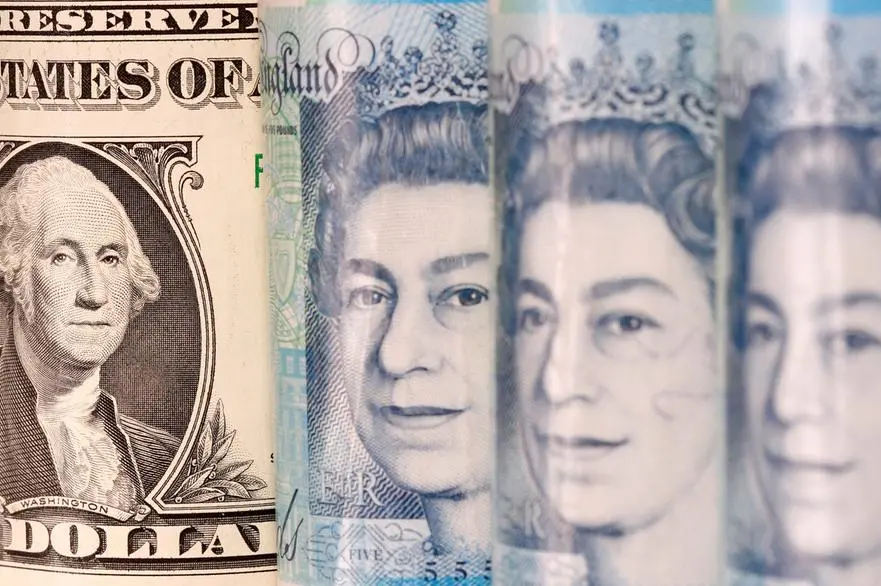
The British pound rose to a four-month high against a softening dollar on Monday, extending gains from last week when strong domestic data pushed the currency higher. British businesses reported their fastest upturn in activity since April 2024 in January, while retail sales rose unexpectedly last month, data showed on Friday, adding to signs of a pickup in the economy.
That helped push the pound 2% higher last week, its biggest weekly gain since March last year, although the broad dollar fell by a similar amount.
The pound was last 0.2% higher versus the dollar at $1.3675, its highest level since September 17.
"Cable (sterling-dollar) is going to be at the mercy of the U.S. story, more so than the UK story," said Dominic Bunning, head of G10 FX strategy at Nomura. The dollar, which measures the currency against six others including the pound, slipped 1.9% last week, its biggest weekly drop since April as investors revived the "sell America" trade following U.S. President Donald Trump's threat to impose tariffs on European allies over Greenland.
Against the euro the pound was down around 0.1% at 86.79 pence. The pound was also down 1% to 210.17 yen, with the Japanese currency strengthening across the board as speculation mounted of coordinated currency intervention by Japanese and U.S. authorities to strengthen the yen.
Nomura's Bunning believes the pound could weaken further against the euro given the challenges facing the UK economy.
"We think base effects will really bring inflation down below target by the April print," Bunning said.
"We expect disinflation coming through in the next few months in the headline rates and that can potentially lead to a risk that the Bank of England cuts more than is priced."
The BoE meets next week but is widely expected to keep interest rates unchanged.
Money market traders are pricing in around 36 basis points of easing by year-end, implying one quarter-point rate cut and around a 45% chance of a second. The pound also remains sensitive to large swings in government bond yields, which fell slightly on Monday after the Labour Party blocked the return to parliament of Manchester mayor Andy Burnham, seen as a potential challenger to Prime Minister Keir Starmer.
Britain's benchmark 10-year gilt yield was last down 3 basis points at 4.49%.
(Reporting by Samuel Indyk; Editing by Andrew Cawthorne)