PHOTO
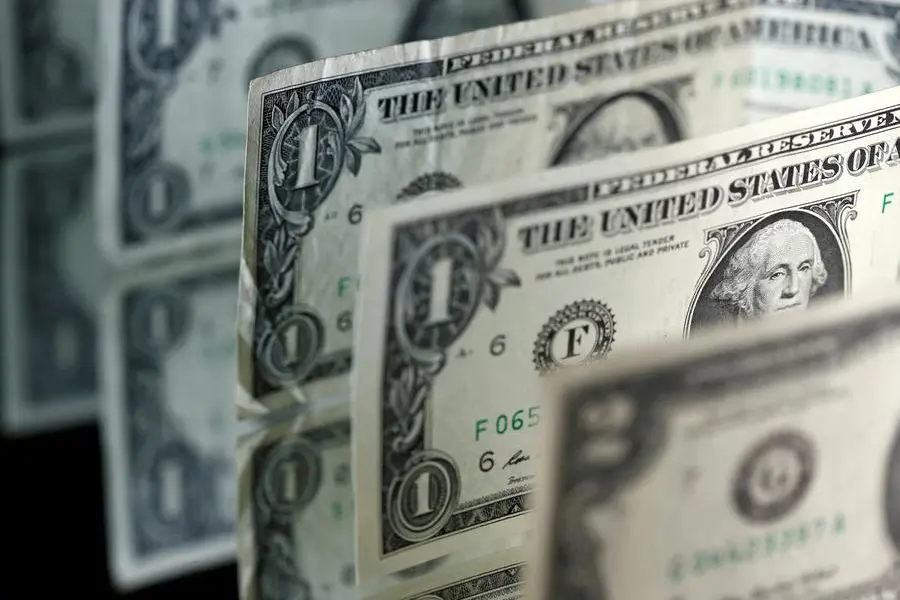
HONG KONG: The dollar firmed slightly on Tuesday as investor sentiment turned cautious, with the war in the Middle East raging on and markets sceptical of a swift resolution even though U.S. President Donald Trump delayed the bombing of Iran's power grid.
Trump wrote on his Truth Social platform that the U.S. and Iran had held "very good and productive" conversations about a "complete and total resolution of hostilities in the Middle East". Iran denied it had engaged in any direct negotiations.
The contrasting comments and a fresh wave of fighting left markets in flux as traders weighed Trump's post in which he postponed the bombing for five days. Still, markets were mindful of the war all but halting shipments of about one-fifth of the world's oil and liquefied natural gas through the Strait of Hormuz.
"The news overnight is giving a breather to volatility at least, but it's difficult to see that this is going to trigger a risk-on trend," said Rodrigo Catril, a currency strategist at National Australia Bank.
Trump's policy track record was keeping markets wary, with traders uncertain whether this marked the start of genuine negotiations or simply a retreat from volatility-inducing threats, Catril said.
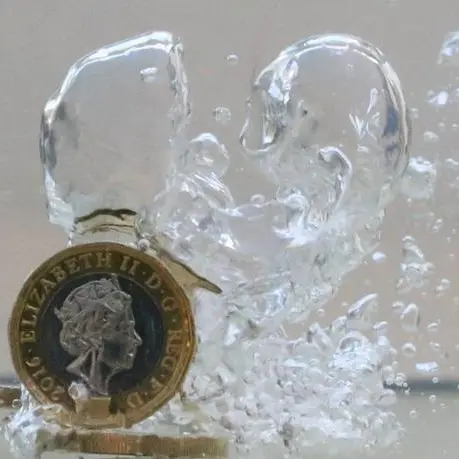
Sterling eased 0.49% to $1.3388 after jumping nearly 1% on Monday, while the euro was down 0.3% at $1.1583 after gaining 0.4% in the previous trading session.
The Australian dollar fell 0.6% to $0.6968, pulling back from a six-week high. The New Zealand dollar was down 0.5% at $0.5832.
The yen was on the back foot at 158.73 a dollar after Japan's core consumer inflation rate hit 1.6% in February. That was below the Bank of Japan's 2% target for the first time in nearly four years, complicating the bank's efforts to justify further interest rate hikes.
Oil prices edged higher after plunging more than 10% on Monday, with Brent crude futures retopping $100.94 a barrel on supply concerns.
DOLLAR ADVANCES AFTER BRIEF DIP
"The key question is whether participants see this as a genuine extension that brings a deal closer, or simply a delay that prolongs uncertainty," said Chris Weston, head of research at Pepperstone.
"The U.S. dollar has seen selling on the back of the move lower in crude and the broader repositioning in risk. However, there is little conviction in the move, and conditions remain ripe for sharp reversals."
Iran launched multiple waves of missiles at Israel, the Israeli military said, with Iran's elite Revolutionary Guards saying they were launching fresh attacks on U.S. targets, and describing Trump's words as "psychological operations" that were "worn out" and having no impact on Tehran's fight.
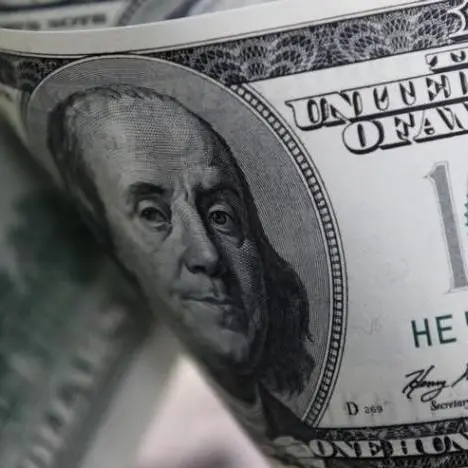
The dollar index, which measures the U.S. currency against a basket of peers, rose 0.2% to 99.387 after dipping 0.4% to near a two-week low on Monday.
The index has strengthened 1.8% this month, on track for its strongest monthly gain since October, as the conflict fuelled safe-haven demand and resulted in traders no longer fully pricing a rate cut this year from the Federal Reserve.
That supportive case is likely to continue to hold true, with the impact of higher oil prices trickling through and no resolution to the war in sight, said Sim Moh Siong, FX strategist at OCBC.
"In the near term, the dollar may stay supported as long as there are no visible signs of de-escalation," he added.
The two-year U.S. Treasury yield, which typically moves in step with Fed rate expectations, rose 7.7 basis points to 3.908% in Asian hours after dropping 6.3 bps on Monday. (Reporting by Jiaxing Li in Hong Kong and Ankur Banerjee in Singapore; Editing by Christopher Cushing and Jamie Freed)