Iran continues to develop its oil and gas relationship with China despite sanctions pressures. The National Iranian Oil Company recently approved a MoU starting the process of transferring operations management of the Azadegan oilfield to China National Petroleum Company.
According to Glgroup.com, National Iranian Oil Company (NOIC) board approved the Memorandum of Understanding with China National Petroleum (CNPC) which still awaits ratification by the Supreme Committee for buy-back projects. The MoU still needs to be converted into a commercial contract and approved by the Chinese government.
Financial Commitment
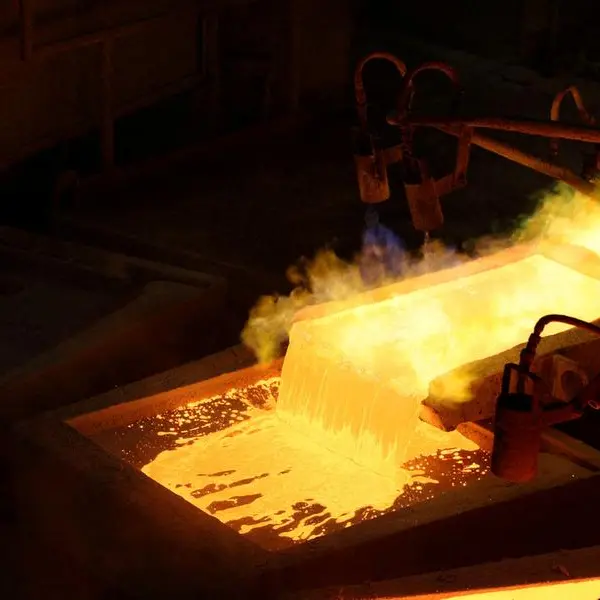
Azadegan field is estimated to contain 7 billion barrels of recoverable reserves. At the present time Chinese oil companies have a number of oil import and development projects in Iran. Azadegan represents the biggest political and financial commitment so far.
The Iranian entity Petroleum Development and Engineering Company (PEDC) has been reworking appraisal wells in the field and has drilled seven development wells resulting in present reported production of 50,000 barrels per day.
CNPC is presently contracted to develop the adjacent North Azadegan filed with phase one output of 70,000 bpd within four years. CNPC has also signed a $4.7 billion deal to develop Phase 11 of the South Pars gas field.
China is the second largest buyer of Iranian oil averaging 500,000 bpd and Iran is China's second largest crude supplier. The Middle East supplies more than 60 percent of China's crude.
China now has a large investment in Iranian oil and gas and may continue to invest in and develop these and other projects as a point of national interest as the second largest global economy.
The United States and other Western nations hope that China will soften its stance against tighter United Nations sanctions against Iran. These proposed new sanctions are not expected to include the energy sector. Over the long term, other economic sanctions would effect oil and gas projects.
These large investments by Chinese firms are made with the approval of the government. They provide the Chinese with a powerful voice in shaping United Nations Sanctions, and make China a major player in the Middle East energy market.
One thing is certain as China's economy grows, it will continue to invest in numerous oil and gas projects globally, and will act in its own best interest.
Eni Under Pressure
Despite the growing Chinese investments, Italy's largest energy company has said it will end its role as lead developer of a natural gas field in Iran after the US threatened to impose sanctions on it.
Eni will transfer the Darkhovin gas field to local partners after the US threatened to place sanctions on companies doing business with energy-rich Iran.
"We will hand over the field within the next few weeks," Paolo Scaroni, Eni chief executive, told Bloomberg.
"We are aware of initiatives by US to adopt laws, regulations or policies requiring divestment from companies that do business with countries designated as states of sponsoring terrorism," Eni said in its 2009 report.
"These policies could adversely impact or limit investment by certain investors in our securities and so possibly impact adversely our share price," it added.
Italian Prime Minister Silvio Berlusconi has called for tighter sanctions against Iran and claimed Italian companies have cut business ties with Tehran by a third since 2007.
The Italian government is the largest shareholder of Eni and the company said it would pull out of Iran after Berlusconi's pledge.
No new sanctions have been imposed on its Iranian activities, but any new US sanctions could pose a risk for the energy giant. Darkhovin is the only gas field operated by Eni in Iran, the company said.
All told, it is still difficult for many European firms to forego the lucrative energy deals that still exist in Iran. Perhaps, that also explains why China is more than willing to replace them if they decide to leave.
Compiled by Ghanbar Naderi
© Iran Daily 2010