Algeria on Saturday (June 1st) began beefing up security at coastal tourist destinations for the start of the summer beach season.
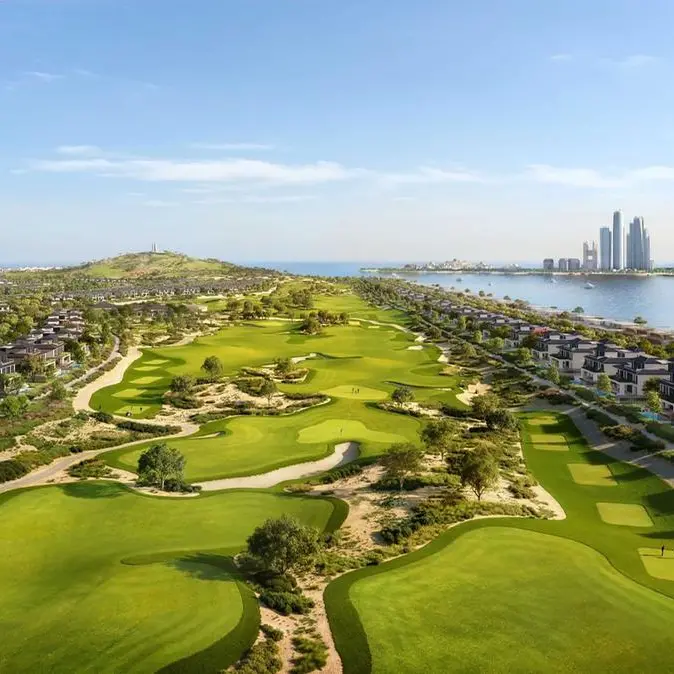
Authorities re-launched the Delphine Plan. Under this year's security roll-out, officials are stepping up patrols on 256 beaches, or nearly three-quarters of beaches where bathing is permitted. The National Gendarmerie is setting up 156 surveillance points to safeguard those beaches and surrounding areas as well as give holiday makers peace of mind.
The latest mobilisation comes as the tourism industry grapples with how to bounce back amid a slump brought on by insecurity in the Sahel. The deadly terror attack on the Tiguentourine gas complex in mid-January only complicated the recovery.
Algerian officials and tourism professionals held a conference in Algiers in mid-April to chart a new strategy for jump-starting this economic sector.
In the aftermath of the attack near In Amenas, Tourism Minister Mohamed Benmeradi reassured desert tour operators that no tourism development in southern Algerian would be cancelled as a result. He stated unequivocally that "the driving force of Algeria's entire tourism industry is the Sahara".
Industry insiders and tourism officials, nonetheless, have raised concerns about diminishing tourist numbers in the desert. In 2012, 706 foreign tourists visited Tamanrasset, compared with 1,807 in 2011, according to figures released by Tamanrasset Province Tourism Director Abdelmalek Moulay.
At the National Tourism Conference in Algiers on April 15th-16th, President Abdelaziz Bouteflika set the tone for two-day forum by saying that the industry needed to chart a broader strategy for success because Algeria's natural assets alone could not attract tourists.
For his part, Benmeradi told conference participants that tourism workers needed to rally behind the slogan "Tourism is the business of us all" in order to achieve medium and long-term goals.
The sector's first goal was to develop internal tourism by attracting the 1.9 million tourists who currently choose to spend to vacation abroad, he said. The second goal was to increase the number of foreign tourists who visit the country.
In 2012, some 250,000 European tourists visited Algeria. However, the tourism minister acknowledged the country suffered from a "lack of quality and capacity in terms of accommodation".
"It is essential to create new infrastructure and improve the quality of our services in order to attract more tourists," he said.
To achieve these goals, tourism professionals are implementing a strategy that will continue until 2025.
Participants concluded the conference by recommending a host of measures to boost the industry, including improving quality, supporting training efforts, modernising infrastructure, and regulating the industry.
"Although tourism isn't the country's biggest source of revenue, the impact of terrorism has been felt by professionals: when no one goes out any more and the beaches are deserted, there is inevitably a negative impact on establishments which cater to tourists," commented French teacher Nabila Arroudj.
Dali Menouar, the president of a cultural organisation in Bechar in southern Algeria, was unequivocal.
"Ever since the situation in the Sahel deteriorated, we have been feeling the consequences directly. A lot of tour operators have gone under," Menouar said. "Many people who were used to working on a seasonal basis found themselves out of work this year. There have been very few tourists this year, and the outlook appears to be bleak."
© Magharebia.com 2013