PHOTO
With the industry being at the center of Egypt’s economic growth and diversification plans, the evolution of technology is making it possible for the sector to work faster and more efficiently than before. To know more about the advancement in this area and its impact, Arab Finance held a one-on-one interview with Mostafa el Bagoury, CEO of Siemens in Egypt, as an integrated technology provider with over a century of experience in infrastructure solutions and automation.
The interview tackled the company’s performance amid the crisis, the market strength, volatility, and consumer shifts.
You assumed the position of CEO of Siemens in Egypt in June, what’s your vision and business strategy for the company?
While it is true that I’m the new CEO of Siemens in Egypt, I inherited a legacy that began with the company’s founder Werner von Siemens over 150 years ago. Visions and business strategies change with leadership, but our core philosophy is relatively static. We empower our customers with the equipment and software they need to build the factories, transportation systems, and infrastructure of the future.
My vision and strategy are to build on this heritage to provide the technologies Egypt needs as it moves forward in implementing its next phase of development, while protecting the environment as well as providing jobs and training for the country’s talented youth.
What’s the edge that makes Siemens different?
Our edge comes from having 240,000 colleagues, across more than 200 countries, with a singular mission of transforming the everyday.
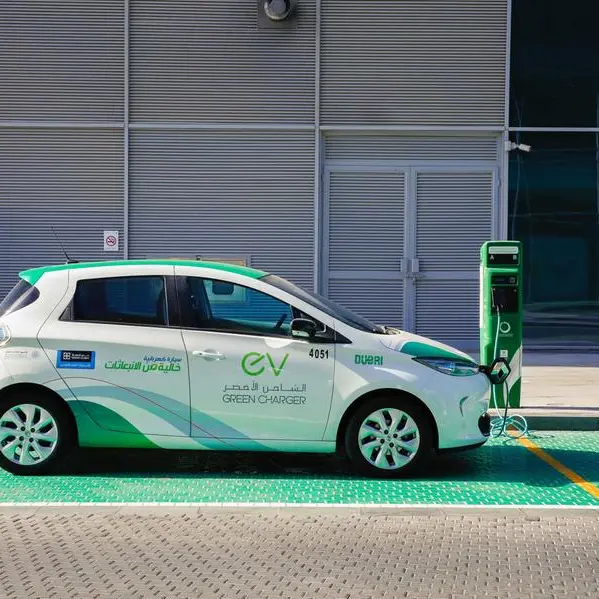
On top of that, our technology is everywhere. The cars we drive are designed with Siemens software, built-in factories automated by our technology, and future electric cars will be charged by our smart grids. In addition to this, offices and hospitals are equipped with Siemens smart infrastructure sensors and systems, and trains are made by Siemens. We work across industry, infrastructure, and transport, and this gives us unique insights and capabilities that make us the ideal partner for customers building a factory, or even new cities.
To what extent you adopt eco-friendly and sustainability concepts in your projects?
Our mission, set by our top global leadership and followed throughout the company, is to serve the society, and this is impossible without protecting the environment. Reducing emissions, boosting energy efficiency, and eliminating waste are not just the benefits of the technology we create, but rather the reason why our engineers and scientist make these solutions. Our customers, and their consumers, demand a sustainable future, and we work with them to tailor technologies that cater to their needs.
What are the key projects you are currently working on?
We have recently been awarded a contract to provide the command control and communication systems for a major transportation project tunnel. Other projects are related to supplying smart infrastructure solutions across the country, and we are working on new initiatives that you will hear about in the upcoming weeks or months.
Earlier this year, we signed a cooperation protocol with the Arab Organization for Industrialization to transfer our expertise in digitalization, technical training, and 4.0 industrialization mechanisms to Egypt.
In addition, Siemens signed in 2018 a memorandum of understanding with both the trade and education ministries to improve the competitiveness of the Egyptian industry by providing world-class digitization and automation solutions that upskill the industrial workforce. As part of ongoing support to Egypt Vision 2030, industrialization was identified as a central pillar of the country’s economic transformation strategy.
How did the pandemic affect your targeted profits?
Despite the challenges posed by the coronavirus pandemic, our global performance has been relatively strong. For the three months ended June 30, 2020, revenue declined 5% Year on Year to EUR 13.5 billion due to a slowdown in some industrial businesses.
What’s in the pipeline?
We have many potential projects in Egypt, from smart infrastructure to factory automation. But the greatest opportunities -no a secret to anyone- are the ongoing massive economic development projects across the country.
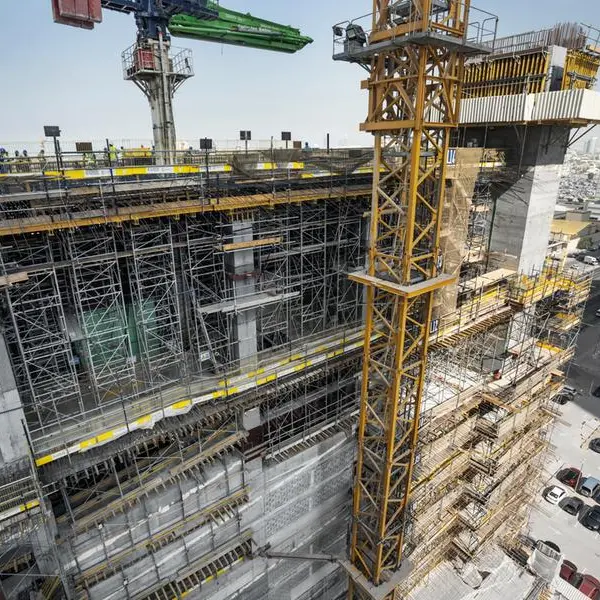
The New Administrative Capital only, for example, is worth $58 billion, and this eventual city of 6.5 million people in east Cairo will require new technologies to make it resilient to the present and future challenges.
How did the pandemic impact your operations? How are you managing to navigate such a storm?
There is no question that the pandemic affected our employees’ ability to operate normally. Moving people and equipment, especially across borders, was more difficult, and the closure of our offices and our customers’ facilities has a disruptive effect. But overall, as a technology company, we already had the tools to work remotely and to provide a high level of remote service to our customers, whether they operate factories or infrastructure.
Siemens provides equipment and software for critical infrastructure that keeps the country’s healthcare, energy, and industrial sectors functioning, and our services were never fully disrupted. The teams in Egypt, and across the world, devised methods to support our customers. We quickly deployed new solutions like the workplace app, Comfy, and sensors from Enlighted, an internet-of-things company that helps companies bring employees back to offices and factories safely.
To what extent has the industrial sector in general and Siemens in specific benefited from the government’s recent stimulus fiscal efforts?
The government responded with a stimulus package that has helped ease some of the pressure caused by the crisis, but there are constraints to what these measures can do to blunt the effects of a global pandemic. Even the wealthiest countries in the world are suffering, and we can’t expect developing countries to thrive in this environment. Still, the International Monetary Fund forecasts Egypt’s economy to grow 2% this year and next year, and this is a positive signal when most of the world is contracting.
How do you assess the performance of the industrial sector in Egypt? Moving forward, what’s your forecast?
The industrial sector is quite broad, and its performance ultimately depends on the end-user. In some areas, there are steep declines because a manufacturer’s customers either do not need the product or delaying the purchase decision. On the other hand, demand for food and medicine is not as impacted, and the need for protective gear and medical equipment to fight the pandemic has skyrocketed. Overall, it is still too early to assess performance and provide outlooks, but it is a challenging environment in both Egypt and the globe.
Egypt is implementing an industrialization plan to grow and diversify its economy and has set a target for its manufacturing sector to comprise 21% of its gross domestic product by 2020. To this effect, we introduced our latest smart solutions for the future of Industry 4.0 in Egypt last year. These products would help manufacturing companies to integrate and digitalize their discreet manufacturing processes, from product design and production planning to simulation, execution, and optimization, as a more efficient alternative to create a physical prototype.
How did the company support the country during the pandemic?
Siemens supports Egypt in providing the technology and services required to keep the country running, and we are proud of our role in doing so for over 100 years.
We recently concluded our “Best in Class” program that provided a 30-day virtual outreach to students from Egypt’s best universities this summer. Over 3000 applied, and 114 graduate last month.
The students demonstrated an impressive grasp of the technologies needed to design the smart cities and factories where we will live and work in future Egypt. It was exciting to witness their growth and ability to adapt to learning in new ways. The potential of the next generation of Egyptian engineers is extremely promising, and I am excited to see where their careers will lead to next.
We are currently working on initiatives aimed directly at the pandemic, and we will be announcing more soon.
How are Siemens and its digital solutions contributing to the country? How will this reflect on the economy, industry, and urban infrastructure?
Today, most of the world’s buildings and city infrastructure are not, technologically speaking, smart. Siemens is driving change in this sector, and we are deploying more advanced sensors that are connected to specialized software platforms that can detect and prevent fires, ensure the security of people and assets, and make the environment safe and comfortable for users.
In Egypt, Siemens is deploying the latest technologies that will make all-sensing infrastructure possible, and in this future, industries, infrastructure, and transportation networks will all communicate with each other to be more resilient and efficient.
As Egypt continues to adopt these solutions and invest in its economic development, it will build a robust economy that caters to the needs of its citizens and the environment for decades and centuries to come.
Copyright © 2020 Arab Finance Brokerage Company All rights reserved. Provided by SyndiGate Media Inc. (Syndigate.info).