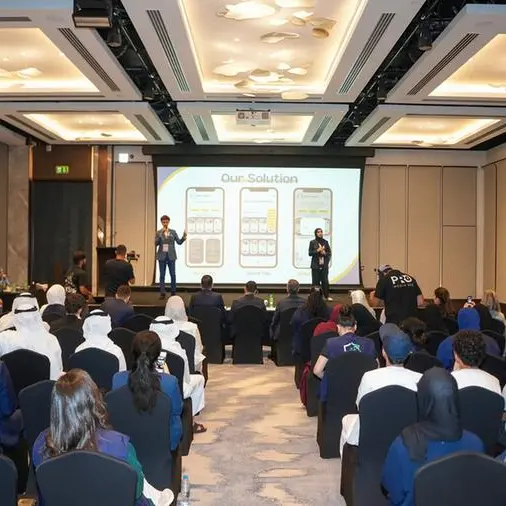
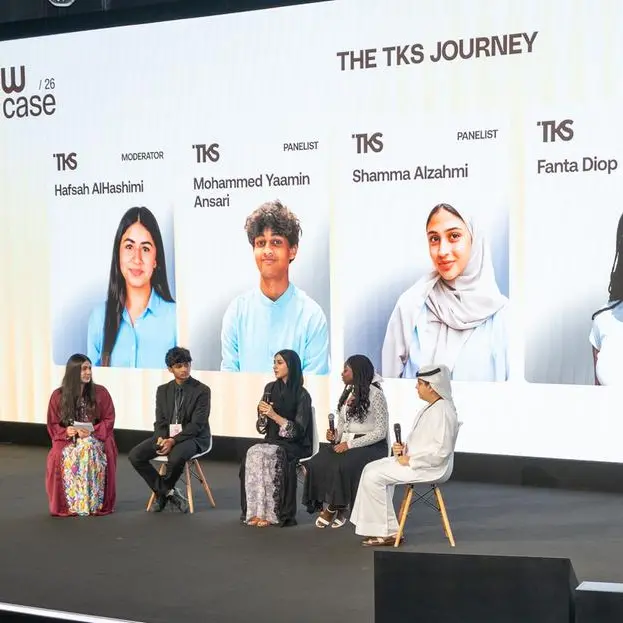
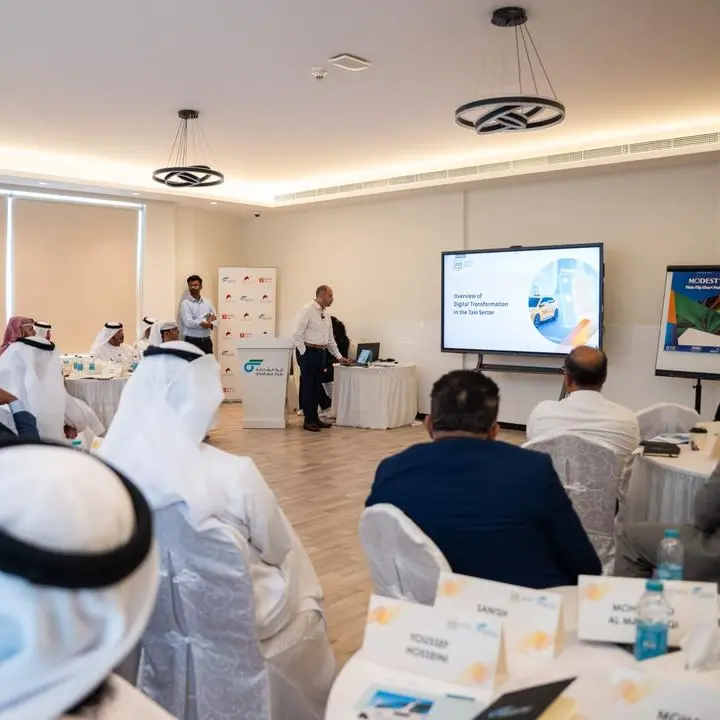
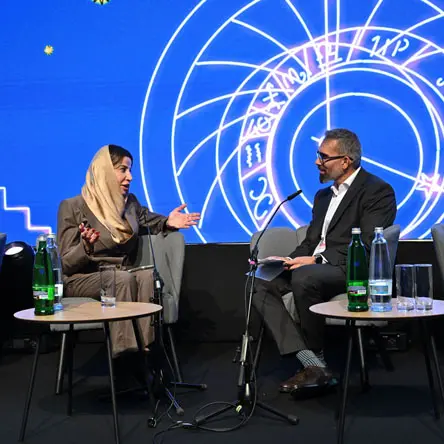
As part of the activities to mark World Wetlands Day 2012, Environment Department of Dubai Municipality on Wednesday held a seminar under the title Wetland Tourism: A Great Experience at 9.30 am in Dubai Falcon Museum.
Mohammed Abdul Rahman Hassan Abdullah, Head of Marine Environment & Wildlife Sanctuary Section during his presentation in the seminar said the World Wetlands Day' theme for 2012 is Wetland Tourism: A Great Experience and is linked to the theme for the next meeting of the Conference of the Parties, COP11: Wetlands, Tourism and Recreation, which will take place in July 2012, in Bucharest, Romania.
"Wetland tourism has benefits both locally and nationally for people and wildlife - benefits such as stronger economies, sustainable livelihoods, healthy people and thriving ecosystems. At least 35% of Ramsar Sites around the world record some level of tourism activity and this percentage is consistent throughout all regions. Of course it is important to consider tourism in all wetlands - not just those designated as Ramsar Sites - since the Contracting Parties to the Convention are committed to managing all wetlands," Abdul Rahman said.
"It is worth noting that tourism is only one of the services that wetlands deliver. Ensuring well-managed tourism practices in and around wetlands and educating tourists on the value of wetlands contributes to the health of the world's wetlands and the long-term benefits that wetlands provide to people, wildlife, economics, and biodiversity," he added.
Sheikha Al Mutawa, Director of Business Development and Chairman of Green Award at Dubai Tourism Department said with natural beauty and biodiversity wetlands make ideal locations for tourism. The income can be significant and support livelihoods locally and nationally. Wetlands provide other 'services' , too, such as water, food, water purification, erosion control ,etc., for the benefit of tourists and tourist accommodation.
"The income generated by tourism for national and local economies in and around wetlands can be substantial: the Broads in the UK supports the equivalent of 3,000 full-time jobs; over 1.6 million people visit the Great Barrier Reef every year, generating an income of over 1 billion AUS$. But - unsustainable tourism may bring short-term benefits but long-term losses to wetland health, compromising ecosystem services and sometimes local livelihoods," Sheikha said.
"According to the UN World Tourism Organization, in 2010 the number of international tourists reached something like 940 million and that figure is predicted to grow to around 1.6 billion by 2020 - that does not even count the significant numbers of domestic tourists or the many people who make short recreational trips. Since about half of these international tourists travel to wetlands of all types, it is clear that for the Ramsar Convention the reality is that tourism in wetlands is here to stay and will continue to grow," she added.
Elizabeth Stewart, Trust Manager at Ras Al Khaimah Wetland Trust, said globally, the economic activity generated by travel and tourism represents around 5% of GDP and an estimated 6-7% of the world's job. With half of international tourists traveling to wetlands of all types, but particularly in coastal areas, the tourism expenditure linked to wetlands can be estimated at around USD 925 billion each year (UNWTO).
"And Locally the Ras Al Khor Wildlife Sanctuary is a landmark in the Emirate of Dubai. Since its establishment in 1985 and its declaration as a Protected Area in 1998, the sanctuary has become a testament of the emirate's strong commitment to the conservation of its natural resources," Elizabeth said.
Through the years the environmental condition and the facilities of the sanctuary have improved, along with it is the increase of visitors in its hides. A steady increase was observed from the year the hides were opened in 2005.
The RAKWS hides have received almost 50,000 visitors from 114 countries. From 4,646 in 2005, the hides now receive an average of 10,000 visitors annually for the last three years.
In 2011, it catered almost 12,000 visitors from 86 countries. It has the most visitors during November with almost 3,000 individuals, 20% of which during the Eid Holidays. Most of the visitors come from India, the United Kingdom, Germany and Southeast Asia.
Cyberspace also has its share of visitors to the RAKWS. The sanctuary's website, www.wildlife.ae was launched in 2009. Since then more than 75,000 visitors have visited the site.
In 2010, the website was visited by 8,548 individuals. The frequency of visits gained momentum in 2011 with 34,235 visitors scanning its pages 5,000 times on an average per month.
The website is being visited more frequently when 2012 started. As of January 30, 2012 it has already been visited by more than 34,000 individuals.
Statistical reports showed that from December 29, 2011 to January 5, 2012, almost 2,500 individuals from 86 countries have visited the site in this eight-day period. Most of the surfers are from the United Arab Emirates, Vietnam, the United States of America, India, the United Kingdom, Czech Republic, Romania, Turkey, and Russia.
-Ends-
For further information:
Naseem K.M
Media Officer, Media Section
Dubai Municipality
Phone: +971 206 04 4654
Fax: +971 4 2232188
Mob: +971 551643870
Email: nkhamza@dm.gov.ae
© Press Release 2012