Quality of foreign investments will also add more stability with MSCI upgrade
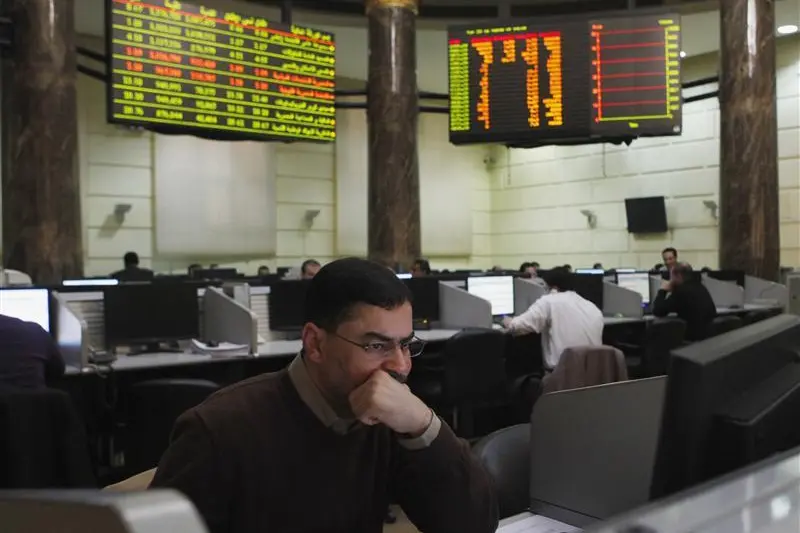
The UAE will see more local and regional companies going public in the medium term while the quality of foreign investments will also add more stability to local markets due to the inclusion in MSCI EM Index, said a Senior Executive Officer at Alpen Asset Advisors Limited.
TM Lakshmanan, Senior Executive Officer of Alpen Asset Advisors Limited, said: "The UAE's inclusion in the MSCI EM Index will lead to an increase in investors wanting to focus on the region, improvement in liquidity as well as enhance transparency.
"We believe one of the most significant potential benefits of MSCI's reclassification of the UAE as emerging markets could be an increase in portfolio flows from foreign institutional investors and passive or index-tracking investors. In the medium term, we believe increased exposure to international investment might be expected to lead to an increase in initial public offerings (IPOs) from local and regional names."
Morgan Stanley's upgrade of the UAE and Qatar markets from Frontier to Emerging Markets in its MSCI Compote Index from next month is expected to attract more FDI into the two Gulf states' stock markets. S&P Dow Jones Indices will also upgrade the two markets in September 2014.
Signs of increased interest in UAE equity markets have already begun to appear with higher investments recorded on Dubai bourse last week. Dubai Financial Market (DFM) announced that the value of shares bought by foreign investors reached Dh3.069 billion, while value of stocks they sold stood at Dh3.056bn, with net foreign investment on the market reaching Dh13.7 million during the period, as aggregate buy, during March 30 to April 3.
Lakshmanan told Emirates 24l7 that it is premature to quantify the immediate effects, which are subject to several variables. "It's not just the amount of the flow that is expected to come here, it's the quality of the flow with the increased attention from international institutional investors which will add more stability to local markets."
Commenting on the stocks benefiting most from the MSCI move, Lakshmanan said real estate, hospitality, insurance, banking and financials will be major beneficiaries as these sectors will dominate the trading and attract maximum foreign investment inflows this year.
Lakshmanan said the biggest challenge being faced by the GCC markets is the limits set for foreign investments into companies listed on these markets.
"We believe governments throughout the GCC, including newly reclassified Qatar and the UAE, likely to further liberalise access to their markets by raising foreign ownership limits for investors and adopting flexible legislative and regulatory frameworks.
"Governments have been pushing for increased private-sector participation in capital markets and encouraging local family businesses to turn into public shareholding companies listed on different exchanges. We have already seen a few Dubai listed companies such as Deyaar, Union Properties, Mashreq, Dubai Investments raising their foreign ownership limits and this is indeed a positive move," he added.
Lakshmanan expects both Dubai Financial Market and Abu Dhabi Stock Exchange to benefit from the inflows. Both are expected to merge in the near future and this will create the largest bourse in the Middle East after Saudi Arabia. The combined market value of companies listed on the two UAE bourses will be about $200 billion (Dh734 billion), or the same size as Turkey, but still less than half of about $480 billion (Dh1.76 trillion) in Saudi Arabia.
© Emirates 24|7 2014