A year on from the start of the Arab Spring and onlookers such as Jordan have suffered a downturn, but the Dubai honeypot continues to attract visitors, while Saudi Arabia and Qatar are poised for growth. Kathi Everden reports.
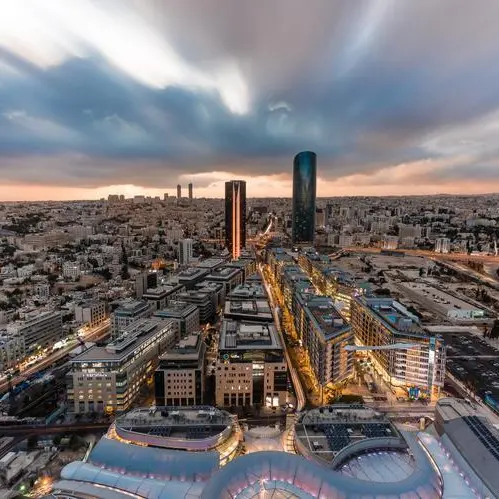
The figures speak for themselves: cancellations and a drop in regional traffic has cost the Jordanian economy an estimated $1bn according to the tourism minister, Nayyef Al Fayyes; Egyptian tourism revenues fell by one-third last year, compared to 2010, with visitor figures down by 33 per cent - and pure tourist numbers are estimated to have decreased by close to 50 per cent.
International arrivals to Syria are in freefall, while Bahrain has experienced the biggest demand decline across the GCC, with hotel occupancies down by 37.6 per cent and average daily rates falling by 12.9 per cent, according to figures for 2011 from STR Global.
Elsewhere, Kuwait occupancies were up 10.7 per cent for 2011 - a lack of new openings helping existing properties - while in Doha, a 13 per cent increase in hotel numbers was matched by demand growth at a similar level, and for Beirut, occupancies dropped by 12.2 per cent.
The beneficiaries of the Arab Spring are KSA and the UAE, the former offering a tempting mix of domestic travel, faith-based tourism and solid commercial growth that is increasingly attracting international hotel investors and operators - while the latter has two dynamic engines of growth in Abu Dhabi and Dubai, as well as ancillary sector opportunities in Fujairah, Ras Al Khaimah, Sharjah and Ajman.
Overall, according to the World Travel & Tourism Council (WTTC), growth in the Middle East this year will average three per cent, with Qatar predicted as star performer with forecast growth of 13.2 per cent.
With a decade-long boost in infrastructure there predicated on the staging of the 2022 FIFA World Cup, the emirate has 77 hotels and 42 hotel apartments with more than 7,300 rooms in the pipeline, a 70 per cent increase on current inventory - this following 35 new properties that opened in the second half of 2011.
In total, STR Global data highlights nearly 500 hotels in development across the Middle East and Africa, including 25,398 additional rooms in Saudi Arabia, 44,056 rooms in the UAE and 4,500 in Oman.
With more than 13 million visitors to Saudi Arabia in 2011, and 9.3 million to Dubai, as well as 2.1 million hotel guests in Abu Dhabi, the prospects are bright for future growth, particularly given the heavyweight presence of Gulf airlines that are accelerating network and fleet expansion undaunted by rising fuel costs.
Qatar Airways, operating 105 aircraft to 112 destinations, has announced plans to add 11 new destinations this year, including Kilimanjaro, Belgrade, Yangon, Kigali, Perth, Mombasa, Helsinki, Baghdad and Erbil.
Emirates, meanwhile, flies to 122 cities from Dubai, having launched services to Rio de Janeiro, Buenos Aires, Dublin, Dallas and Seattle earlier this year, and announced operations to Washington DC starting September - the airline will also begin flights to Ho Chi Minh City, Barcelona and Lisbon later this year.
From Abu Dhabi, national carrier Etihad has a network of 83 passenger and cargo destinations, a fleet of 66 aircraft and a further 100 on order, as well as having bought nearly 30 per cent of airberlin and 40 per cent of Air Seychelles.
This bullish growth, which contributed to the 7.6 per cent growth in air traffic through the UAE last year, has opened new markets such as China and South America, helping to alleviate any slowdown in visitor figures from traditional sources such as Europe.
In addition, huge expansion of low-cost airlines such as flydubai and Air Arabia has boosted regional travel and the market for short breaks and city stays, as well as facilitating more business travel between gateway cities.
Air Arabia currently serves more than 70 destinations worldwide from three hubs in Sharjah, Alexandria and Casablanca, and achieved a six per cent increase in passenger numbers in 2011, reaching 4.7 million.
flydubai, meanwhile, boasts a network of 50 destinations and 21 aircraft. It was set up in June 2009.
© Gulf Marketing Review 2012