In Bahrain, the performance of the office market in 2Q11 was similar to that in 1Q11 and 4Q10 as the country still struggles with oversupply in office space. Rents remained under pressure in 2Q11 as a result of the political instability that hit the country in 1Q11. Average office occupancy rates is estimated to range between 60% and 70%, with approximately 300,000 sqm of built stock vacant in addition to 200,000 sqm of leasable space under construction. The retail market also remains oversupplied and its performance is expected to worsen in 2011 given the current turmoil and the associated slowdown in consumer spending. The residential market followed a similar pattern as it suffered from falling asset prices and rents with new supply entering the market in areas like Juffair, Seef and Sanabis. On the other hand, the pent-up demand for affordable housing is still persistent in the country. This has prompted the government to take measures such as the launch of the new housing scheme worth BHD2.5 billion launched in 1Q11 along with plans to construct 50,000 social housing units, to be completed over the next three years.
In Kuwait, the residential segment maintained its position as the most buoyant segment in Kuwait's reality market. The private housing segment remained active amounting for 55% of total transactions value in 2Q11, similar to the same share in 1Q11 with a 19% increase in the number of transactions. The increase was associated with a significant 52% increase in transaction value at KD527 million up from KD347 million in 1Q11. The overall trend remains in favor of strong demand for residential housing by Kuwaiti nationals. The investment segment share of total transactions dropped from an active 39% in 1Q11 to 34% in 2Q11 despite of the increase of the number of transactions 28% QoQ to 488 up from 381 in 1Q11. The value of transactions also increased 21% QoQ to KD329 million up from KD271 million. Demand for investment buildings remains buoyant with occupancy rates registering healthy levels averaging between 90-95%. The commercial segment, however, continues to suffer from oversupply with vacancy rates hovering around 20-25% as in 1Q11. Selling prices for some selective commercial space continued to report minor increases in prices during the quarter as a result of increasing demand after several slow quarters.
In Oman, residential rentals continued to decline in 2Q11 with industry sources putting the year to date average rental decline at 15%. Apartment rents for higher end properties continued to ease faster than that for affordable housing reflecting the discrepancy in demand and supply in the market. Rents in the office market continued to witness a declining trend as demand softens significantly following the pattern that started since 2008. Supply of grade A office space still lags behind that of lower grades and is renting at a significant premium that could reach up to 33%. An additional 158,000 sqm of grade A space is currently in the pipelines and is expected to be delivered over the upcoming year exerting further pressure in the office market.
The residential market in Qatar continued to show signs of stabilization in 2Q11 after a mixed performance in the previous quarter with rental prices still hovering around their 4Q10 levels in most areas with minor changes on both sides. The villa rental market followed a similar pattern with prices in most areas unchanged from 1Q11. Activity in the property sales market is still muted due to the large disparity between buyer's expectations and sellers quoted prices. In the office market, with new projects being delivered, the amount of office space in the market remains abundant and is unmet by the existent demand. Total office space in Doha is currently estimated at around 3.2 mn sqm, and it is estimated that 30 high rise office towers are currently under construction in the Central Business District. Average office monthly rents during 2Q11 dropped 3% from 1Q11 levels.
In Saudi, the office market followed a similar pattern as in the rest of the GCC as its performance continued to be pressured downwards by new supply and low take up rates in the two major markets of Riyadh and Jeddah. Vacancy rates remain at an average of 5% in Jeddah, where the market suffers from undersupply of grade A over the past few years, and 15% in Riyadh, which suffers from significant oversupply in the office market. The residential segment is still the most lucrative exposure as demand significantly outpaces supply on growing population, business activity and an inherent shortage of residential units. According to SAMA's 2Q11 inflation report, the index for housing rents and related items surged by 7.2% YoY in Saudi Arabia during the quarter after an 8.2% YoY increase in 1Q11.
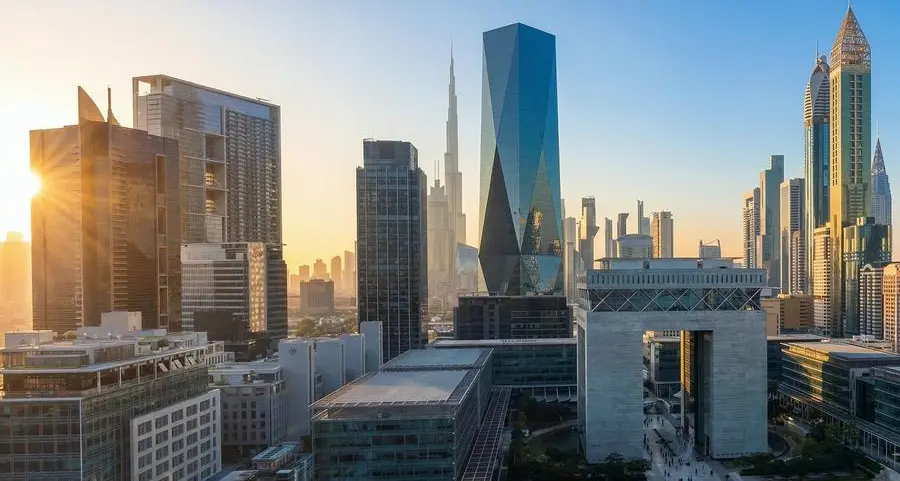
Dubai apartment rents decreased 2% in 2Q11 following a 2% decline in 1Q11 over the previous quarter while villa rents maintained their 1Q11 levels without any significant declines after a 1% drop in 4Q10. Selling prices, however, dropped 3% for Dubai apartments led by Downtown Dubai, which dropped 8% QoQ and DIFC down 7% on new supply. Villa selling prices in established areas with average sizes across Dubai maintained their levels of the past two quarters while villas of larger size and/or new supply entering the market have dropped by 3-5% in 2Q11. In Abu Dhabi, rents of both apartments and villas declined at a fast pace, negatively affected by new deliveries during the quarter. Apartment rents dropped another 8% in 2Q11, same as 1Q11 compared to 7% in 4Q10 while villa rents dropped modestly on selective demand for ready to move in properties. The office market remains under pressure in both markets on the back of relentless oversupply and feeble business demand. In Dubai, office rents dropped 6% over the previous quarter led by Dubai Investment Park down 15% and JLT down 12%.City wide vacancy rates remained at around 45%. Average rents dropped around 2% after dropping 10% in 1Q11. In Abu Dhabi, office rents dropped 4% after 9% in 1Q11 with Grades B and C continuing their underperformance as tenants upgrade to better office space at affordable prices while selling prices moved down 3%.
No new addition to Dubai retail space took place after the 530,000 sqf new supply in 1Q11 in and around DIFC. Vacancy rates citywide remained around 20% on average while rental values maintained 1Q11 after dropping 9% in the previous quarter. Abu Dhabi didn't witness any change in the retail segment as grade A supply remained limited with no additions in 2Q11 and accordingly vacancy rates are still low. Occupancy rates are higher in scattered retail outlets attached to older buildings in residential areas. Rents are expected to soften, however, as of 2H11 on new supply entering the market.
-Ends-
© Press Release 2011