19 July 2011
With political instability resulting in massive outflows in the first half of 2011, the MENA mutual funds industry is looking to strong macros and good corporate performance for a second-half bounce, writes Hussam Muhieddine, Zawya's Research Associate for Mutual Funds.
The first half of 2011 wasn't an easy ride for the mutual funds industry in the Middle East and North Africa, as political turmoil made investors skeptical about investing in a region that holds great potential with a young dynamic population and a huge reserve of natural resources.
With more than USD51 billion in assets under management (AUM) by the end of 4Q2010, the region accounted for a very small portion of the volume of the global funds industry, which stood at USD24.70 trillion.
Nevertheless, for a region with a weighting of 60% in the MSCI Frontier Markets Index and with a total GDP of USD1.5 trillion at the end of 2010, the potential growth for the mutual funds industry in the region was huge. Expected growth rates for 2011 seemed promising, exceeding those of developed countries. All these factors combined, made the region an attractive hot spot for foreign investors.
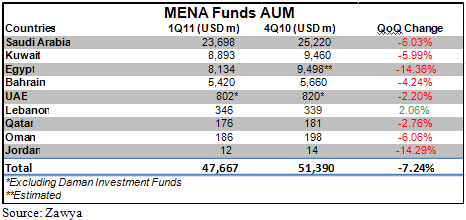
The chain of political events that began in January 2011 militated against optimism and resulted in a wave of outflows from regional funds. By the end of 1Q2011, the volume of AUM in the Middle East was down 7.24% to USD47.67 billion compared to the previous quarter.
Egypt: The perfect storm
Egypt witnessed the largest losses. In the first quarter of 2011, mutual funds in Egypt lost more than USD1.3 billion in AUM with investors fleeing the local market after political uncertainty and instability forced the stock market to close for nearly eight weeks and threatened Egypt's spot in the MSCI Emerging Markets Index. Despite some signs of recovery, Egyptian equity funds were positioned among the top losers in terms of year-to-date returns according to Zawya Funds Monitor's database as at June 30, 2011.
In order to support the Egyptian economy and encourage retail investors to invest in the stock market, four funds were launched during 2Q2011 with a low minimum investment amount and with no eligibility restrictions. According to Dr. Essam Khalifa, Managing Director at El Ahly Fund Management, the recent turmoil created attractive investment opportunities, "but the index will not achieve a big change until the end of the third quarter of 2011". By the end of the first quarter of the year, the mutual funds industry in Egypt had USD8.13 billion under management with 71 domiciled mutual funds.
Saudi Arabia: Strong foundation
Saudi Arabia has the largest mutual funds market in the region with more than 243 funds domiciled in the kingdom having USD23.70 billion of AUM as at the end of March 2011. The country also is home to some of the most important players in the region in terms of AUM with some of them managing multi-billion-dollar portfolios. The market was affected by the turmoil in the region and mutual funds witnessed a strong decline in net asset value (NAV) to reach their lowest point towards the beginning of March 2011. But as commerce and business in the kingdom was unhindered and with clear signs of government support providing comfort to investors, Saudi funds were able to quickly turn their performance indicators green and ended the first quarter almost without any losses.
During the second quarter of 2011, Saudi funds continued their upward trend as the Saudi stock market flourished with support from high oil prices and strong growth expectations. Some sector funds outperformed the market, especially those focused on petrochemicals and cement, while others focused on the financial sector suffered heavy losses compared to their local peers by the end of the second quarter in terms of YTD returns.
During the first half of 2011, the Capital Market Authority announced the approval of 26 new mutual funds, most of them focused on the Saudi market with some others focused on regional or international markets.
UAE: Waiting for MSCI
Mutual funds in UAE underperformed emerging and frontier markets during 2010 and the situation did not get any better in the first half of 2011. By the end of 2Q2011, the gross return recorded by UAE equity funds -year to date was a negative 4.31%, according to Zawya Funds Monitor. The first half did not witness the launch of any UAE-focused funds.
The inclusion of the UAE in the MSCI Emerging Markets Index would have helped the market attract foreign investment, but as the decision was postponed until December, the funds industry was unable to bounce back. On July 12, 2011, S&P announced that UAE is among other regional markets under review for a potential upgrade to emerging market status. If the upgrade takes place, fund managers who benchmark their funds to emerging market indexes will have to allocate funds to the local market, thus increasing liquidity. As of March 31, 2011, UAE had 31 domiciled funds with USD802 million under management.
Qatar: The Cup that cheers
After winning the bid to host the 2022 FIFA World Cup, Qatar's funds industry recorded high returns during January, and maintained positive gross YTD returns until early March when it registered the first negative performance. Despite the later rebound, Qatari equity funds failed to finish the first half 2011 above 4Q2010 levels.
Qatar was also part of the review conducted by MSCI for an upgrade to emerging market status which was postponed to December, and it was included in S&P's review as well. Any upgrade is essential to the relatively small mutual fund market as it will increase liquidity.
Kuwait: A radical change
The 86 mutual funds domiciled in Kuwait at the end of 1Q2011 managed USD8.90 billion, a 6% decrease from 4Q2010 levels. In March, the new financial markets law went into effect. There were mixed reviews about the law, with some embracing it as promoting transparency and increasing confidence in Kuwaiti markets, while others saw it as a complication for mutual funds which will have to elaborate a more complex asset allocation strategy under the new investment restrictions and taxes.
Bahrain: Battling turmoil
As of 1Q2011, 130 mutual funds were domiciled in Bahrain with AUM nearing USD5.50 billion, a 4.24% decrease from 4Q2010 levels. So far, the recent turmoil witnessed by the island doesn't seem to have significantly affected the role it has been playing in the funds industry.
Oman: Trouble within
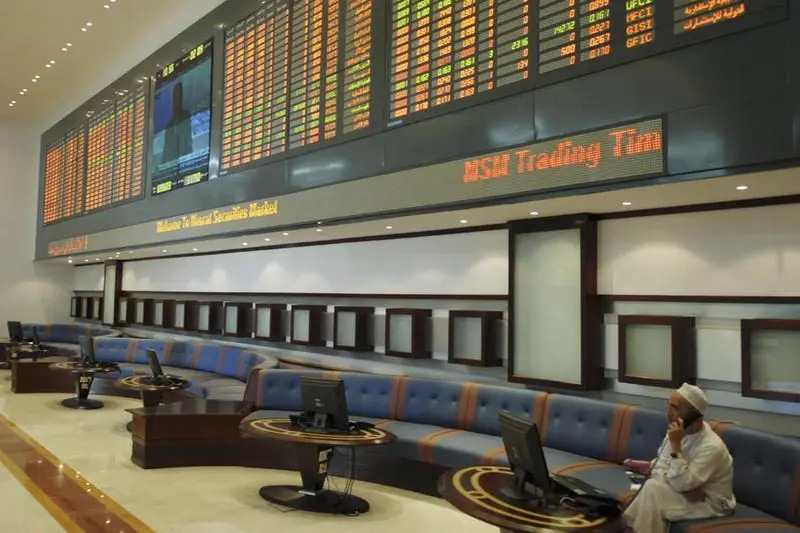
Oman, the other GCC country that witnessed disorder, lost 6% in AUM during the first quarter of the year. After a strong start during the first two months of 2011, the gross return of Omani equity funds fell dramatically throughout the second quarter with losses nearing 10%.
The country hosted 10 domiciled funds by the end of June 2011. One new domiciled fund was launched in April focusing on the GCC and another fund domiciled in Saudi Arabia focusing on the Omani market was launched in February.
Levant: Passive market
Lebanon and Jordan, with 13 and three domiciled funds, respectively, did not witness any noticeable mutual funds activity during the first half of 2011 with AUM in Lebanon reaching USD346 million by the end of March 2011 focused mainly on Lebanese fixed income securities. In Jordan, another candidate for the S&P review, AUM of domiciled funds were at USD12 million, down USD2 million from the previous quarter.
Iraq: Waiting for investors
Iraq does not host any mutual funds on its soil, but funds focusing on the country are performing very well with figures reaching double-digits for some of them. With one of the biggest oil reserves in the world, Iraq offers great investment opportunities as the country proceeds on the path of reconstruction. This implies that more companies will be established in order to fulfill production and services requirements.
With more Iraqi companies listed on the stock market, collective investment schemes will be launched to take advantage of the opportunities. But equity is not the only asset type that might attract mutual funds to Iraq; some international mutual funds have already included Iraqi bonds in their portfolios, which means the country enables a diversified allocation of assets.
Summary
The negative performance of the mutual funds industry in the MENA region during the first half of 2011 did not reflect the long-term growth prospects, only the short-term political instability. The first milestone of the second half of 2011 will be the 2Q2011 corporate results, which are expected to be a catalyst for the market as well as the mutual funds industry.
For Further information on MENA Mutual Funds, visit Zawya Funds Monitor
Zawya 2011
With political instability resulting in massive outflows in the first half of 2011, the MENA mutual funds industry is looking to strong macros and good corporate performance for a second-half bounce, writes Hussam Muhieddine, Zawya's Research Associate for Mutual Funds.
The first half of 2011 wasn't an easy ride for the mutual funds industry in the Middle East and North Africa, as political turmoil made investors skeptical about investing in a region that holds great potential with a young dynamic population and a huge reserve of natural resources.
With more than USD51 billion in assets under management (AUM) by the end of 4Q2010, the region accounted for a very small portion of the volume of the global funds industry, which stood at USD24.70 trillion.
Nevertheless, for a region with a weighting of 60% in the MSCI Frontier Markets Index and with a total GDP of USD1.5 trillion at the end of 2010, the potential growth for the mutual funds industry in the region was huge. Expected growth rates for 2011 seemed promising, exceeding those of developed countries. All these factors combined, made the region an attractive hot spot for foreign investors.
The chain of political events that began in January 2011 militated against optimism and resulted in a wave of outflows from regional funds. By the end of 1Q2011, the volume of AUM in the Middle East was down 7.24% to USD47.67 billion compared to the previous quarter.
Egypt: The perfect storm
Egypt witnessed the largest losses. In the first quarter of 2011, mutual funds in Egypt lost more than USD1.3 billion in AUM with investors fleeing the local market after political uncertainty and instability forced the stock market to close for nearly eight weeks and threatened Egypt's spot in the MSCI Emerging Markets Index. Despite some signs of recovery, Egyptian equity funds were positioned among the top losers in terms of year-to-date returns according to Zawya Funds Monitor's database as at June 30, 2011.
In order to support the Egyptian economy and encourage retail investors to invest in the stock market, four funds were launched during 2Q2011 with a low minimum investment amount and with no eligibility restrictions. According to Dr. Essam Khalifa, Managing Director at El Ahly Fund Management, the recent turmoil created attractive investment opportunities, "but the index will not achieve a big change until the end of the third quarter of 2011". By the end of the first quarter of the year, the mutual funds industry in Egypt had USD8.13 billion under management with 71 domiciled mutual funds.
Saudi Arabia: Strong foundation
Saudi Arabia has the largest mutual funds market in the region with more than 243 funds domiciled in the kingdom having USD23.70 billion of AUM as at the end of March 2011. The country also is home to some of the most important players in the region in terms of AUM with some of them managing multi-billion-dollar portfolios. The market was affected by the turmoil in the region and mutual funds witnessed a strong decline in net asset value (NAV) to reach their lowest point towards the beginning of March 2011. But as commerce and business in the kingdom was unhindered and with clear signs of government support providing comfort to investors, Saudi funds were able to quickly turn their performance indicators green and ended the first quarter almost without any losses.
During the second quarter of 2011, Saudi funds continued their upward trend as the Saudi stock market flourished with support from high oil prices and strong growth expectations. Some sector funds outperformed the market, especially those focused on petrochemicals and cement, while others focused on the financial sector suffered heavy losses compared to their local peers by the end of the second quarter in terms of YTD returns.
During the first half of 2011, the Capital Market Authority announced the approval of 26 new mutual funds, most of them focused on the Saudi market with some others focused on regional or international markets.
UAE: Waiting for MSCI
Mutual funds in UAE underperformed emerging and frontier markets during 2010 and the situation did not get any better in the first half of 2011. By the end of 2Q2011, the gross return recorded by UAE equity funds -year to date was a negative 4.31%, according to Zawya Funds Monitor. The first half did not witness the launch of any UAE-focused funds.
The inclusion of the UAE in the MSCI Emerging Markets Index would have helped the market attract foreign investment, but as the decision was postponed until December, the funds industry was unable to bounce back. On July 12, 2011, S&P announced that UAE is among other regional markets under review for a potential upgrade to emerging market status. If the upgrade takes place, fund managers who benchmark their funds to emerging market indexes will have to allocate funds to the local market, thus increasing liquidity. As of March 31, 2011, UAE had 31 domiciled funds with USD802 million under management.
Qatar: The Cup that cheers
After winning the bid to host the 2022 FIFA World Cup, Qatar's funds industry recorded high returns during January, and maintained positive gross YTD returns until early March when it registered the first negative performance. Despite the later rebound, Qatari equity funds failed to finish the first half 2011 above 4Q2010 levels.
Qatar was also part of the review conducted by MSCI for an upgrade to emerging market status which was postponed to December, and it was included in S&P's review as well. Any upgrade is essential to the relatively small mutual fund market as it will increase liquidity.
Kuwait: A radical change
The 86 mutual funds domiciled in Kuwait at the end of 1Q2011 managed USD8.90 billion, a 6% decrease from 4Q2010 levels. In March, the new financial markets law went into effect. There were mixed reviews about the law, with some embracing it as promoting transparency and increasing confidence in Kuwaiti markets, while others saw it as a complication for mutual funds which will have to elaborate a more complex asset allocation strategy under the new investment restrictions and taxes.
Bahrain: Battling turmoil
As of 1Q2011, 130 mutual funds were domiciled in Bahrain with AUM nearing USD5.50 billion, a 4.24% decrease from 4Q2010 levels. So far, the recent turmoil witnessed by the island doesn't seem to have significantly affected the role it has been playing in the funds industry.
Oman: Trouble within
Oman, the other GCC country that witnessed disorder, lost 6% in AUM during the first quarter of the year. After a strong start during the first two months of 2011, the gross return of Omani equity funds fell dramatically throughout the second quarter with losses nearing 10%.
The country hosted 10 domiciled funds by the end of June 2011. One new domiciled fund was launched in April focusing on the GCC and another fund domiciled in Saudi Arabia focusing on the Omani market was launched in February.
Levant: Passive market
Lebanon and Jordan, with 13 and three domiciled funds, respectively, did not witness any noticeable mutual funds activity during the first half of 2011 with AUM in Lebanon reaching USD346 million by the end of March 2011 focused mainly on Lebanese fixed income securities. In Jordan, another candidate for the S&P review, AUM of domiciled funds were at USD12 million, down USD2 million from the previous quarter.
Iraq: Waiting for investors
Iraq does not host any mutual funds on its soil, but funds focusing on the country are performing very well with figures reaching double-digits for some of them. With one of the biggest oil reserves in the world, Iraq offers great investment opportunities as the country proceeds on the path of reconstruction. This implies that more companies will be established in order to fulfill production and services requirements.
With more Iraqi companies listed on the stock market, collective investment schemes will be launched to take advantage of the opportunities. But equity is not the only asset type that might attract mutual funds to Iraq; some international mutual funds have already included Iraqi bonds in their portfolios, which means the country enables a diversified allocation of assets.
Summary
The negative performance of the mutual funds industry in the MENA region during the first half of 2011 did not reflect the long-term growth prospects, only the short-term political instability. The first milestone of the second half of 2011 will be the 2Q2011 corporate results, which are expected to be a catalyst for the market as well as the mutual funds industry.
For Further information on MENA Mutual Funds, visit Zawya Funds Monitor
Zawya 2011