PHOTO
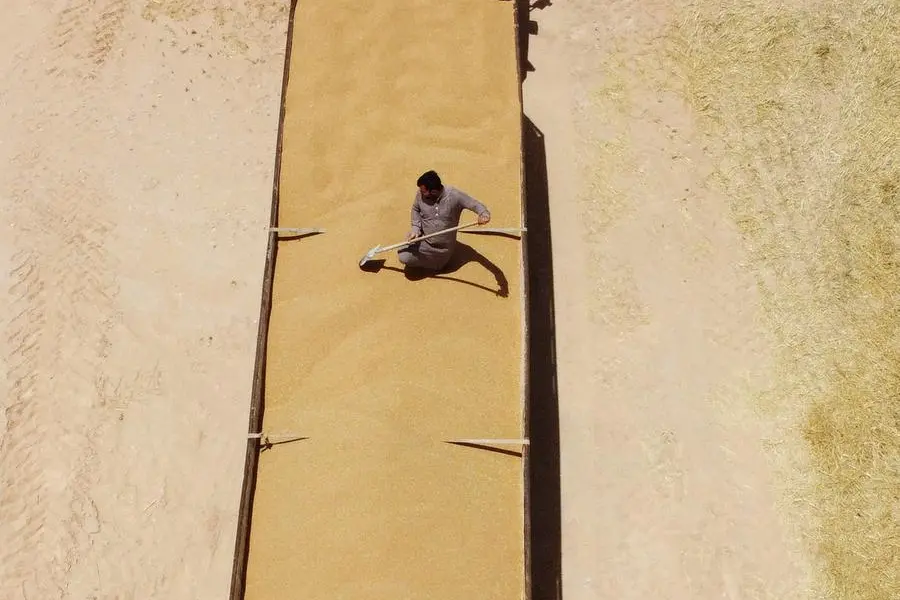
Iraq's wheat output for the 2025–2026 season is expected to reach up to 5 million metric tons, keeping the country on track for self-sufficiency, the deputy agriculture minister said.
Mahdi Sahar al-Jubouri said production was forecast at 5 million tons after around 8 million dunams of farmland were cultivated nationwide. A dunam is roughly a quarter of an acre.
"Based on current production levels, Iraq will not need to resort to imports," Jubouri said, adding the harvest would mark a fourth consecutive year of wheat self-sufficiency.
Much of the crop relied on rainfall and well water rather than river irrigation, reflecting favourable weather conditions during the growing season - a key boost to yields despite persistent water scarcity.
The water resources ministry said strategic reserves rose by about 6 billion cubic metres this year, giving authorities more flexibility to manage summer demand.
Iraq has long sought to boost domestic wheat production to cut imports and bolster food security. Improved rainfall has also lifted reservoir levels after years of drought and declining river flows.
Despite the strong outlook, Iraq has cut the price it pays farmers for wheat to 700,000 dinars ($535) per ton from 850,000 dinars last season, citing an economic crisis, Jubouri said.
The cabinet decided in May to lower the subsidised procurement price as the U.S.-Israeli war on Iran strained state finances and curbed oil revenues following the closure of the Strait of Hormuz, officials said.
The move has drawn complaints from farmers, who say the lower price does not cover rising costs.
"The prices are unfair and unrealistic. How did you factor in the cost of fertilisers, pesticides, and seeds to set the price at 700,000?” said farmer Kadhim Obaid near Najaf.
Officials say the reduced rate still exceeds global market levels. Iraq has long paid more than international prices to encourage wheat cultivation in its arid climate, and Jubouri said the current price should continue to support production.
(Reporting by Muayad Hameed. Writing by Ahmed Rasheed. Editing by Mark Potter)