PHOTO
The Federal Ministry of Environment, in strategic partnership with Premium Blue Economy Innovation and Investment Ltd, will highlight Nigeria’s entry into innovative waste-to-energy technology with the first-ever technical demonstration of plastic-to-Ultra Low Sulphur Diesel (ULSD) conversion in the country.
The landmark event, scheduled for Tuesday, October 28, 2025, from 10:00 a.m. to 1:00 p.m. at the Ministry’s Conference Hall, Green Building, Aguiyi Ironsi Street, Maitama, Abuja, represents a significant milestone in Nigeria’s clean energy transition and circular economy development.
The one-day technical workshop will bring together key stakeholders including government agencies, industry leaders, financial institutions, and environmental experts to explore partnership opportunities and develop national scale-up strategies for this innovative technology.
Transforming Waste into Wealth, Mr. Olushola Gegele, CEO of Premium Blue Economy Innovation and Investment Limited, emphasized the initiative’s alignment with President Bola Ahmed Tinubu’s Renewed Hope Agenda, stating: “The plastic-to-diesel project represents a new frontier in sustainable development — where waste becomes wealth, innovation drives clean energy, and environmental stewardship fuels economic empowerment.”
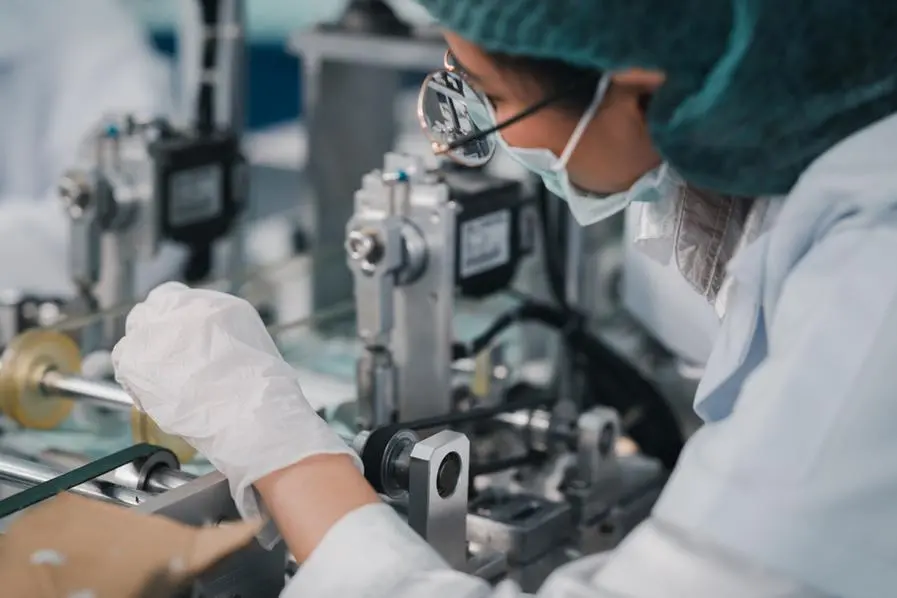
The demonstration will display advanced pyrolysis and refining technologies capable of converting plastic waste into clean, ultra-low sulphur diesel suitable for industrial operations, marine engines, and backup generators.
The initiative promises comprehensive benefits across environmental, economic, and social dimensions, embracing a technology capable of reducing plastic accumulation in landfills and waterways while cutting methane and toxin emissions, addressing Nigeria’s growing plastic pollution challenge.
By producing low-emission diesel alternatives, the project supports Nigeria’s clean fuel policies and reduces dependency on imported petroleum products.
The initiative will also create sustainable income streams through waste collection, sorting, and processing networks, particularly benefiting local communities.
Besides, the project is designed to engage youth and entrepreneurs in recycling, technology operations, and coordination under a sustainable business framework.
The clean diesel will supply heavy industries including cement, steel, mining, and marine transport sectors, helping reduce their carbon footprint.
Gegele described the collaboration as establishing “a national blueprint for regenerative industrialization,” explaining: “Our goal is to help Nigeria transition from waste management to resource management. Every bottle, bag, and plastic residue is potential fuel, income, and innovation waiting to happen.”
The demonstration marks the beginning of plans to establish modular plastic-to-diesel hubs across Nigeria’s six geopolitical zones, providing localised energy security and inspiring a new generation of green entrepreneurs.
The initiative strengthens Nigeria’s Extended Producer Responsibility framework and is expected to attract green financing for waste-to-energy enterprises, positioning the country as a leader in sustainable industrial innovation in West Africa.
The Federal Ministry of Environment extends an open invitation to public and private institutions, investors, researchers, and policy experts to attend the technical session and explore collaboration opportunities for nationwide scaling of this innovation.
This pioneering initiative represents Nigeria’s commitment to environmental sustainability, clean energy transition, and innovation-driven development under the Renewed Hope Agenda, setting a precedent for other African nations to follow.
Copyright © 2022 Nigerian Tribune Provided by SyndiGate Media Inc. (Syndigate.info).