PHOTO
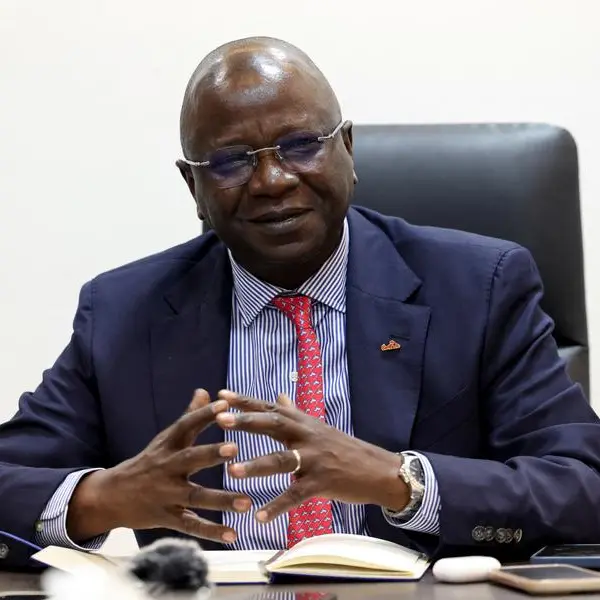
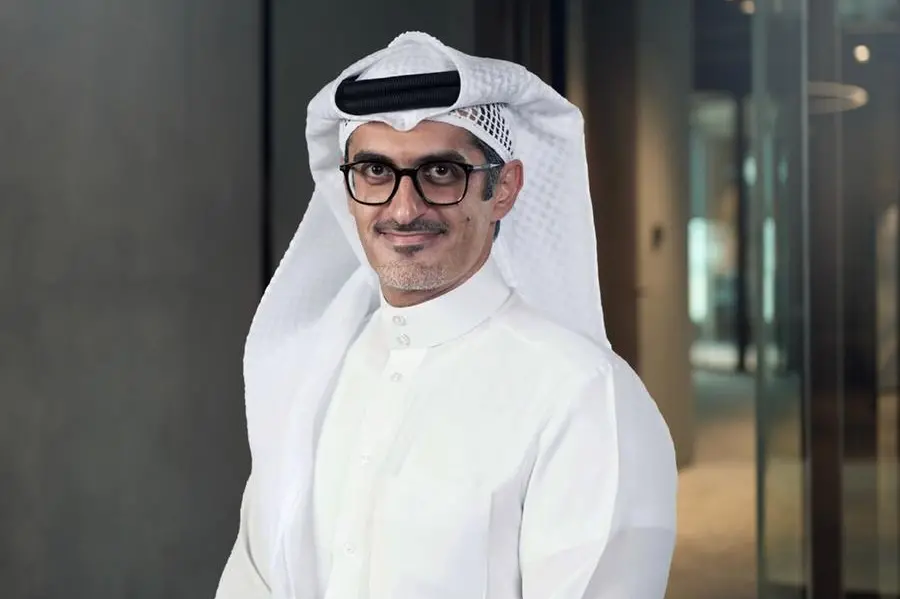
Sidi Ould Tah began his term at the helm of the African Development Bank (AfDB) this week with a pledge to cut red tape at the continental lender and speed up project approvals.
Tah, a Mauritanian economist, won the AfDB presidential race with a record 77 percent of the total votes in the elections held in May, and was sworn in on Monday, taking over from Nigeria’s Akinwumi Adesina.
While his vision for the bank and the continent is similar to that of his predecessors, it hinges on reforms aimed at reducing bureaucracy at the AfDB and accelerating the bank’s project financing.
In his inaugural speech, Dr Tah promised to initiate a raft of reforms at the bank within his first 100 days that will “improve our speed of operation, enhance our execution and cut through bureaucratic bottlenecks.”“The African Development Bank Group cannot aim to be everything to everyone,” he said during his swearing-in address.
“It must focus on how it can move the needle most effectively, always in a spirit of partnership.”The desire to end bureaucracy at the AfDB did not start with him, however. It was a long-held dream of the outgoing president, Adesina, who envisaged a more agile, responsive bank that could meet the continent’s rapidly changing needs.“Essentially, the African Development Bank must reinvent itself, shifting from being a largely public sector-driven financial institution to a more private sector-driven institution. That will require changing instruments and processes to become nimbler and more appropriate for the private sector,” Dr Adesina told the bank’s board of governors last year.
Dr Tah’s planBeyond streamlining processes at the bank, Dr Tah plans to engage the bank’s stakeholders to discuss its new direction, find more partners to help mobilise additional funding, and accelerate “efforts to expand access to financing, create jobs” within his first 100 days.
Dr Tah had campaigned on a four-point agenda: increasing the bank’s annual funding mobilisation to $400 billion, reducing risks and borrowing costs for African governments, formalising the informal sector through SME financing and entrepreneurship programmes, and investing in climate resilient infrastructure.
He told The EastAfrican that he plans to introduce a similar allocation at the AfDB, dedicating a quota of its annual financing to venture capital funds, which invest in innovative startups on the continent.“Similarly, at African Development Bank, I will put special focus on supporting micro, small and medium enterprises and giving special allocation for venture capital to support startups,” he said.
Dr Tah had also envisioned an AfDB with a stronger influence on African economies, especially on how governments manage debt and natural resources, and plans on elevating it to a trusted adviser for States.
© Copyright 2022 Nation Media Group. All Rights Reserved. Provided by SyndiGate Media Inc. (Syndigate.info).