PHOTO
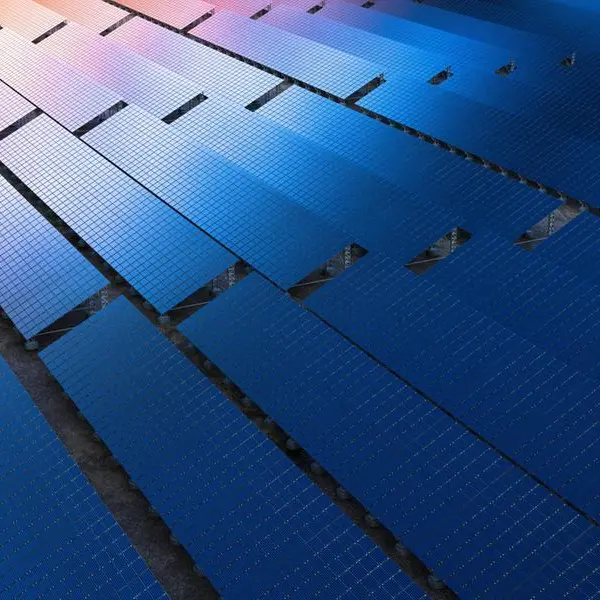
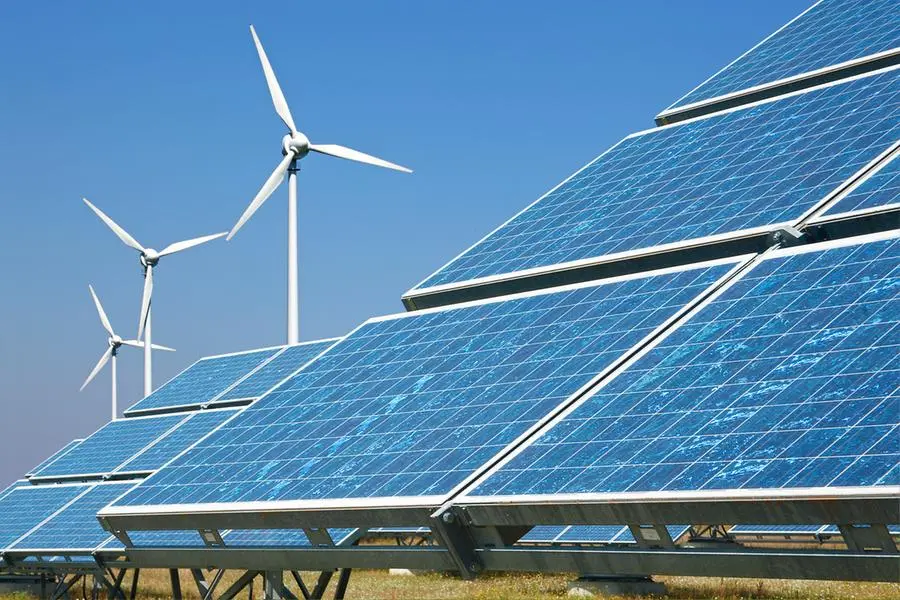
Algeria has launched an ambitious plan dubbed “project of the century” to produce 15 gigawatts (GW) of renewable energy and attract investment for green hydrogen ventures.
The long-term plan covers solar, water and wind power and is intended to meet future electricity demand and export the surplus.
Algerian minister of energy and renewable energies Mourad Adjal unveiled the plan while visiting a renewable energy project in the Northern Mediterranean Tipaza province, where several solar and wind power stations are being constructed.
“Algeria is pushing ahead with the project of the century, which will ensure the country’s energy security for many years to come as it will produce 15 GW of electricity from renewable sources,” Adjal said, quoted by Algerian media.
Adjal said phase one of the project would begin production of around 1,100 megawatts (MW) in June and is part of a 3,200 MW renewable energy plan in that province.
These projects will allow Algeria to export electricity in large quantities to neighbouring countries and at the same time concentrate on green electricity as a principal component of the country’s future energy policies, he added.
"We have developed a medium-term national strategy for new and renewable energies, aiming to promote the energy transition and achieve sustainable development. This includes emphasising the importance of diversifying energy sources, such as solar, wind, and hydropower,” the minister said.
“We have also started studies related to green hydrogen, a clean and promising energy source that will boost energy production for local development, support other energy-dependent sectors like agriculture, connect isolated areas to electricity and gas, and protect the environment from the effects of polluting emissions.”
(Writing by N Saeed; Editing by Anoop isMenon)
Subscribe to our Projects' PULSE newsletter that brings you trustworthy news, updates and insights on project activities, developments, and partnerships across sectors in the Middle East and Africa.