PHOTO
The Ministry of Climate Change and Environment (MOCCAE) announced on Sunday the details of the executive regulations of the Federal Law No. 12 of 2018 on the integrated waste management approved by the UAE Cabinet.
The regulations outline the requirements of the Federal Law No. 12 of 2018, including the roles and responsibilities of concerned authorities, waste generators, and suppliers, as well as the technical specifications applicable to landfills, the ministry said in a press statement.
Under the regulations, the waste generator is responsible for the proper disposal of the waste it generates and shall bear the financial costs involved, whereas suppliers are obligated to collect products at the end of their life cycle from consumers and bear the financial costs of their proper disposal in coordination with the competent authority.
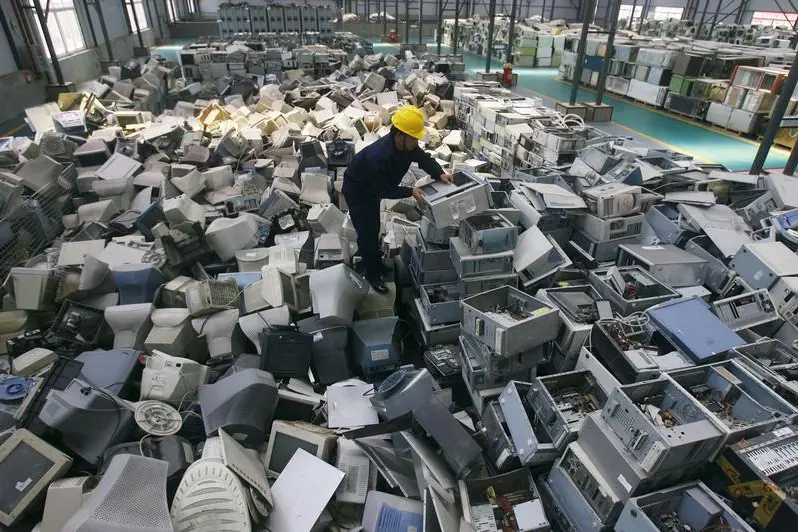
Suppliers are also mandated to collect electronic waste and batteries from consumers free of charge by providing collection boxes at their retail outlets, and recycling them or properly disposing of them in coordination with the competent authority.
To facilitate municipal solid waste segregation, over the course of the coming decade, the concerned authorities shall provide color-coded containers across the UAE. Green is for recyclable waste – paper, cardboard, metal, glass, plastic waste, and other types of waste specified by the competent authority, while black is for non-recyclable general waste, brown is for food and organic waste, and red is for hazardous waste.
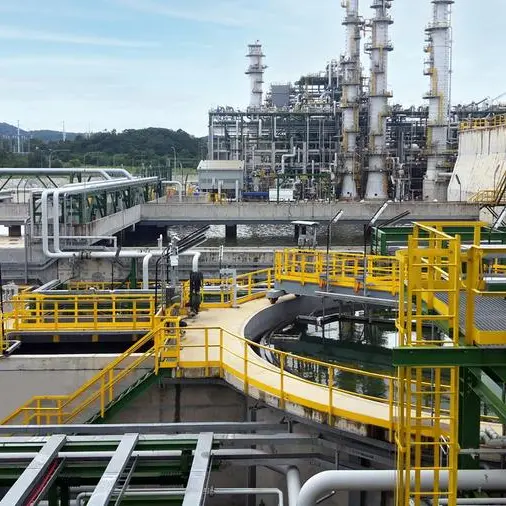
Regarding wastewater, the regulations determine the requirements for establishing and operating sewage treatment plants, such as the implementation of a three-stage wastewater treatment process as a minimum. They also set the maximum permissible level of pollutants in treated wastewater and sewage sludge. Existing facilities that use dual treatment technology must upgrade their processes within five years.
Moreover, the regulations outline the requirements for sound management of hazardous waste, including its segregation, treatment, and reduction under the supervision of the concerned authority.
Waste transport is also covered in the regulations, allowing waste management facilities to move waste across emirates after meeting the applicable conditions. This involves obtaining an approval from the concerned authority, hiring a carrier that has a waste transport permit in the exporting emirate, and using vehicles that are licensed for the specific waste type and equipped with a GPS tracking system.
The regulations’ definition of waste excludes industrial secondary products that have not undergone any treatment after being generated.
Furthermore, the regulations list the technical specifications for sanitary landfills and the types of waste that should be disposed in them. They also stipulate the conditions for environmental control and management of existing and new landfills, as well as for the closure of landfills. They mandate concerned authorities to rehabilitate unsanitary landfills to meet the set specifications within eight years.
According to the regulations, administrative penalties will be imposed on violators, varying between license suspension to permanent shutdown of the facility.
(Writing by N Madhura; Editing by Anoop Menon)
Disclaimer: This article is provided for informational purposes only. The content does not provide tax, legal or investment advice or opinion regarding the suitability, value or profitability of any particular security, portfolio or investment strategy. Read our full disclaimer policy here.
© ZAWYA 2021