PHOTO
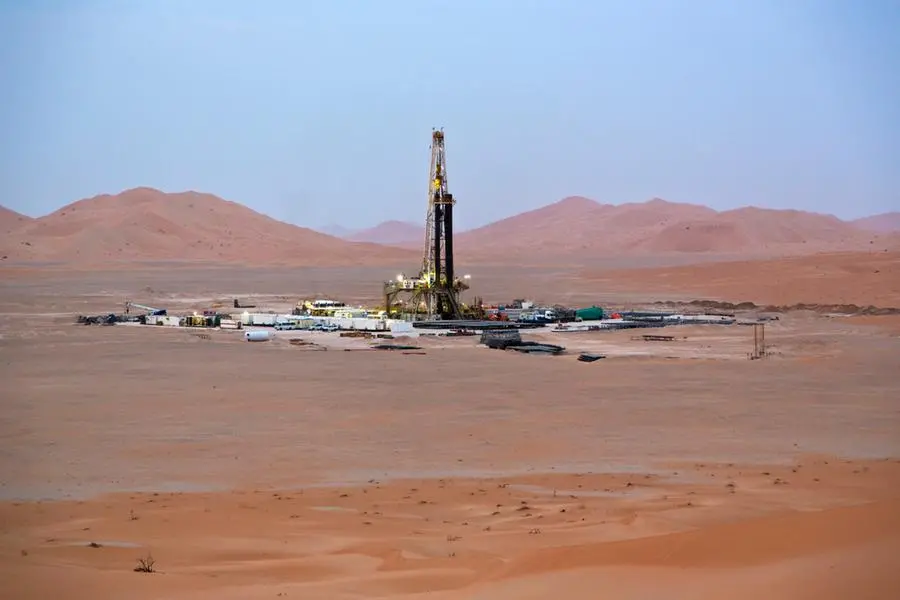
The economies of Gulf oil producers are expected to slump in 2026 due to the Iran-US conflict but are projected to rebound next year, a Western report says.
Oman stands out in 2026 as the only Gulf economy that continues to grow despite the conflict given its location outside Hormuz Straits, the Washington-based Institute of International Finance (IIF) said in a report sent to Zawya Projects.
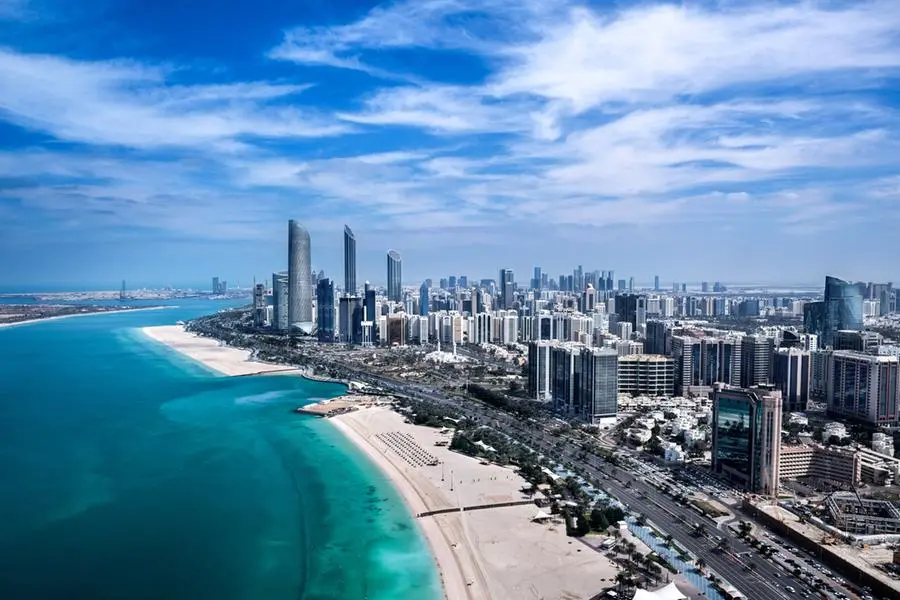
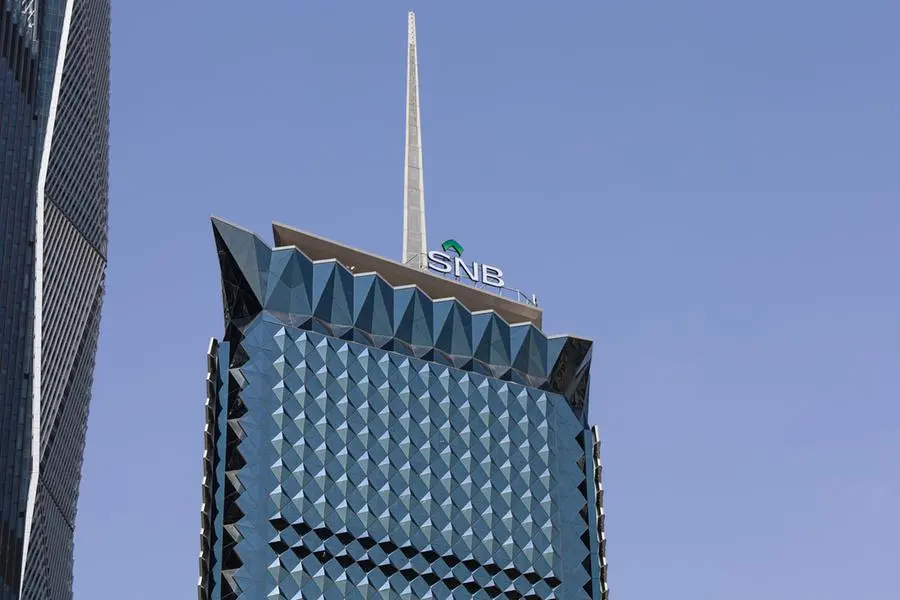
Saudi Arabia, the world’s largest oil exporter, enters the conflict period with strong fiscal buffers but a softening growth outlook, as relatively modest disrupted oil flows and logistics bottlenecks weigh on near-term performance.
“We expect real oil GDP to fall by 7 percent due to lower average crude production, while non-oil growth is expected to slow from 4.2 percent in 2025 to 2.8 percent, reflecting supply-chain disruptions and weaker momentum across manufacturing, construction, and trade-related services,” said IIF, which groups hundreds of Western financial institutions.
“A rebound is expected in 2027, with non-oil growth rising toward 4.5 percent as logistics normalise and investment projects regain pace.”
The crisis is also accelerating a structural reconfiguration of the Kingdom’s logistics network, IIF said, adding that Saudi Arabia has activated new routing options across seaports, Saudi Arabia Railways (SAR), and trucking corridors to divert exports to the west coast and channel imports through Red Sea gateways.
These adjustments—alongside expanded west-coast capacity, greater use of the East–West pipeline, and new investment in rail, storage, and supply-chain—are reducing exposure to choke point disruptions and strengthening long-term resilience, it said.
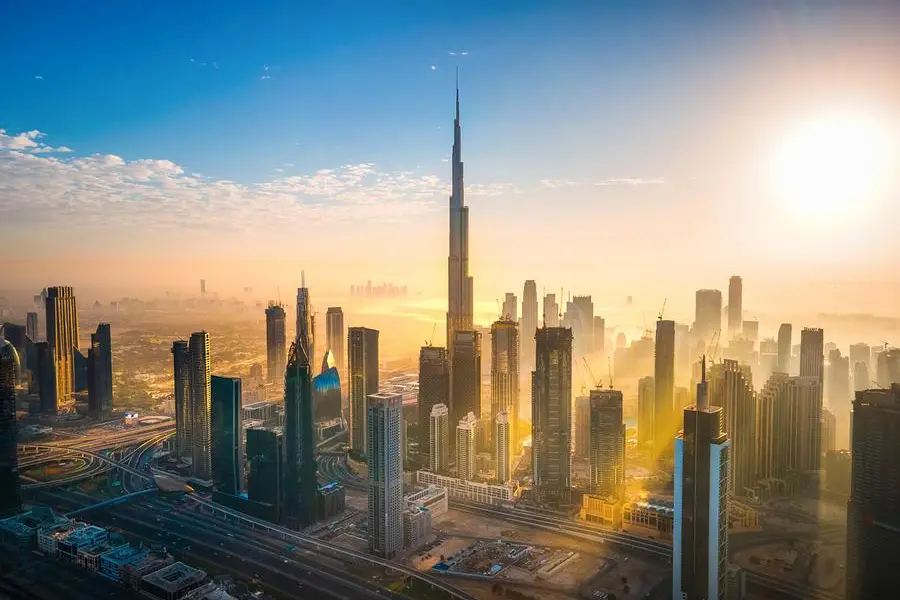
The UAE, the second largest Arab economy, is experiencing a temporary shock to an otherwise diversified and resilient growth model, the report noted.
A sharp near-term slowdown is likely, but Dubai’s structural strengths—global connectivity, regulatory flexibility, and a diversified services base— position it to recover once regional conditions stabilise.
“Abu Dhabi provides the stabilising anchor. Higher oil prices may offset lower export volumes, while sovereign wealth assets exceeding 200 percent of GDP give the authorities ample space to sustain investment and support liquidity,” it said.
“Over the medium term, the crisis may ultimately strengthen Abu Dhabi’s position as a global energy supplier while accelerating Dubai’s evolution toward a more diversified hub for finance, technology, logistics, tour ism, and high-value services.”
Qatar, one of the world’s largest LNG exporters, is among the most affected Gulf economies in 2026 due to its heavy reliance on LNG.
Operational LNG capacity may recover substantially within six to twelve months as repairs progress and shipping conditions improve, IIF said.
“However, full commercial normalisation—including shipping schedules, contract fulfillment, and market share recovery—is likely to extend well into 2027.”
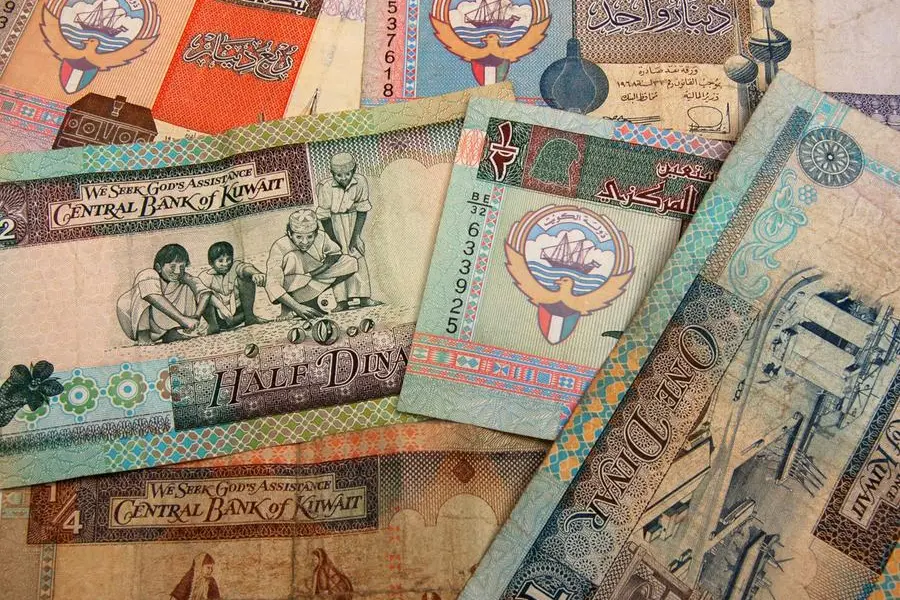
Kuwait experiences one of the sharpest contractions in the Gulf Cooperation Council (GCC) in 2026, reflecting both a large decline in oil production and the exceptionally high weight of the oil sector in the economy.
“The conflict has exposed Kuwait’s limited export flexibility and may strengthen the case for additional infrastructure investment and greater regional energy integration over the medium term,” the report said.
Oman stands out in 2026 as an economy that continues to grow with the key differentiating factor being the absence of a large decline in hydrocarbon output, IIF said, noting that this has allowed high oil and gas prices during the crisis to translate more directly into income gains.
“Bahrain’s stability continues to rely on strong GCC support mechanisms and the credibility of the Fiscal Balance Program, but without sustained consolidation and deeper structural reforms, Bahrain’s medium-term outlook will remain exposed to renewed volatility,” the report said.
The report showed that in 2026, GDP is expected to contract by 0.5 percent in Saudi Arabia, 1.4 percent in the UAE, 9.4 percent in Qatar, 10.5 percent in Kuwait and 4.6 percent in Bahrain. Oman’s GDP is projected to grow by 2.7 percent
In 2027, GDP is forecast to grow by 4.4 percent in Saudi Arabia and the UAE, 4.8 percent in Qatar, 8.1 percent in Kuwait, 3.3 percent in Bahrain and 3.8 percent in Oman.
(Writing by N Saeed; Editing by Anoop Menon)
(anoop.menon@lseg.com)
Subscribe to our Projects' PULSE newsletter that brings you trustworthy news, updates and insights on project activities, developments, and partnerships across sectors in the Middle East and Africa.