PHOTO
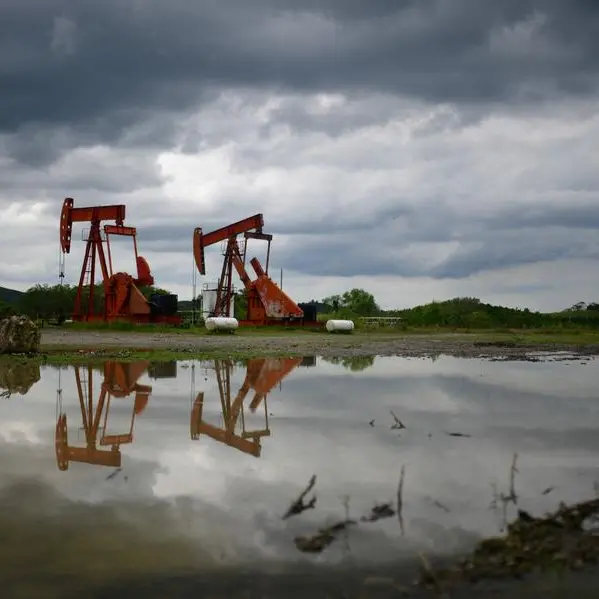
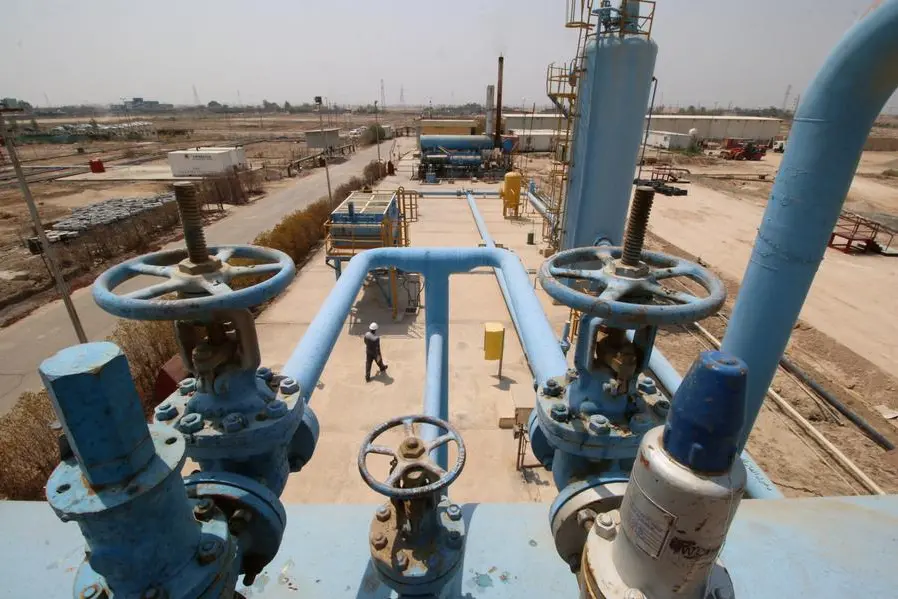
Iraq aims to pump nearly six million barrels per day (bpd) of oil towards the end of its 2024-2028 development plans that projects annual income of more than $100 billion.
The plan also targets a sharp increase in gas production by slashing the gas flaring ratio to just 10 percent from nearly 60 percent at present.
“The current development plan aims to increase oil production to six million bpd and expand the use of associated gas to 90 percent,” said Mudhar Saleh, an economic adviser to Iraq’s prime minister Mohammed Al-Sudani.
Saleh told Iraq’s Aliqtisad News agency that the non-oil sector could also provide more than 50 percent of the national income at the end of the plan while new petrochemical projects would boost their contribution to GDP by nearly five percent.
Saleh said the plan is different from previous development schemes because it will be assessed every six months instead of one year and it is based on Key Performance Indicators (KPIs).
Iraq last week unveiled the new five-year plan which forecast revenues of around 710 trillion Iraqi dinars ($545 billion) during the 2024-2028 development plan, mostly from oil exports.
The revenues at an average $109 billion per year will allow the government to pump enough investments to attain the targeted annual growth of more than four percent during the plan, planning ministry spokesman Abdul Zahra Al-Hindawi said.
In comments published by the official Iraqi news agency, Al-Hindawi said nearly half the expected investments by the public and private sectors would be channeled into the oil industry and housing.
He said oil revenues are projected at around IQD 631 trillion ($485 billion) during the plan, nearly 89 percent of the total revenues.
Sitting atop the world’s fifth largest recoverable oil deposits, Iraq has launched a scheme to expand oil output capacity by more than 30 percent to six million bpd as it projects higher OPEC Plus quota due to an expected rise in global demand.
OPEC’s second largest oil producer has awarded nearly 30 oilfield development contracts over the past two years to foreign firms, including France’s TotalEnergies, BP and Chinese companies.
(Writing by Nadim Kawach; Editing by Anoop Menon)
Subscribe to our Projects' PULSE newsletter that brings you trustworthy news, updates and insights on project activities, developments, and partnerships across sectors in the Middle East and Africa.