PHOTO
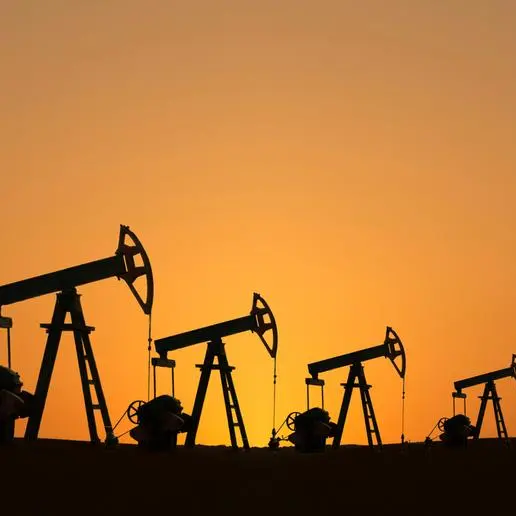
Once the Middle East war dust clears away and the region is back to normal, Iraq could renew demands for higher OPEC oil production quota.
Analysts believe Iraq could be motivated by the UAE’s decision to exit OPEC and the fact that its current quota is way below its capacity.
But some experts believe Iraq will unlikely follow the UAE suit and quit the group since Baghdad is where the group was born in 1960 and such a move could lead to a collapse of prices.
“After the UAE’s withdrawal from OPEC, Saudi Arabia will continue to lead the organisation,” said Ziad Al-Hashmi, a member of Iraq’s economists’ network.
“But I believe the UAE’s decision will open the door for higher production quotas by some OPEC members, particularly Iraq,” he told Zawya Projects.
In September last year, Iraq’s then prime minister Mohammed Al-Sudani used an international energy forum in Baghdad to demand a higher OPEC quota.
Al-Sudani justified his demand to what he described as Iraq’s enormous crude resources, large population, its growing oil production capacity and the need for more petrodollars to fund post-conflict development needs.
Al-Sudani put Iraq’s recoverable crude oil deposits at around 150 billion barrels, enough for 120 years, adding that these vast reserves allow Iraq to contribute to balancing the rights of producers and consumers.
“But our oil export quota (in OPEC Plus) does not match our crude reserves and production capacity…nor does it match Iraq’s population and its need for revenues to finance reconstruction and services in a country which is exhausted by wars and conflicts,” Al-Sudani said in his speech, published online by his office.
“We hope that our brothers and friends will understand more profoundly Iraq’s development and economic needs and reconsider the output quota allocated to our country on the basis of its real oil potential.”
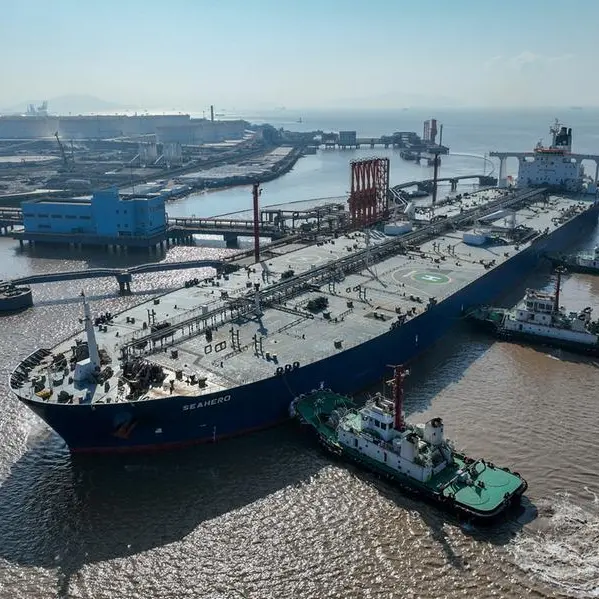
Before the six-week war between Iran and the US-Israeli alliance, Iraq pumped more than 4 million bpd and was often accused by OPEC Plus of exceeding its quota.
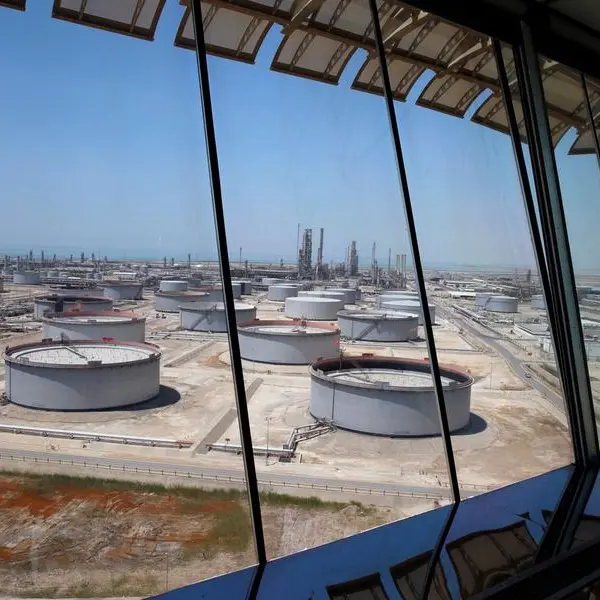
Iraq’s output capacity is estimated at around 5 million barrels per day (bpd) and officials believe it will grow by nearly 40 percent to more than 6 million bpd by the end of 2028 following the award of oilfield development contracts to a number of foreign firms.
“Iraq has been repeatedly asking for a higher OPEC quota, but definitely not for the same reasons as the UAE… If Iraq will raise the issue now, I would look for reasons why Iran or the US would want it to do so,” said Waleed Khaddouri, an Iraqi energy specialist who was information director in the Kuwait-based OAPEC.
“If Iraq will decide to withdraw from OPEC, which I doubt, this would mean - after the UAE move - the breakdown of OPEC, hence the end of Saudi obligation to restrain its production…as you know Saudi is producing around 7 million bpd, compared to their over 12 million bpd capacity. This would mean the collapse of oil prices . So, how will UAE and Iraq benefit any more,” he told Zawya Projects.
Before the Iran crisis erupted in February, a well-known Iraqi economist urged Baghdad to quit OPEC on the grounds quotas are stifling its export potential.
“Iraq needs to export 5 million bpd to cover its growing public expenditures, a target difficult to achieve under the organisation's restrictions,” said Nabil Al-Marsoomi, an economics professor at Basra University.
“The withdrawal will allow Iraq to adopt new production and export strategies, giving it the flexibility to compete with other producers in the global market… continued adherence to OPEC policies could exacerbate the budget deficits,” he said.
(Reporting by N Saeed; Editing by Anoop Menon)
Subscribe to our Projects' PULSE newsletter that brings you trustworthy news, updates and insights on project activities, developments, and partnerships across sectors in the Middle East and Africa.