PHOTO
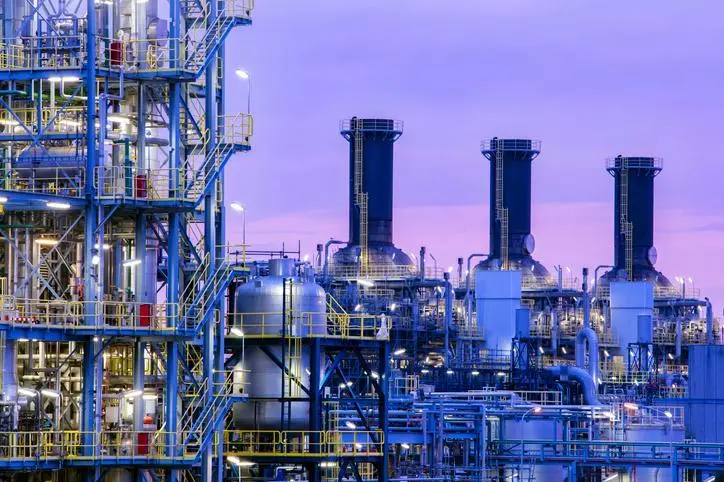
Egypt is planning to invest nearly $11 billion in 10 petrochemical projects during 2026–2030 with a combined production capacity of 7.5 million tonnes per annum (mtpa), as part of a strategy to localise manufacturing, reduce imports and expand exports, according to the state-owned Egyptian Petrochemicals Holding Company (ECHEM).
The projects form part of the company’s five-year plan aimed at producing more than 20 petrochemical and derivative products for domestic use and export markets, ECHEM Chairman Alaa El-Din Abdel Fattah said during the company’s general assembly meeting in Cairo, which was chaired by Petroleum and Mineral Resources Minister Karim Badawi.
According to a statement published by the petroleum ministry, Abdel Fattah said the plan focuses on products with high import costs, in coordination with the Ministry of Industry, with the aim of reducing Egypt’s import bill and increasing local value-added production.
Focus on import substitution and industrial integration
Abdel Fattah said ECHEM is working to strengthen integration with the industrial sector by identifying products whose manufacturing depends heavily on petrochemical inputs, allowing the country to localise production and reduce reliance on imports.
The five-year plan was presented during the meeting held to approve the company’s budget plan for fiscal year 2026/2027.
Major petrochemical and derivatives projects
Projects underway include a range of petrochemical and downstream facilities across several governorates, including:
·A soda ash and silicon derivatives plant in New Alamein City
·A methanol derivatives project in Damietta
·A feedstock supply chain project in Alexandria to provide ethane and gas derivatives for future petrochemical projects
·Production plants for styrene, polyvinyl chloride (PVC) and sustainable aviation fuel (SAF) in Alexandria
·Bioethanol and green ammonia projects in Damietta
Abdel Fattah said securing natural gas feedstock has helped boost production at existing petrochemical plants.
“Securing natural gas supplies has contributed to increasing production at current petrochemical projects to meet local demand and support exports,” he said.
Total production reached about 4.2 million tonnes in 2025, with exports shipped to more than 50 countries worldwide, he added.
Strategy to expand petrochemicals capacity
The investment programme forms part of Egypt’s broader strategy to expand its petrochemical industry, increase industrial self-sufficiency and position the country as a regional production hub for chemicals and derivatives.
In February 2026, a report by local English language newspaper Daily News Egypt, citing official data released by the Export Council for Chemical Industries and Fertilisers, said the country’s exports of chemical products and fertilisers recorded strong growth in 2025, surpassing $9.4 billion, compared to $8.78 billion in 2024, marking an increase of about $650 million and a 7.4 percent year-on-year growth rate.
In October 2025, Suez Canal Authority and Anchorage Investments signed a partnership agreement worth $2 billion to establish a major petrochemical industrial complex in Egypt within the Suez Canal Economic Zone (SCZONE).
The petrochemicals sector accounts for nearly 12 percent of Egypt’s total industrial output.
(Writing by N Saeed; Editing by Anoop Menon)
Subscribe to our Projects' PULSE newsletter that brings you trustworthy news, updates and insights on project activities, developments, and partnerships across sectors in the Middle East and Africa.