PHOTO
A Hungarian company is planning to build a cement plant in Libya as part of the OPEC member’s plan to reconstruct the infrastructure and other sectors, aided by a surge in its oil export revenues following an increase in its crude output.
Rotary International presented project details at talks with Mustafa Al-Samou, Undersecretary of the Libyan Ministry of Industry and Minerals, in Tripoli last week.
“The proposed project by the Hungarian company outlines the development of a facility using environmentally-friendly technologies designed to boost local cement production, meet domestic demand, and reduce reliance on cement imports,” the ministry said in a statement on its website.
The talks also explored avenues for cooperation and investment in the building materials sector as part of the ministry's broader strategy to expand industrial activity, support local manufacturing, and attract foreign expertise and capital to Libya’s industrial base.
In September, Raysut Cement, the Sultanate of Oman’s biggest cement producer, signed a memorandum of understanding with Libya Energy and Mining Bank (LEMB), a specialised developmental bank, to study opportunities for marketing its products in Libya and neighbouring markets as part of its strategy to strengthen regional presence and explore new markets.
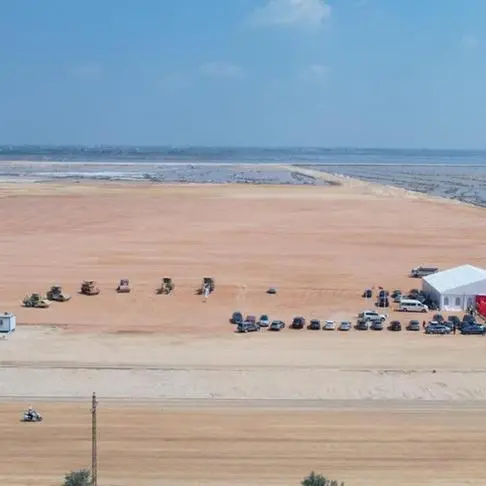
Officials in western Libya also laid the foundation stone for a new $600 million cement plant in Nalut the same month.
The facility, located in the Um al-Baqal area, will start with two production lines capable of producing 12,000 tonnes per day (tpd) of Portland cement, with plans to expand output to 14,000tpd.
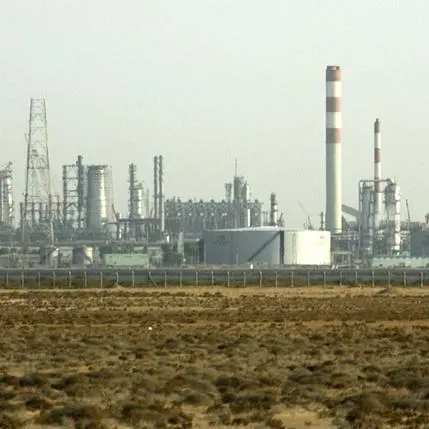
Libya has a number of cement plants, mostly state-controlled, but many of them have been crippled by years of internal strife.
(Writing by N Saeed; Editing by Anoop Menon)
Subscribe to our Projects' PULSE newsletter that brings you trustworthy news, updates and insights on project activities, developments, and partnerships across sectors in the Middle East and Africa.