PHOTO
When Iraq unveiled its biggest integrated rail and road project traversing most of its territory up to Turkey’s border in the north, Ankara was the first investor to respond to Baghdad’s appeal for partners.
Turkey apparently was aware that the gains from the project, dubbed 'The Development Road,' far outweigh its large costs.
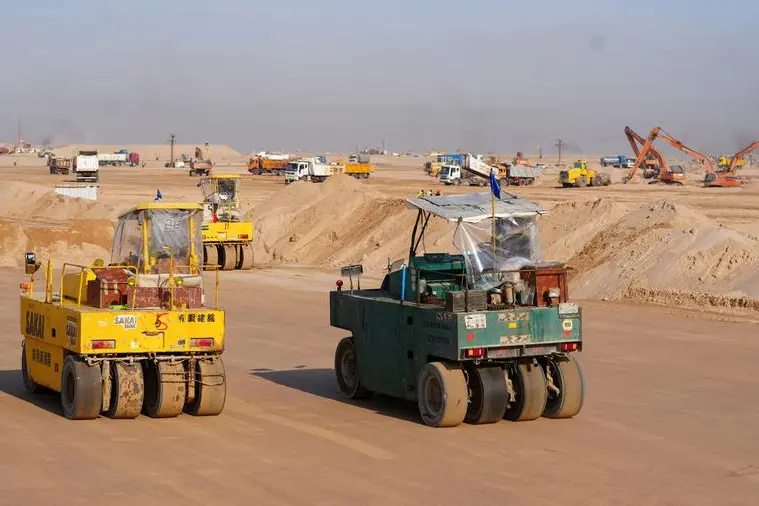
The multimodal project involves the construction of a 1,200-kilometre rail line and a parallel motorway from the southern Iraqi Faw port through 11 governorates to the Turkish border at a total estimated cost of over $17 billion.
“As you know, the Development Road will create a land route to the Gulf….this will offer a much faster and more cost-effective alternative to sea travel,” said Nabil AL-Marsoumi, an economics professor at Basra University in South Iraq.
“Studies have shown that this project is expected to significantly increase trade between Turkey on one side and Iraq and Gulf states on the other side…I believe the main beneficiary is Turkey’s exports to the region.”
Turkey is already a major trading partner of Iraq and the six-nation Gulf Cooperation Council (GCC), with the value of its exports of goods to these countries standing at around $127 billion during 2020-2024, according to Turkey’s statistical institute.
Iraq emerged as the largest market for Turkey’s exports, with a value of nearly $60 billion during that period. Turkey’s exports to the UAE soared from around $2.8 billion in 2020 to $8.3 billion in 2024.
The figures showed Turkey’s imports from Iraq and the GCC stood at around $83 billion during that period, with the balance remaining largely in favour of Ankara.
Turkey’s exports to all Arab countries totaled around $40 billion during the first 10 months of 2024, an increase of about eight percent over the same period of 2023.
Turkish transport minister Abdul Qadir Oglu said this year that after it is commissioned in late 2028, the development road would boost Turkey’s trade with Iraq from around $20 billion to $30-40 billion per year.
Iraq’s transport ministry said in December that the Development Road would generate annual earnings of at least $four billion to shareholders, who also include the governments of Iraq, Qatar and the UAE.
The earnings exclude the investments and incomes expected from nearly 20 economic and industrial zones to be constructed all along the road and around Faw, which will be one of the world’s largest container terminals when commissioned in 2026.
"In 2024, Iraq suffered from a trade deficit with Turkey of around $10.7 billion due to its large imports from that country and its limited exports to Turkey,” well-known Iraqi economist Manar Al-Obaidi said.
“I think that the gap could widen after the development road is completed unless Iraq tries to take advantage and increase exports to Turkey…anyway, there is no doubt that this project will benefit Turkey most as it will allow it to expand its export markets and also boost investments in Iraq and the Gulf.”
(Reporting by Nadim Kawach; Editing by Anoop Menon)
(anoop.menon@lseg.com)
Subscribe to our Projects' PULSE newsletter that brings you trustworthy news, updates and insights on project activities, developments, and partnerships across sectors in the Middle East and Africa.