PHOTO
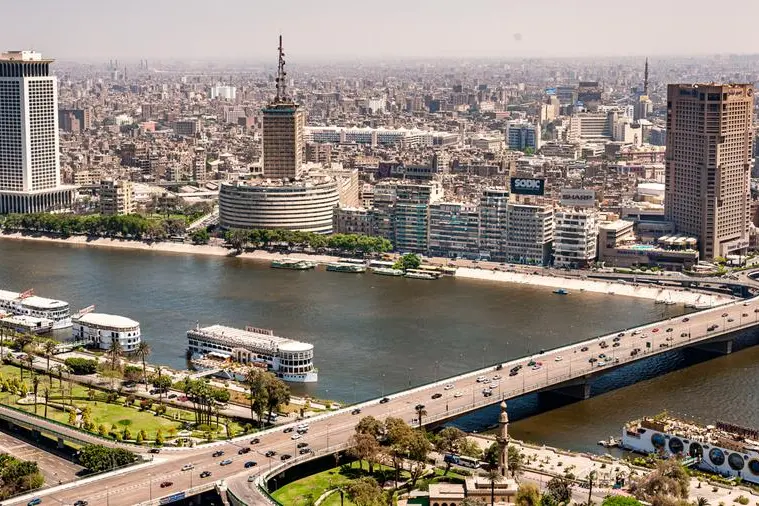
Gulf Arab oil producers pumped over $41 billion into Egypt’s economy in one year to emerge as one of the largest foreign investors in the most populous Arab nation.
The investments during fiscal year 2023-2024, which ends on 30 June, are the highest to be channeled into Egypt in one year by the six Gulf Cooperation Council (GCC) states but Cairo is now seeking more capital to support its reforms.
Egypt is counting on an increase given its growing political and economic links with the 44-year-old regional grouping and a pledge by the UAE and Qatar to pump over $60 billion into two mega tourism projects.
“GCC investments in Egypt peaked at around $41 billion during 2023-2024, the largest portion of foreign direct investment in Egypt….the investments are set to surge following the signing of projects with the UAE and Qatar,” Egypt’s investment and foreign trade minister Hassan Al-Khatib told a GCC-Egyptian investment forum in Cairo last week.
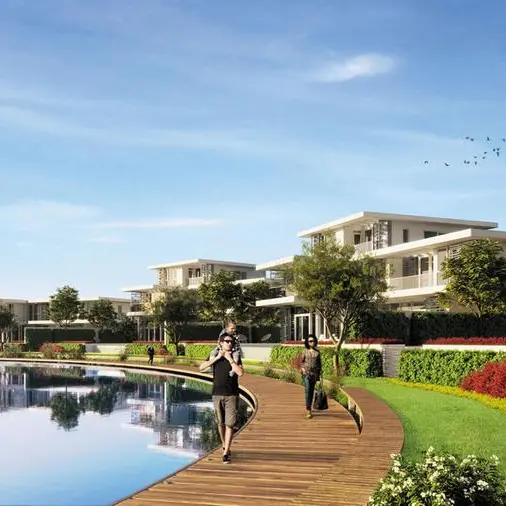
Khatib was referring to last week’s deal with Qatar’s SWF real estate arm Diar for the development of a mega tourism development in Alam El- Roum area in Matrouh on the northern Mediterranean coast at a cost of nearly $29.5 billion.
The deal is the second largest to be finalised by Egypt with a GCC company after the agreement with Abu Dhabi-based ADQ last year to pump nearly $35 billion into the development of Ras Al-Hekma Peninsula west of the Northern port of Alexandria.
Egypt’s finance minister Ahmed Kouchouk said he expects the deal with Diar to spur further foreign investment on Egypt’s Mediterranean coast.
“This project will create thousands of job opportunities for young people, boost national income, attract further foreign investment, and increase tourist numbers in the region, thus contributing to national economic growth and revenue,” he said.
Egypt’s ties with GCC states of Saudi Arabia, Bahrain, Kuwait, Oman, Qatar and the UAE, which control over a third of the world’s recoverable oil deposits, have steadily grown since President Abdul Fattah Al-Sisi came to power in 2014.
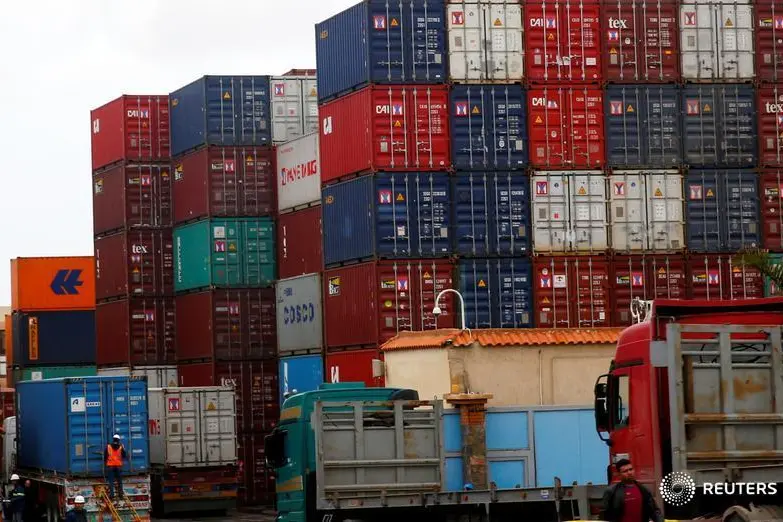
Trade between the two sides surged by around 17 percent to a record high of $25 billion in 2024 over the previous year while more than three million Egyptians work in the GCC, including nearly 2.5 million in Saudi Arabia and the UAE, providing a major source of the much-needed hard currency for Egypt.
Saudi commerce minister Majid Al-Qasabi, who provided these figures, told the Cairo forum:”The world today faces rapidly evolving economic challenges, which necessitates that we unite our efforts and work together to formulate an integrated economic roadmap that contributes to facilitating investment and launching joint quality projects in various sectors, mainly energy, tourism, technology, and creative industries.”
Al-Khatib had said in October that he expects an increase of 20-30 percent in FDI inflow during 2025, noting that Egypt has set an “ambitious” target to attract $30 billion and GDP growth of 6-7 percent in 2030.
“The current period constitutes a real chance for Egypt to attract more capital despite global challenges that have seen a decline in capital flow,” Al-Khatib said.
“The government is working to speed up structural reforms and implement economic policies characterised by stability and sustainability…we aim to increase FDI flow by 20-30 percent to around $12 billion this year,” he added.
A Saudi analyst said he expects a pick in GCC investment flow in the coming years following the deals with Abu Dhabi and Qatar.
“Egypt is a vast market and the reforms it is carrying out have made it more attractive for investment…these factors and the strong political relations between the two sides will contribute to further Gulf capital flows into that country,” he told Zawya Projects.
(Reporting by N Saeed; Editing by Anoop Menon)
Subscribe to our Projects' PULSE newsletter that brings you trustworthy news, updates and insights on project activities, developments, and partnerships across sectors in the Middle East and Africa.