PHOTO
A new Oliver Wyman report titled “Unlocking The Middle East’s Sport Economy” finds that 85% of the Middle East’s population regularly consumes sport content, yet only 30% actively participate. This significant participation gap reveals a $75 billion economic growth opportunity.
As major events such as the 2030 Asian Games in Doha, 2034 Asian Games in Riyadh, and the 2034 FIFA World Cup in Saudi Arabia approach, the region’s sport landscape is undergoing a pivotal transformation. Governments across the Middle East have already committed over $100 billion in sport infrastructure investments by 2034, spanning stadiums, wellness districts, and community recreation spaces.
This investment, combined with a young population – nearly 60% under the age of 30 – is reshaping the region’s social and economic landscape. Saudi Arabia alone could unlock up to $200 billion in revenue from tourism, media, and global investment linked to its sports branding.
The report explores how sport is evolving from competition to lifestyle – fueled by digital innovation, health and wellness integration, and a growing emphasis on community participation. Globally, sport-related tourism now accounts for 10% of travel spending, totaling $600 billion annually, and the rise of “sportainment” – where sport and entertainment merge – is creating new commercial models within a global experience economy projected to reach $15 trillion by 2034.
However, successfully engaging fans through innovative experiences is only one side of the equation; increasing active participation is equally critical for long-term growth.
Key findings for the Middle East include:
- $75 billion growth opportunity from closing the sport participation gap
- Over $100 billion in planned infrastructure investment across the region
- 5% annual growth in sport participation, 10% in the overall sport economy, and 14% in sport tourism
- Opportunity to embed sport into daily life through mixed-use, community-based design
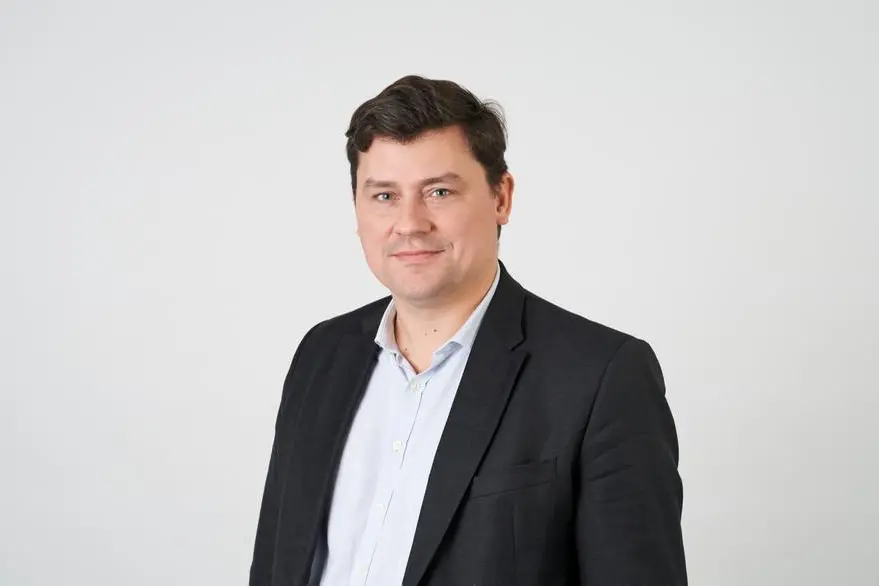
“The Middle East is entering a defining decade for sport,” said Guillaume Thibault, Head of Sports and Entertainment – India, Middle East and Africa, Oliver Wyman. “By moving beyond world-class events to make sport part of everyday life – through inclusive infrastructure, digital ecosystems, and vibrant local engagement – the region can unlock the full potential of its sport economy and shape the future of global sport innovation.”