PHOTO
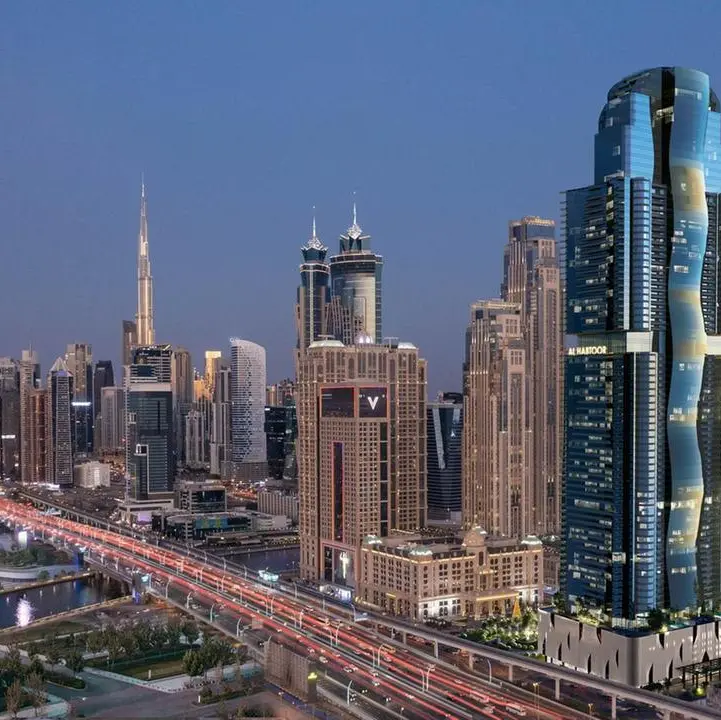
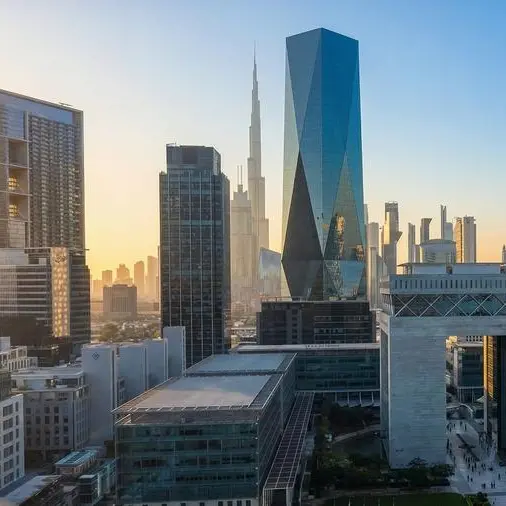
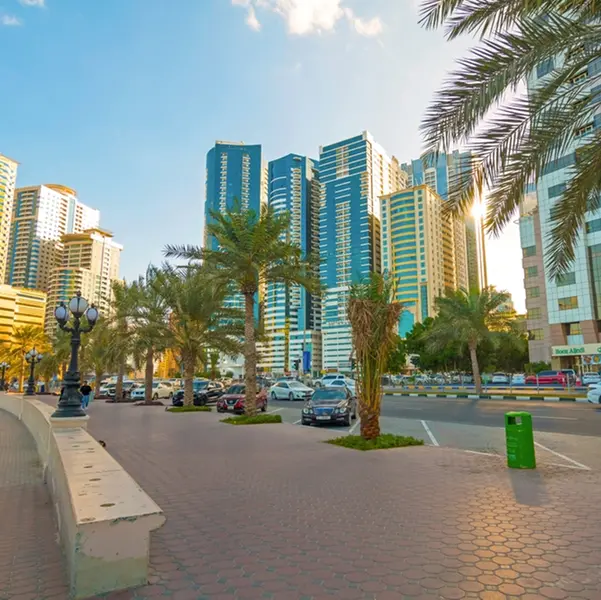
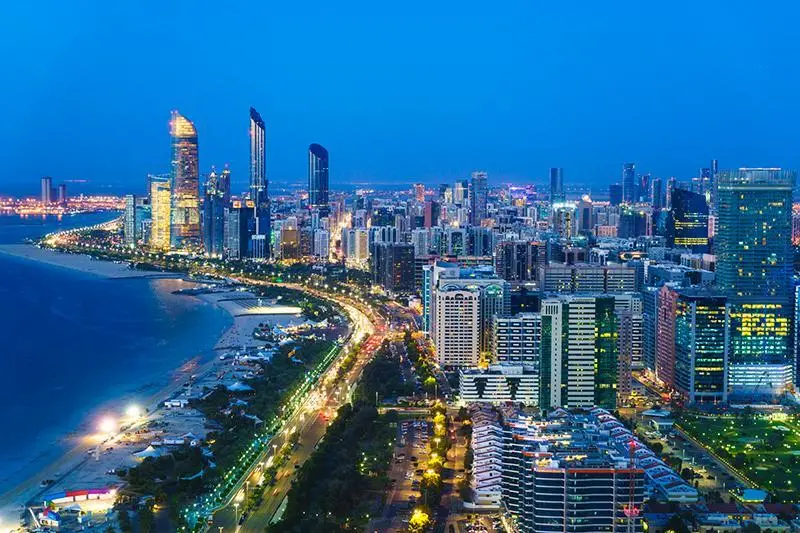
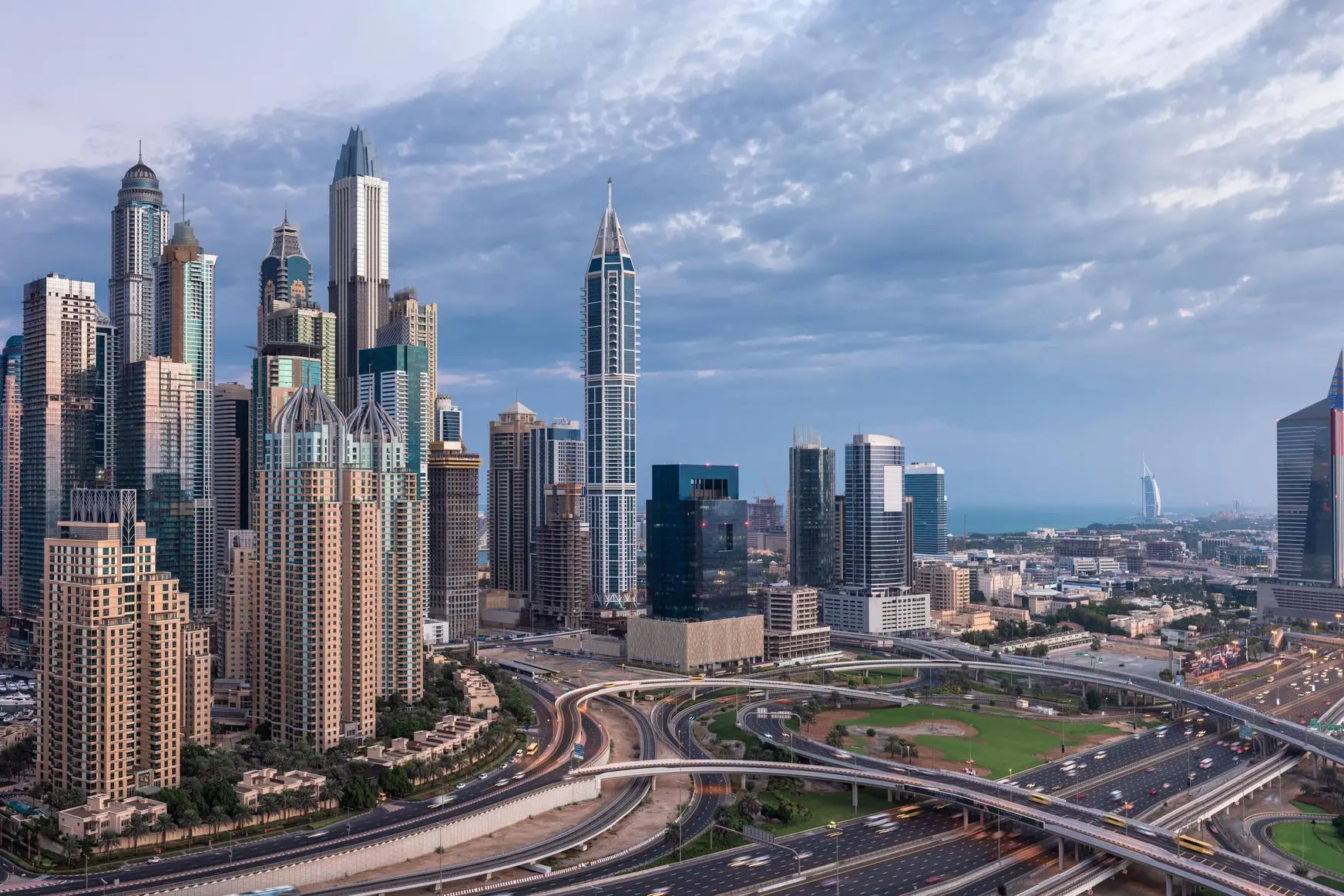
United Arab Emirates: As the UAE continues to position itself as a global destination for talent, investment, and innovation, new insights from Gensler’s Design Forecast 2026 reveal how the Emirates are evolving into highly integrated lifestyle ecosystems that blend work, living, leisure, and culture, and where future opportunities for design-led growth lie.
The UAE chapter of Gensler’s Design Forecast 2026 highlights how national priorities such as Vision 2031, economic diversification, and long-term residency initiatives are reshaping demand across residential, hospitality, workplace, and mixed-use development. Rather than following global real estate cycles, the UAE is carving out a distinct path defined by experience-driven environments, wellness-led communities, and digitally enabled infrastructure.
Todd Pilgreen, Principal and Co-Managing Director, Gensler Middle East, APME Regional Practice Area Leader - Mixed Use & Retail Centers, Retail & Consumer Experience, Gensler said: “According to our research, the UAE’s seven Emirates each play a complementary role in its evolution. Dubai continues to lead in high-end retail, branded residences, and mixed-use destinations, Abu Dhabi is strengthening its position as a hub for critical infrastructure and data-driven development, Ras Al Khaimah is emerging as a luxury and leisure destination, while Sharjah continues to build cultural depth through museums and galleries.”
Tariq Shaikh, Principal and Co-Managing Director at Gensler Middle East, added: “Together, these differentiated identities are reinforcing the UAE’s position as a regional and global lifestyle hub. The UAE section of our Design Forecast 2026 also highlights the growing importance of critical facilities and digital infrastructure, as demand for data centres, aviation assets, and resilient systems increases.”
The UAE data center market is projected to grow to USD 1.74 billion in 2026, with strong investment trends indicating continued growth driven by cloud, AI, and hyperscale demand. Projects such as Future Digital Data Systems Data Centre in Abu Dhabi, alongside aviation and mixed-use landmarks like The View at The Palm and Emaar Properties’ Dubai Headquarters, reflect how design is responding to the country’s rapid digitalization and economic diversification.
A defining driver of this overall growth is population composition. The UAE’s expatriate population accounted for approximately 88.5% of the total population in 2025, with Emirati nationals representing about 11.5 %. Long-term residency initiatives such as the Golden Visa are continuing to attract entrepreneurs, digital nomads, and high-net-worth individuals. In 2025 the UAE climbed to second place globally in the Digital Nomad Visa Index, up from fourth in the previous year, becoming one of the world’s most attractive destinations for remote workers. This has accelerated demand for new residential models, particularly branded residences, co-living, and lifestyle communities anchored within large-scale mixed-use developments that integrate wellness, coworking, food and beverage, and leisure.
The Design Forecast identifies hospitality as one of the fastest-evolving sectors in the UAE, with design shifting toward digital nomads and experience-driven travellers. Extended-stay formats, wellness ecosystems, and culturally curated experiences are increasingly replacing traditional short-stay models, reflecting changing travel patterns and the UAE’s ambition to attract longer-term visitors who live, work, and invest in the country. According to recent reports from the World Travel & Tourism Council, the UAE’s tourism and travel sector contributed AED 267.5 billion to the national economy in 2025, representing nearly 13 % of GDP, underscoring the sector’s expanding role in economic diversification and visitor experience growth. International visitor spending is expected to reach a record AED 228.5 billion in 2026, reflecting strong demand and robust positioning of the UAE as a global tourism hub.
Workplace infrastructure is also undergoing a critical transition. While the UAE benefits from a strong Class A office market, particularly in Dubai, the research shows that workplace supply is still catching up to demand as organizations compete for global talent. Investment is flowing into creative campuses, coworking hubs, and the adaptive reuse of industrial spaces, particularly where these are integrated into lifestyle districts with cultural and social amenities. Rather than functioning as standalone assets, workplaces are increasingly expected to operate as part of broader urban ecosystems.
Insights from the Gensler Research Institute’s City Pulse 2025 survey, reinforce the UAE’s competitive position. Residents in Dubai and Abu Dhabi report high satisfaction with their cities, with 89 % saying their city offers a great experience and 86 % saying it supports overall wellbeing. These results reflect the success of the UAE’s focus on connectivity, safety, and lifestyle quality, while also highlighting opportunities to enhance everyday liveability alongside the country’s established reputation for luxury.
Cost of living remains a pressure point, with only 50 % expressing satisfaction, underscoring the importance of smart density, mixed-use planning, and diverse housing models. Rental costs in Dubai remain a key pressure point for residents, with rents increasing by up to 18 % in 2025 across both short-term and long-term leases, driven by sustained population growth and strong market demand. Looking ahead, the rental market is expected to moderate in 2026, with rents forecast to further rise by around 6 % on average, reflecting more balanced supply-demand dynamics as new housing deliveries come online. Housing continues to account for a significant share of household living expenses, comprising nearly 30 % of monthly costs in 2025.
According to Gensler, the next phase of urban growth in the UAE will be defined less by iconic, single-use developments and more by how effectively Emirates integrate experience, flexibility, and long-term adaptability into the fabric of everyday life. As leisure, retail, residential, hospitality, and work environments continue to converge, design will play a critical role in shaping places that support wellbeing, attract global talent, and deliver lasting economic value.
The Gensler Design Forecast 2026 positions the UAE not only as a beneficiary of global shifts in how cities function, but as an active laboratory for new models of living, working, and experiencing place where ambition, policy, and design align to shape what comes next.
Media Contact:
Rochelle Alphonso
rochelle@a-comms.com
The full Design Forecast 2026 is available to download
About Gensler
At Gensler, the value of our work stems from its positive impact on the human experience. We are a dynamic and collaborative design firm uniting creativity, research, and innovation to solve complex problems for our clients. Our work challenges conventional ideas about architecture and the built environment. We aren’t just designing buildings — we are reimagining cities and places that make a difference in people’s lives. Founded in 1965, Gensler has built a team of 6,000 professionals who partner with clients in over 100 countries each year. Everything we do is guided by our mission: to create a better world through the power of design.
www.gensler.com.