PHOTO
- Residential sales value up 15.3% YoY; transaction volumes up 14.8% YoY
- Sales volumes also rose 9.4% compared to Q2 2025, reflecting strong mid-market momentum
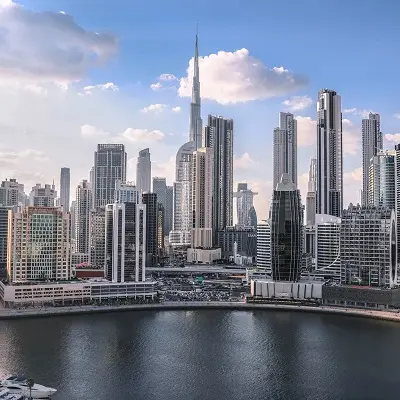
Dubai, UAE – Dubai’s real estate market sustained its upward trajectory in Q3 2025, with 54,028 residential transactions worth AED 134.6 billion, according to Springfield Properties’ latest report. The results mark a 15.3% year-on-year increase in sales value from AED 116.7 billion in Q3 2024, alongside a 14.8% rise in transactions from 47,049 a year earlier. Compared to Q2 2025, sales volumes climbed +9.4%, while values moderated, reflecting a healthy broadening of activity into more mid-market launches.
Farooq Syed, CEO of Springfield Properties, said: “Crossing AED 134.6 billion in sales this quarter shows more than resilience — it confirms that Dubai has become one of the most balanced real estate markets worldwide. Mid-market housing now anchors demand, accounting for more than half of all transactions, while premium districts such as Dubai Hills Estate and Dubai Maritime City continue to demonstrate price stability. This balance is what sets Dubai apart from global peers”.
The quarter’s performance was driven by 40,680 off-plan sales worth AED 96.2 billion, highlighting strong investor appetite for early-stage opportunities, while the ready segment contributed 13,348 transactions totaling AED 38.3 billion, led by end-user demand in established family communities. On the commercial side, activity reached AED 30.4 billion across 3,431 deals, with land sales alone totaling AED 17.7 billion as developers positioned for upcoming supply cycles. Offices, retail, and hotel apartments also contributed to sector depth, supported by institutional inflows and Dubai’s expanding tourism economy.
“With more than 155,000 new residents added this year and mortgage affordability improving after the September rate cut, Dubai’s fundamentals are exceptionally strong,” Syed added. “Developers are positioning strategically across all segments, while institutional capital flows into land, offices, and income-producing assets. The market is not just resilient - it is expanding in depth and scope.”
Rental values also posted significant gains, climbing to AED 12.7 billion across 137,700 leases, with Nad Al Sheba (+28%) and Jumeirah (+23%) leading growth. Suburban areas such as Sobha Hartland and The Villa also recorded steady increases, reinforcing Dubai’s appeal to both tenants and investors, with yields remaining highly attractive across a diverse range of communities.
As Q4 begins — historically the busiest quarter for Dubai real estate — momentum is expected to accelerate further, supported by international investor inflows, new project launches, and sustained rental demand. With more than 250,000 units scheduled for delivery between 2026 and 2027, the balance of new supply and strong absorption will shape the next phase of growth. For now, Dubai enters year-end with unmatched confidence, underpinned by population expansion, infrastructure investment, and a diversified buyer base.