PHOTO
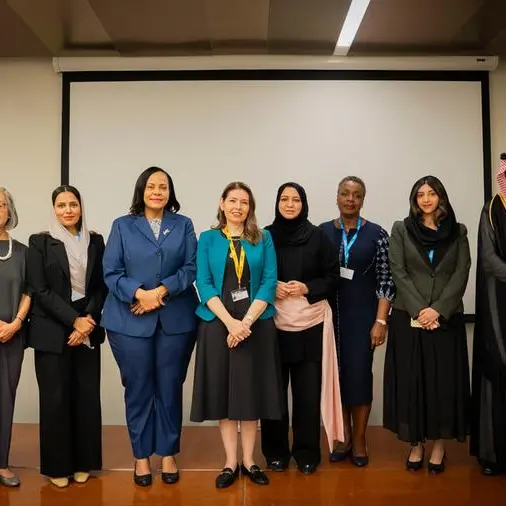
Doha: The Centre for Islamic Economics and Finance (CIEF) at the College of Islamic Studies (CIS), Hamad Bin Khalifa University (HBKU), in partnership with the Qatar Financial Centre (QFC), has concluded the 8th International Conference on Islamic Finance (ICIF) at Education City’s Minaretein.
The two-day event, held under the theme “Islamic Finance in a Divided World,” explored how Islamic finance can foster stability, inclusion, and sustainability amid shifting political alliances, regulatory divergence, trade disruptions, and widening inequality. Industry leaders from across the region and the world joined other prominent scholars, practitioners, and policymakers, engaging in insightful discussions that examined the evolving role of Islamic finance through sessions, plenary addresses, and keynote remarks.
Following opening remarks by Dr. Recep Şentürk, Dean, CIS and Dr. Prabhat Hajela, Provost, HBKU, keynote addresses were delivered by His Excellency Sheikh Ahmed bin Khalid bin Ahmed bin Sultan Al-Thani, Deputy Governor, Qatar Central Bank (QCB); Yousuf Mohamed Al Jaida, CEO and Board Member, Qatar Financial Centre (QFC) Authority. The event continued with several main talks from industry experts, including Dr. Mohamad Hammour, Chairman of Guidance Financial Group, USA; His Excellency Yousef Khalawi, Secretary General of the AlBaraka Forum in Saudi Arabia; and Dr. Tarik M Yousef, Senior Fellow, Middle East Council on Global Affairs, Qatar.
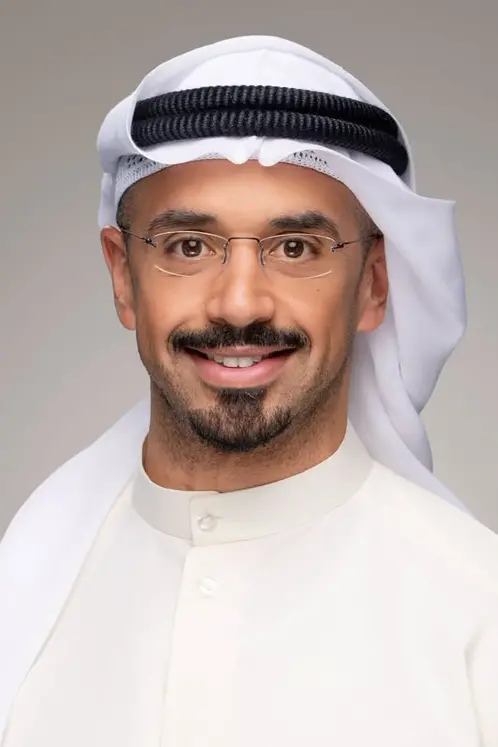
Commenting on his participation in the conference, His Excellency Sheikh Ahmed bin Khalid Al-Thani, said: “Studies conducted in 82 countries have shown that Islamic banking reduces volatility and supports long-term growth, expanding financial inclusion, especially in areas with limited access to conventional banking services. Various mechanisms such as zakat, waqf, and microfinance have been designed to suit local needs and values, offering numerous advantages.”
Across eight thematic interactive sessions, participants addressed the conference’s key objectives, including reassessing the global role of Islamic finance amidst fragmentation, promoting resilience through Islamic principles, and facilitating regulatory and governance innovation. Other focus areas included advancing digital and ethical transformation, aligning Islamic finance with sustainability imperatives, and addressing macroeconomic shocks with Islamic insights.
Drawing on the current climate and the conference's theme, the session on Geopolitics, Fragmentation, and the Islamic Financial System addressed how Islamic Finance can thrive despite a polarizing global landscape while maintaining its core values. Additionally, the discussion on ‘Stability and Sustainability Through Islamic Finance Principles’ further explained the need to integrate Islamic finance mechanisms into emerging digitally backed financial assets.
For his part, Mr. Yousuf Al-Jaida noted, “The QFC is proud to partner with Hamad Bin Khalifa University in hosting this event, which has served as a vital platform, over the past eight years, for sharing insights to harness the full potential of Islamic finance and support its continued growth. Islamic finance offers a logical solution to many of the social, economic, and environmental concerns confronting us today. Rooted in shared risk, ethical conduct, and real economic value, Islamic Finance provides tools that help cushion shocks and enhance resilience amid geopolitical and market volatility.”
Dr. Ahmet Faruk Aysan, Conference Chair, ICIF, and Associate Dean of Research, CIS, added: “With strong cultural foundations and growing demand for ethical financial instruments, the region already leads in Islamic finance through real-economy financing, asset backing, and a deep commitment to equity. Islamic finance is not only an alternative; it offers viable answers to contemporary economic and social challenges. Our partnership with the QFC ensures we continue to amplify the significance of this option, while promoting HBKU as a catalyst for sustainable solutions.”
In 2023, the CIS entered into a collaboration agreement with the QFC to partner in advancing Islamic finance business in the country. Under this agreement, the QFC will co-host and sponsor the ICIF until 2027.
About Hamad Bin Khalifa University
Innovating Today, Shaping Tomorrow
Hamad Bin Khalifa University (HBKU), a member of Qatar Foundation for Education, Science, and Community Development (QF), is a leading, innovation-centric university committed to advancing education and research to address critical challenges facing Qatar and beyond. HBKU develops multidisciplinary academic programs and national research capabilities that drive collaboration with leading global institutions. The university is dedicated to equipping future leaders with an entrepreneurial mindset and advancing innovative solutions that create a positive global impact.
For more information about HBKU, its colleges, research institutes, and initiatives, please visit www.hbku.edu.qa.
To stay up to date on our social media activities, follow our accounts on: LinkedIn, Instagram, X, and Facebook.
For any media inquiries, please contact: media@hbku.edu.qa.
About the College of Islamic Studies
One of the longest established colleges at Hamad Bin Khalifa University (HBKU), the College of Islamic Studies (CIS) was formed as a home for contemporary Islamic studies dedicated to providing a uniquely composed platform that contributes to the intellectual debate and constructive dialogue on Islam in a global context. Continuously breaking new paths and seeking novel solutions for positive, global impact, HBKU’s CIS connects academic Islamic grounding with modern social sciences in its curricula, teaching platforms, research endeavors, as well as institutional values, instilling the college’s every facet with hallmarks of collaboration, innovation, and scholarship. For more information about HBKU’s CIS, visit https://www.hbku.edu.qa/en/cis.