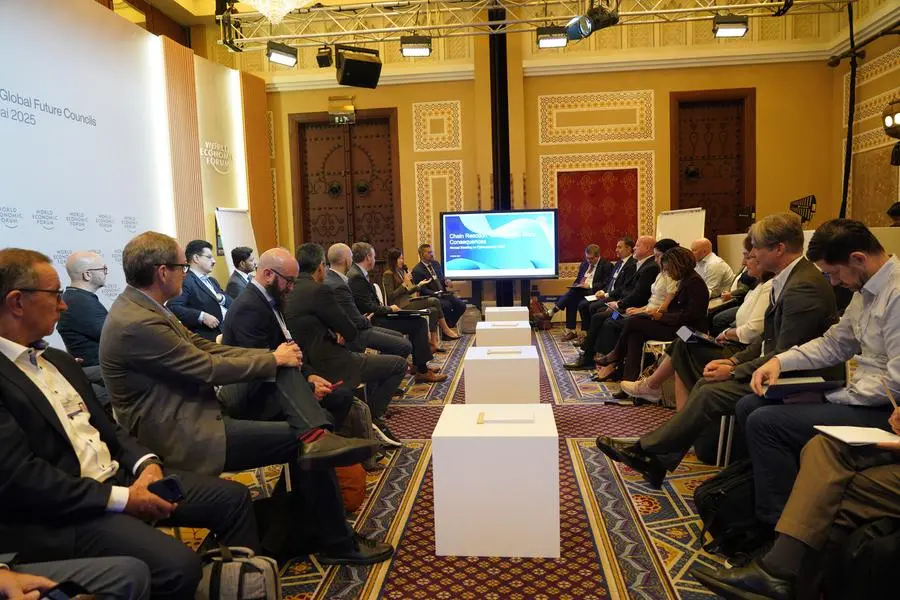
PHOTO
- Experts noted the need to address the connections between human and environmental security, and adopt new visions to enhance resource sustainability and societal adaptability.
- They examined the role of modern technology in improving government services and quality of life.
- Councils concluded it is necessary to rebuild international cooperation on humanitarian and development projects, in addition to developing a new model for aid.
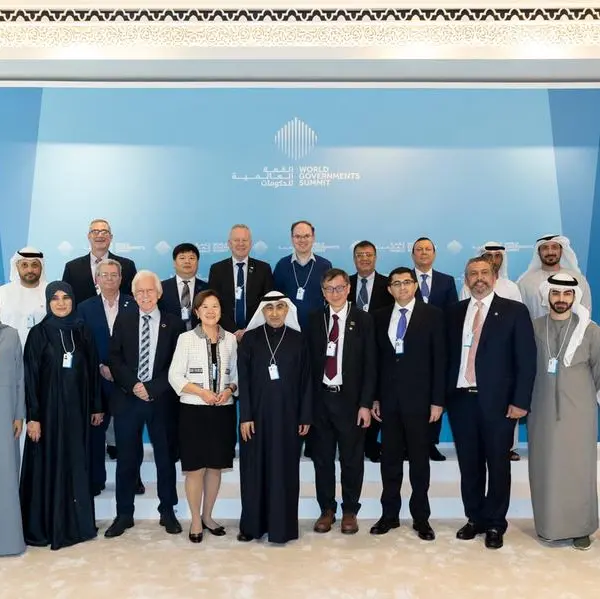
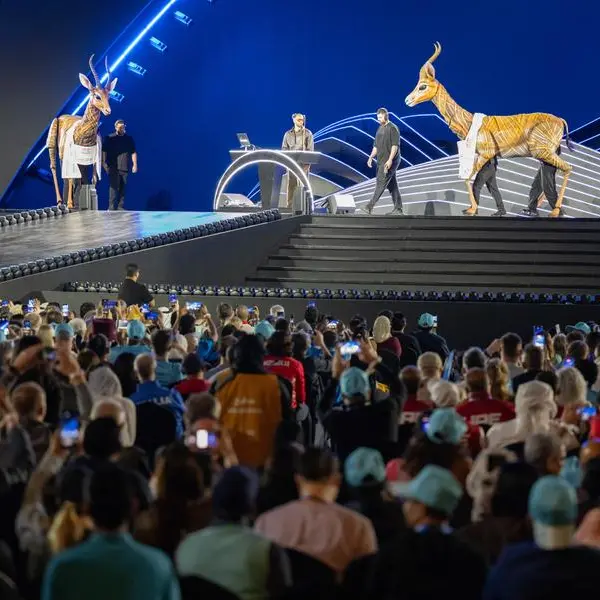
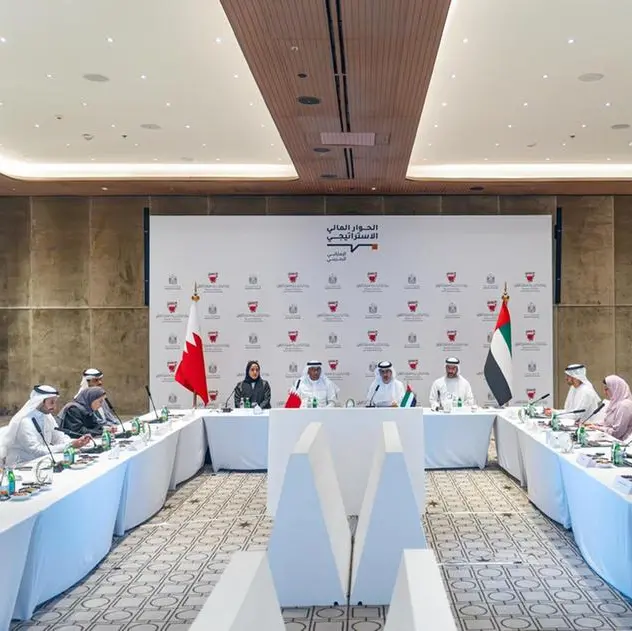
Dubai, UAE – Agile, just, and sustainable governance models are key to building a global system capable of achieving security and stability while navigating global developments, said international officials and experts participating in the Annual Meetings of the Global Future Councils 2025 in Dubai, organised by the UAE Government in partnership with the World Economic Forum (WEF).
Future-focused discussions held under the event’s Governance theme brought together leading specialists and decision makers from around the world to explore future shifts in governance, geopolitics, nature, security, leadership, and aid.
Transnational Challenges
Members of the Global Future Council on Geopolitics discussed the ongoing transformation of the global order, noting the importance of building an international cooperation framework capable of addressing transnational challenges and strengthening collective security through flexible partnerships between public and private sectors, alongside the international community.
Discussions highlighted the need to enhance joint action amid the world’s accelerating changes and growing instability in various regions, coupled with complex security challenges arising from climate, economic, and technological crises.
Responsible Leadership
The Global Future Council on Good Governance explored how the digital revolution and current geopolitical shifts are reshaping governance systems, underscoring the need to redefine governance frameworks to make them more flexible, transparent, and responsive to global developments.
Participants observed that responsible leadership and institutional ethics are the most vital pillars for ensuring business sustainability and strengthening trust in public and private institutions.
New Visions for Human and Environmental Security
The Global Future Council on Nature and Security addressed the impact of global environmental pressures caused by human activity on the stability of ecosystems. It underscored the fundamental connection between human and environmental security, highlighting the necessity for new strategies that combine environmental protection with the promotion of stability. This integrated approach would ensure the sustainability of natural resources and enhance the ability of communities to adapt to climate and political changes.
Digital Integration Across Government Systems
The Global Future Council on GovTech and Digital Public Infrastructure discussed the pivotal role of modern technologies in advancing government services and improving quality of life within communities. Council members highlighted the need to ensure privacy and data security, while promoting digital integration across government systems and expanding equitable access to technology. These factors are key drivers in building more efficient and responsive governments.
A New Model for Global Leadership
The Global Future Council on Leadership examined the growing global crisis of trust in institutions and leadership, highlighting the necessity of shaping a new model of leadership founded on integrity, human-centric communication, and positive influence.
Members explored tools to empower leaders to build bridges of trust and reduce divisions. In a world facing such a wide array of challenges, thoughtful leadership capable of forecasting the future and guiding change is essential.
A New Model for International Aid
Members of the Global Future Council on Reimagining Aid emphasised the importance of rebuilding the framework for international humanitarian and development cooperation, advocating for the creation of a new model of aid based on multilateral partnerships and innovative financing sources. This model aims to ensure sustainable support for vulnerable communities while fostering justice and solidarity on a global scale.
A Unified Platform for Future Makers
Bringing together over 700 experts from 93 countries, the Global Future Councils 2025 featured 37 Councils that cover six broad themes: Technology, Economy, Society, Environment, Governance, and Health. The Councils provided a unique international platform for dialogue and collaboration on strategies for shaping the future and driving advancement across vital sectors to enhance quality of life and create opportunities for generations to come.
The landmark initiative marks a significant milestone in the longstanding strategic partnership between the UAE Government and the World Economic Forum. Over the past 16 years, the collaboration has hosted more than 900 Global Future Councils, engaging over 12,000 officials, experts, and specialists, and tackling a broad range of issues critical to humanity’s present and future.