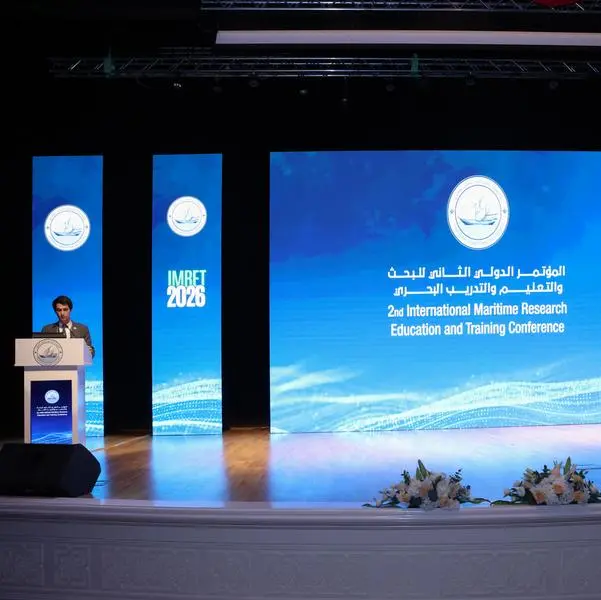
Highlights new advanced systems which have been recently incorporated to deal with medical complaints cases
Aim of workshop is to educate public and the medical sector about these systems.
Complaints to be classified as minor, moderate and major in order to ensure that swift action is taken.
United Arab Emirates, Dubai, 19 July, 2010: The Dubai Health Authority organised recently, for the first time, a workshop on medical negligence to educate the public and the medical sector about the new mechanisms to deal with medical complaints in the Emirate of Dubai.
The workshop which was held at the Rashid Medical Library Auditorium attracted more than 165 people from government hospitals, 19 private hospitals and health centres across the Emirate of Dubai.
Dr Layla Al Marzouqi, Head of Clinical Governance Office, DHA Health Regulation said, "The aim of the workshop is to highlight the rights of patients in the Emirate of Dubai in terms of filing a medical negligence and/or malpractice complaint with the DHA. Furthermore, we would like to inform the medical fraternity and the public about our advanced methods in dealing with medical negligence complaints to ensure transparency and fair judgement."
As per the new system, Dr Marzouqi highlighted that each case will be classified as minor, moderate or major case.
For minor cases, facilities will be involved and the DHA Health Regulation Department will give facilities 10 days time to resolve the issue before further action is taken. Facilities will have to coordinate with the health regulation office and inform them about the steps they intend to take to resolve the issue.
She mentioned this will ensure quick and effective decision-making.
In terms of minor cases, a peer review will be undertaken consisting of specialists who will provide their decision based on through investigation.
And for major cases, a committee will be formed to investigate the manner.
For all cases the DHA Health Regulation department requires that the facility, against which the complaint is filed, should provide a contact person. This is to ensure that the investigation committee or the peer review group gets immediate access to files, medical staff etc for investigating the case.
She mentioned that based on the findings and the severity of the case the DHA takes action such as issuing a warning notice to revoking the license of the medical practitioner.
Dr Marzoqui highlighted, "The committees and peer group reviews are unbiased groups and this process is crucial for transparency and fair judgement."
She mentioned that if the case is filed against a government hospital, then the investigating committee mainly consists of medical fraternity from the private sector and the DHA even ropes in specialists from the HAAD and MOH if required.
Committees and peer groups thoroughly examine the medical file as well as look into other aspects of the case such as testimonials from doctors and staff and other such details before presenting their decision.
She mentioned that the DHA Health Regulation Office also has an appeals process in place.
"Once the decision is given, the complainant has 15 days to file an appeal. The appeal is studied by a higher authority and then the decision is given to either accept or reject the appeal, depending on the merits of the case. If the appeal is accepted, another committee is formed to reinvestigate the case," said Dr Marzoqui.
She also highlighted that the DHA has a follow-up mechanism to ensure that such errors can be minimized and that the committee also gives recommendations for the same.
Dr Marzoqui highlighted that every patient and doctor has a right to complain if they are unsatisfied with the level of service provided and/or if they wish to file a complaint against the hospital or the medical practitioner.
She also mentioned details of the 2008-2009 medical complaints report.
In 2009, the DHA health regulation department received 51 cases against the private sector for medical negligence and/or malpractice. Of these 8 are still under investigation, 8 have been closed for reasons such as request of the complainant etc. Of the 35 cases investigated, 14 were found to be cases of medical negligence, one case was medical malpractice, 7 were cases of negligence and malpractice, and 13 were found to be neither negligence, nor malpractice
In 2009, the DHA received 18 complaints against public hospitals, of which 1 case is still under investigation, 3 complaints were closed as the complainant did not appear before the committee,
Of the remaining 14 cases investigated by the DHA, it was found that there was no negligence or malpractice in 6 cases, one case was found to be a malpractice case and negligence and malpractice in three cases and the remaining four cases were found to be negligence cases.
In 2008, the clinical governance office received 49 cases against the private sector, of which 17 were found to be medical negligence cases, one was a malpractice case, 7 cases were both malpractice and negligence and 24 cases were neither negligence nor malpractice.
16 cases were filed against the public sector hospitals in 2008, of which 4 were negligence, and 12 were neither negligence nor malpractice.
The Clinical Governance Office is located in Building 54, Dubai HealthCare City, alternatively complainants can contact the office through the DHA Toll Free No - 800 342 or log on to the website www.dha.gov.ae
-Ends-
Notes to editors:
The DHA:
The Dubai Health Authority (DHA) was created in June 2007, by Law 13 issued by His Highness Sheikh Mohammad Bin Rashid Al Maktoum, UAE Vice President, Prime Minister and Ruler of Dubai As the strategic health authority for the Emirate of Dubai, the DHA is empowered to set policies and strategies for health and to assure the application of those health policies and strategies. His Excellency Qadhi Saeed Al Murooshid is the Director General of the Dubai Health Authority (DHA).
The DHA's aim in Dubai is to provide an accessible, effective and integrated healthcare system, protect public health and improve the quality of life within the Emirate. This is a direct translation of the objectives of the Dubai Strategic Plan 2015 launched by His Highness Sheikh Mohammad Bin Rashid Al Maktoum. Keeping the strategic plan in mind, the DHA's mission is to ensure access to health services, maintain and improve the quality of these services, improve the health status of nationals, residents and visitors and oversee a dynamic, efficient and innovative health sector.
In addition to overseeing the health sector for the Emirate of Dubai, the DHA also focuses on providing services through DHA healthcare facilities including hospitals (Al Wasl, Dubai and Rashid), specialty centres (e.g. the Joslin Diabetes Center) and DHA primary health centres spread throughout the Emirate of Dubai.
The main pillars of service delivery at DHA health facilities are quality, efficiency, patients and staff. It is our aim to maintain and/or improve the quality and efficiency of DHA health services. An important aspect of the service delivery strategy is to focus on patients, their needs and satisfaction as well as as well as attract, retain, nurture and support outstanding staff.
For more information, please contact
Kamakshi Gupta
Communications Analyst
Institutional Marketing and Communications Department, DHA
Email: klgupta@dha.gov.ae
Tel: 009714- 2197455
© Press Release 2010